Lebanon on Monday marked the anniversary of Israel’s 2000 withdrawal from the south, with President Joseph Aoun and Prime Minister Nawaf Salam issuing statements on the occasion. The anniversary prompted renewed calls for full state sovereignty and a debate over Hezbollah's role in the nation's defense. President Joseph Aoun emphasized the need for national unity, stating that "those who liberated the south with their blood, soldiers and resistance fighters, deserve a strong and cohesive state with full sovereignty and legitimate institutions.” Prime Minister Nawaf Salam also stressed the importance of strengthening state institutions and extending their authority across all Lebanese territory, showing the ongoing challenges to full state control. The commemoration noted ongoing discussions in Lebanon regarding defense strategy and the armed factions operating outside state control, particularly Hezbollah.
National Demands for Sovereignty
Lebanese President Joseph Aoun stated that the nation rejects continued Israeli attacks and the occupation of southern villages, firmly asserting Lebanon's territorial integrity. Aoun stressed that full Israeli withdrawal remains a "fixed national demand to be achieved through negotiations without concession or surrender," reflecting a long-standing national objective. He also stated that those who "liberated the south with their blood, soldiers and resistance fighters, deserve a strong and cohesive state with full sovereignty and legitimate institutions,” thereby linking the sacrifices made during the liberation to the present-day imperative of a strong, unified state. This sentiment reinforces the idea that the efforts of both the Lebanese army and resistance groups should culminate in a fully empowered national government.
Prime Minister Nawaf Salam underlined that there would be "no celebration of Resistance and Liberation Day until Israel fully withdraws from Lebanese territory and displaced residents return home in safety and dignity." This statement notes the incomplete nature of the withdrawal from a Lebanese perspective, pointing to unresolved issues such as the return of displaced populations. Salam called for the occasion to serve as a day of solidarity with the families of “martyrs, the wounded, prisoners, displaced people, and residents remaining in southern frontline villages,” acknowledging the deep human cost and ongoing suffering caused by the conflict. Both leaders emphasized the importance of asserting Lebanon's full sovereignty over its territory, a central theme in their respective addresses. The persistent calls for the state to extend its authority over all Lebanese land show the challenges posed by non-state armed actors and the continued presence of Israeli forces in certain areas.
Hezbollah's Stance on Weapons
Hezbollah chief Naim Qassem rejected calls for the group to surrender its weapons, stating that such an action would compromise Lebanon's defense. During a televised speech marking the anniversary, Qassem asserted, "Disarming means removing Lebanon’s defensive power in preparation for annihilation, and this is something we cannot accept." He argued that Hezbollah’s military capabilities are essential for protecting the country against external threats. Qassem linked Hezbollah's maintained military capabilities to ongoing hostilities and broader US-Iran negotiations, suggesting that the group's disarmament cannot be considered in isolation from regional dynamics. He maintained that Hezbollah’s weapons would remain “until the Lebanese state is capable of carrying out its duties,” implying that the state currently lacks the capacity to fully defend itself. The group argues that continued Israeli attacks provide justification for maintaining its military capabilities, viewing its arsenal as a necessary deterrent. Qassem also stated that Hezbollah would confront anyone targeting it “just as we confront Israel,” signaling a firm stance against any attempts to disarm the group by force or political pressure. He connected any potential US-Iran agreement to a “full cessation of hostilities,” which would include Lebanon, suggesting that a full regional peace deal would be a prerequisite for any change in Hezbollah's military status.
International Perspectives and Conflict Context
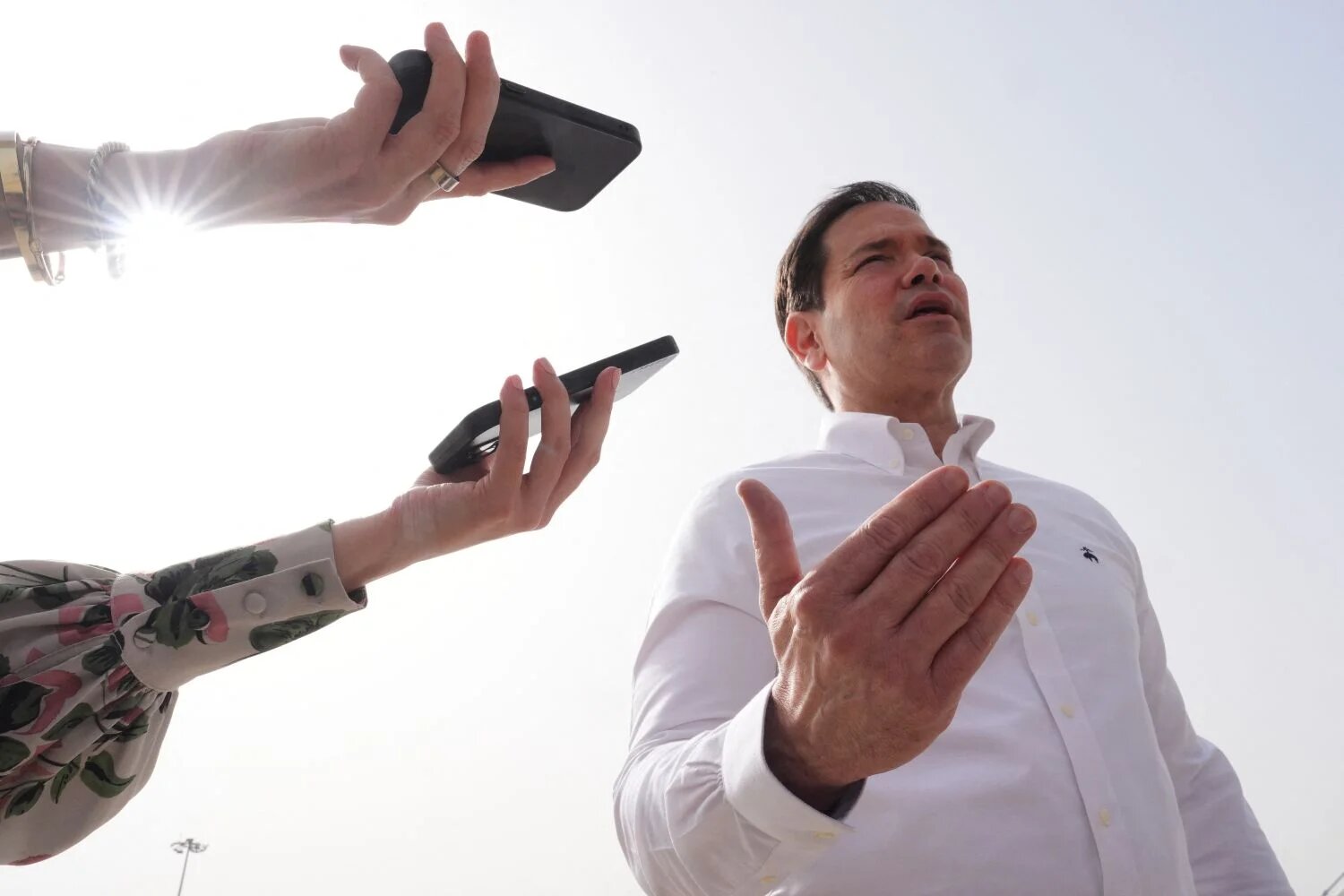
US Secretary of State Marco Rubio stated that Washington is dealing with Lebanon separately from US-Iran negotiations, indicating a distinct approach to the Lebanese situation. Rubio commented on the situation, asserting, "The problem is not Lebanon and Israel. The problem is Hezbollah… And as long as Lebanon exists with armaments, as long as an armed Hezbollah exists, it's going to be hard to achieve peace in Lebanon." This perspective diverges from some Lebanese figures who link regional stability to broader international agreements, noting a fundamental difference in how the conflict's root causes and solutions are perceived. The US stance emphasizes the internal dimension of Lebanon's security challenges, particularly the role of non-state actors.
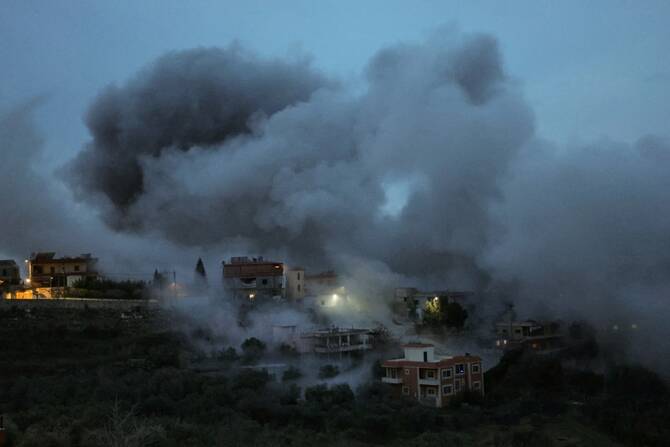
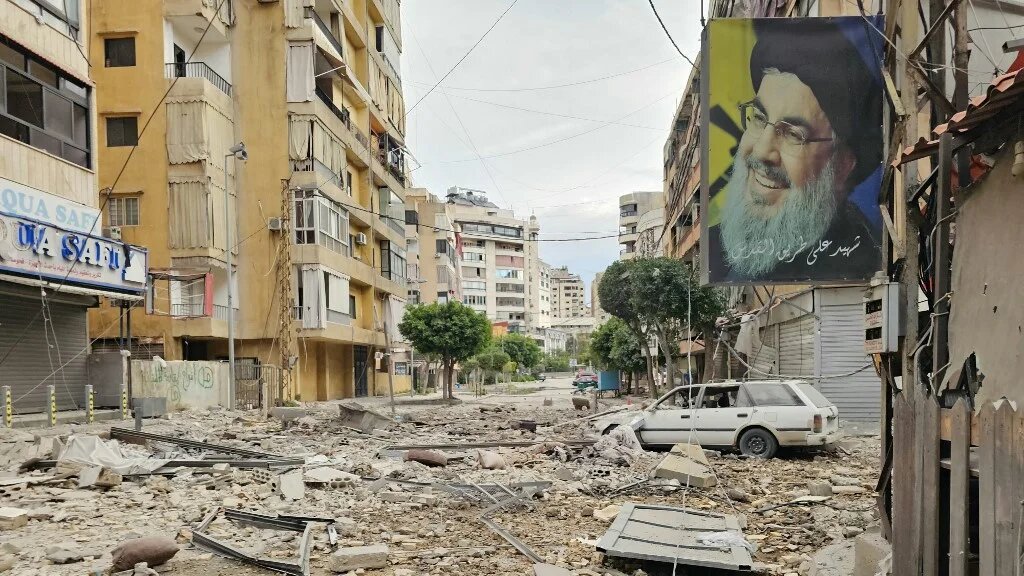
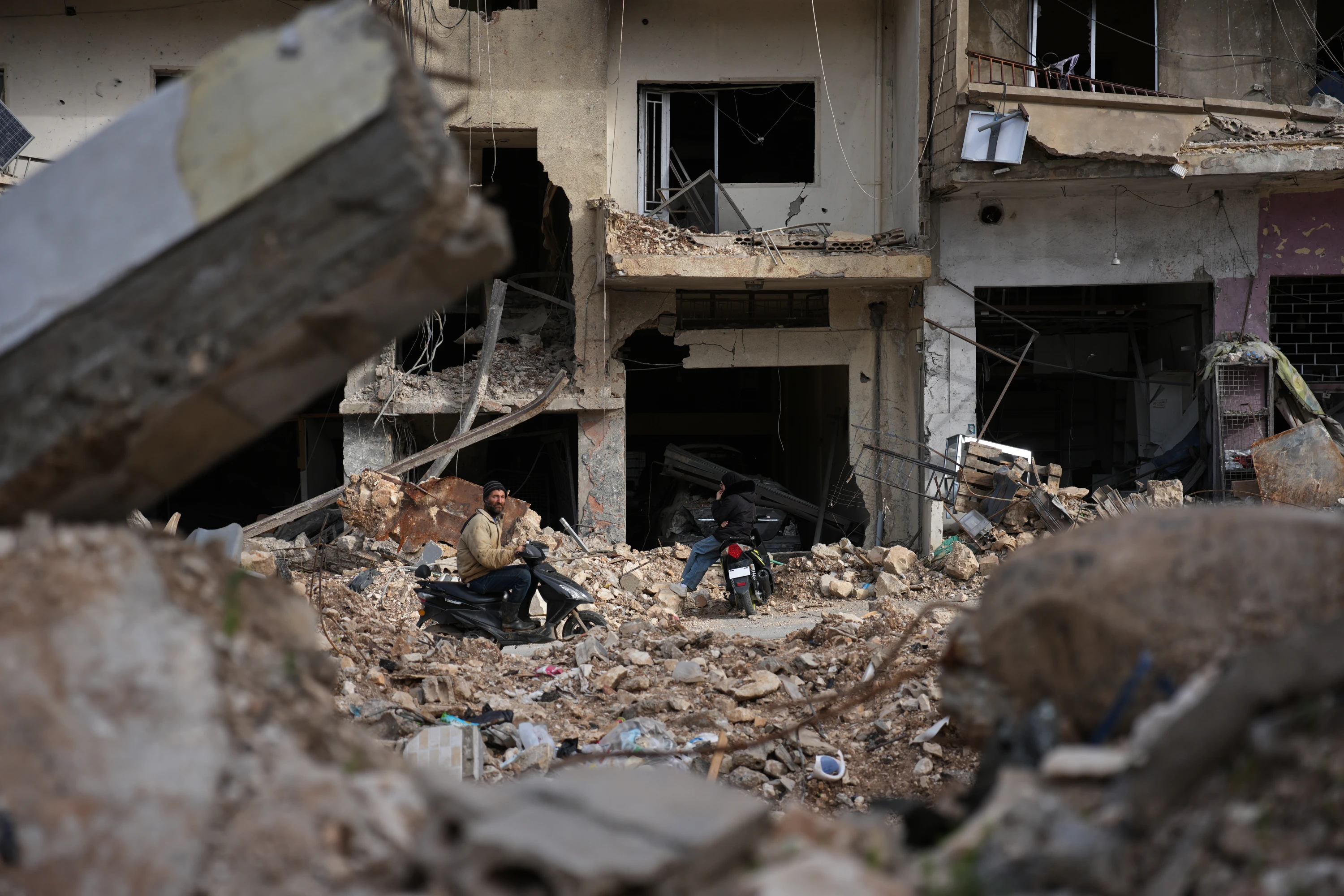
The United States has actively mediated efforts to de-escalate tensions along the border. In mid-May, Lebanon and Israel agreed to extend their ceasefire for another 45 days. This agreement followed US-mediated talks held in Washington, aiming to maintain a fragile calm along the border and prevent further escalation. The extension came amid ongoing hostilities that have significantly impacted the region, causing widespread displacement and loss of life. Since clashes between Hezbollah and Israel reignited on March 2, at least 3,151 people have been killed in Lebanon and 9,571 wounded, showing the severe human cost of the conflict and the urgent need for lasting stability. The continuous cycle of violence and the unresolved issues surrounding state sovereignty and armed groups remain central challenges for Lebanon.