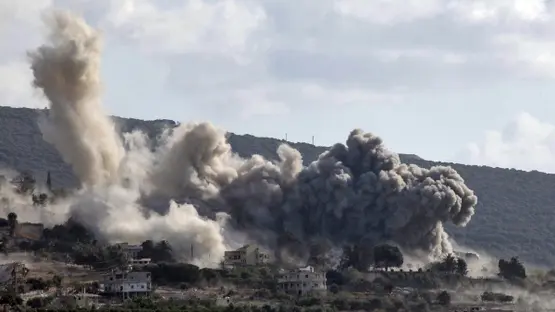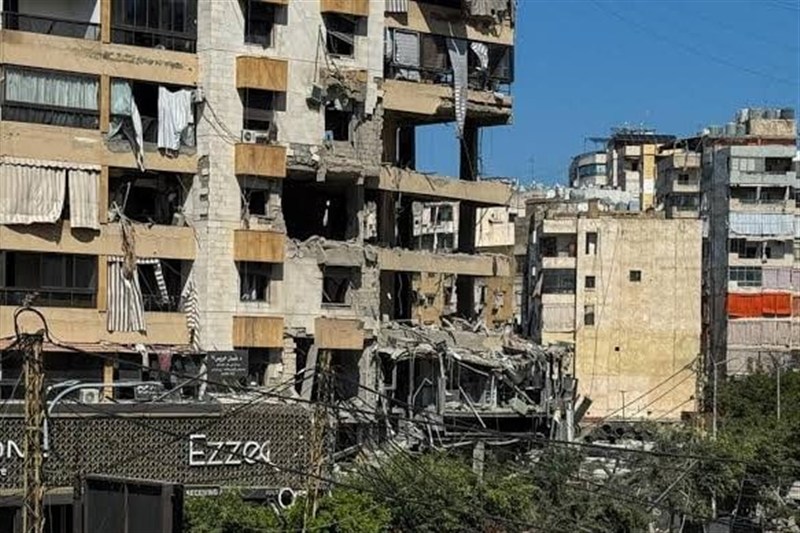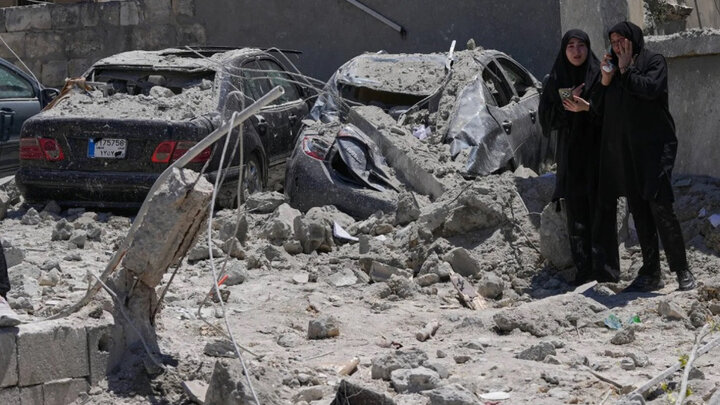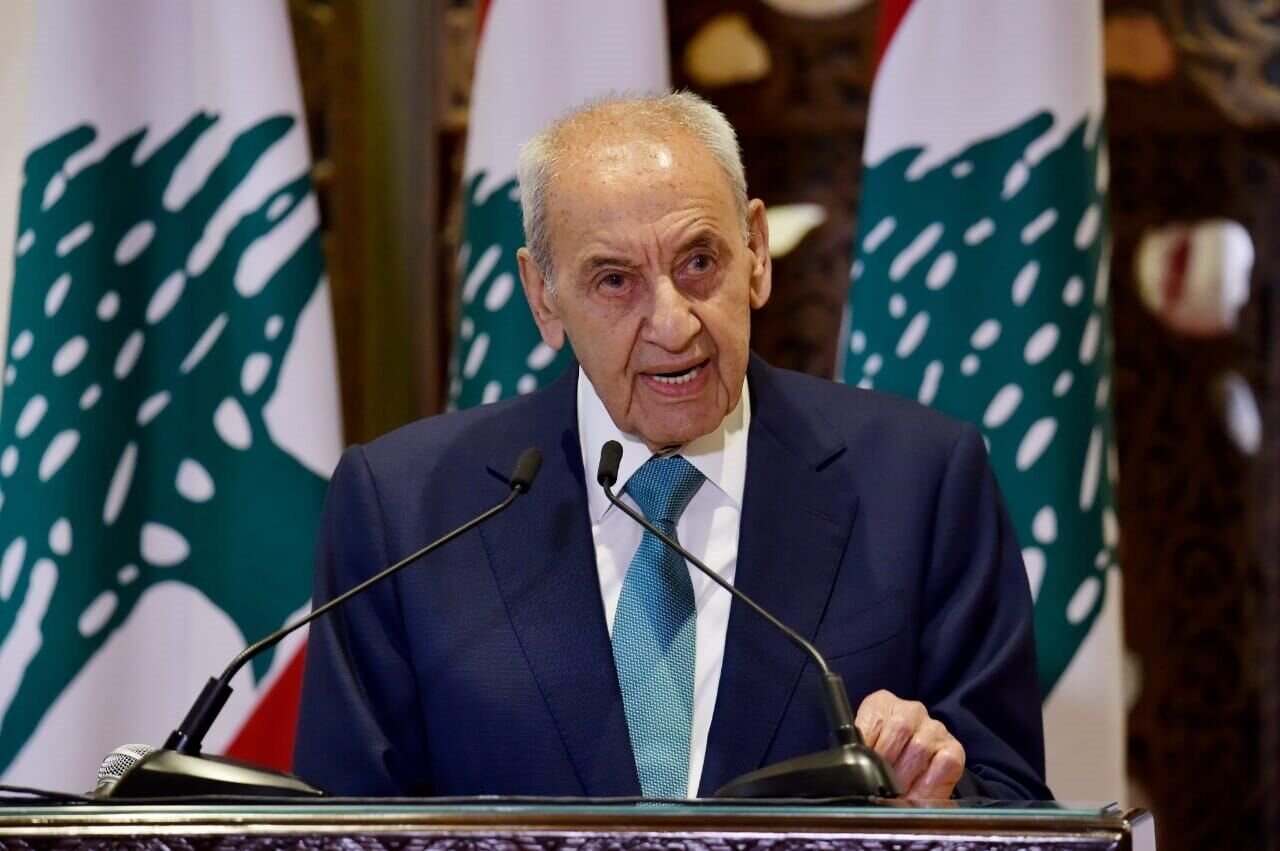
Nabih Berri, the Speaker of the Lebanese Parliament, has strongly condemned recent attacks by the "Zionist regime" in southern Lebanon, accusing Israel of transforming the region into a "field of killing." Berri stated that Israel is turning southern Lebanon and its people into a "ballot box with blood," emphasizing that these actions demonstrate the "Zionist regime" has not adhered to any ceasefire agreement. His condemnation specifically targeted what he described as the "crimes of the Zionist regime" in the south of Lebanon, noting the severe impact on the local population. "I emphasize once again that what has happened and continues to happen in the south is as much an international responsibility, requiring immediate intervention to stop the war against Lebanon and its south, as it is a national responsibility," Berri said.
Escalating Violence and Accusations
Speaker Nabih Berri asserted that Israel has not adhered to any ceasefire agreements in the region, a point he showed repeatedly in his remarks. He characterized recent actions as crimes of a terrorist nature, specifically citing the killing of civilians, including children and women, in southern Lebanon. These civilian casualties, Berri noted, represent a grave violation of humanitarian principles. Berri also noted the targeting of the Ministry of Finance building in Nabatiyeh as part of these alleged terrorist acts, pointing to the destruction of civilian infrastructure. These accusations show the Lebanese Parliament Speaker's ongoing condemnation of Israeli military operations and their impact on civilian populations and infrastructure in southern Lebanon, portraying them as deliberate acts of aggression.
Call for International and National Action
Speaker Nabih Berri emphasized that the ongoing situation in southern Lebanon constitutes an international responsibility, necessitating immediate intervention to halt the war against Lebanon and its southern regions. He stressed that the international community has a duty to act decisively to prevent further escalation and protect Lebanese sovereignty. Berri further declared the defense of the south as a national responsibility, urging all Lebanese parties to unite in solidarity with the area. He stressed that protecting southern Lebanon is equivalent to defending the entire nation, calling for a unified front against the perceived aggression. Berri’s statements show a dual appeal for both global diplomatic efforts and unified domestic action to address the escalating conflict and its impact on the region. His call notes the perceived urgency for external pressure and internal cohesion to safeguard Lebanese sovereignty and its civilian population, asserting that the defense of the south is intrinsically linked to the defense of Lebanon as a whole.
Broader Context and Implications
Lebanese Parliament Speaker Nabih Berri asserted that the "Zionist regime" has violated all established rules, agreements, and understandings in its actions within southern Lebanon. This sweeping accusation suggests a systematic disregard for international norms and diplomatic frameworks governing conflict. Berri’s statement showed a broad condemnation of Israel’s conduct, suggesting a disregard for international norms governing conflict. The Speaker further accused Israel of transforming southern Lebanon, its inhabitants, and their assets into a "ballot box with blood." This specific accusation links the ongoing military operations directly to Israel's forthcoming electoral race, implying that the violence serves as a means to gain political advantage domestically. Berri's remarks highlight a perception that the conflict is being exploited for internal political purposes, rather than being solely driven by security imperatives. His strong language reflects deep concern over the human cost and geopolitical implications of the sustained military activities in the region, portraying the actions as a calculated maneuver with devastating consequences for the Lebanese people and their property.