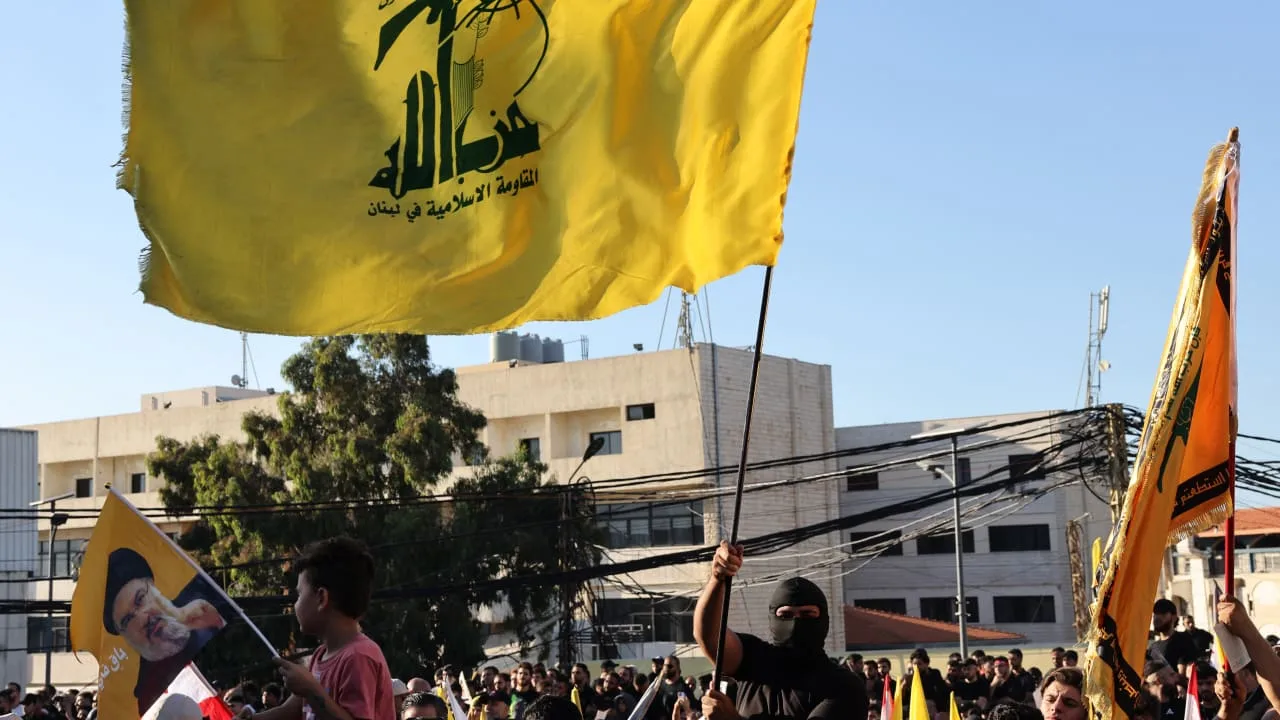
Lebanese forces seized 500 kilograms of explosives from a vehicle at a checkpoint in Dahr al-Baidar in the Bekaa Valley. The operation occurred in the week prior to 13 October 2026. Authorities intercepted the transport during a routine inspection at the site, which serves as a transit point between the capital and the eastern regions of Lebanon. Security personnel discovered the cache hidden within the vehicle before taking the materials into custody. The seizure remains under investigation by military officials to determine the origin and intended destination of the explosives. No further details regarding the individuals operating the vehicle have been released by Lebanese authorities at this stage.
Military Discoveries and Security Concerns
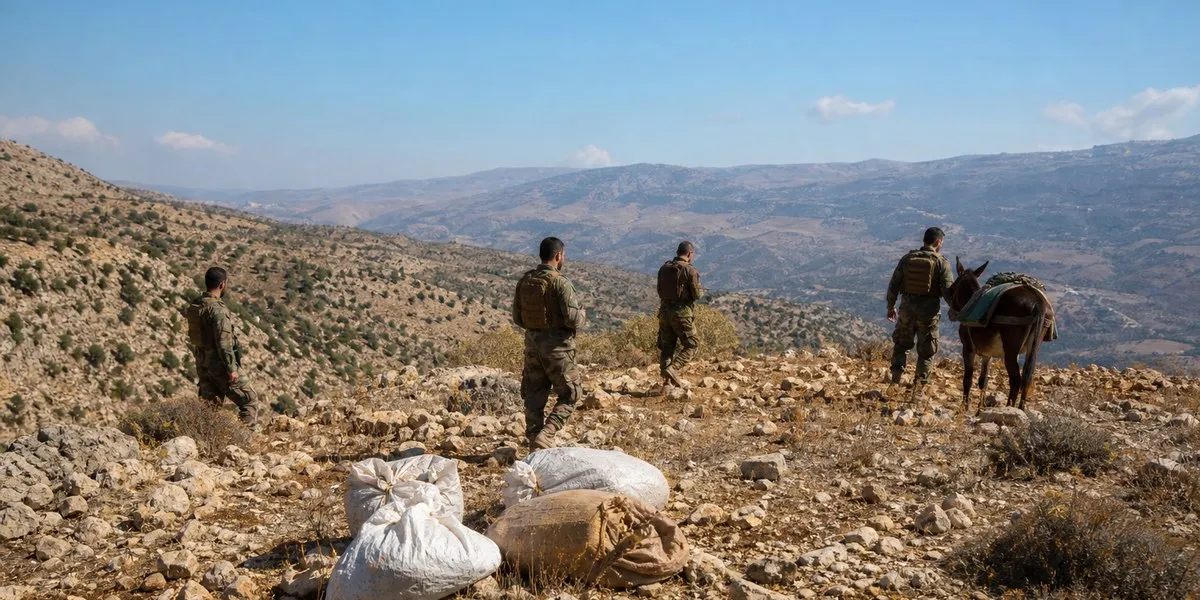
Lebanese security officials arrested two individuals linked to Hezbollah following the discovery of the 500-kilogram explosive cache. During the same week of 13 October 2026, the Lebanese Military located nearly 200 kilograms of additional explosives along the border between Lebanon and Syria.
Lebanese Justice Minister Adel Nassar addressed the security risks posed by these seizures. He stated, "the explosives were capable of blowing up an entire neighborhood, and merely storing them in a populated area is considered a crime and warrants prosecution." Minister Nassar added, "there are serious questions about whether these explosives are for internal use or to create new pretexts to plunge Lebanon into new wars."
Public figures drew parallels between these developments and the 14 February 2005 assassination of former Lebanese Prime Minister Rafic Hariri, who was killed by a truck bomb in Beirut. That attack resulted in 22 deaths and left over 200 people wounded. Lebanese MP Wadhah al-Sadiq expressed concern regarding the current security environment, noting, "Whoever wants to confront Israel does not smuggle explosives into Lebanese territory, nor turn Beirut into a destination for shipments of death…" He further asserted, "We will not accept that the security of the Lebanese remains hostage to Hezbollah’s weapons, nor that Beirut once again becomes an arena for assassinations, bombings, and settling scores under any pretext."
Financial activities associated with Hezbollah also faced scrutiny on 13 October 2026, when the group announced $14,000 in compensation funds for displaced individuals. Lebanese MP Fouad Makhzoumi criticized the distribution of these funds, stating, "Assisting our affected people is a national duty, but their suffering cannot serve as a cover for parallel financial systems or a pretext for circumventing Lebanese laws…" He argued that "There can be no sovereignty for a state that does not monopolize arms nor assert its authority over the movement of money. Nor can we accept a state within a state, neither militarily nor financially. Lebanon needs one state, one legitimate weapon, and a law applied to all without exception."
Hezbollah MP Ibrahim Mousawi dismissed concerns regarding the group's actions, saying there is "nothing to be ashamed or embarrassed about." Additionally, Hezbollah financier Madi Aqil observed, "If Hezbollah claims responsibility for this matter, it would be making clear to the Lebanese state that it does not accept the state’s decision."