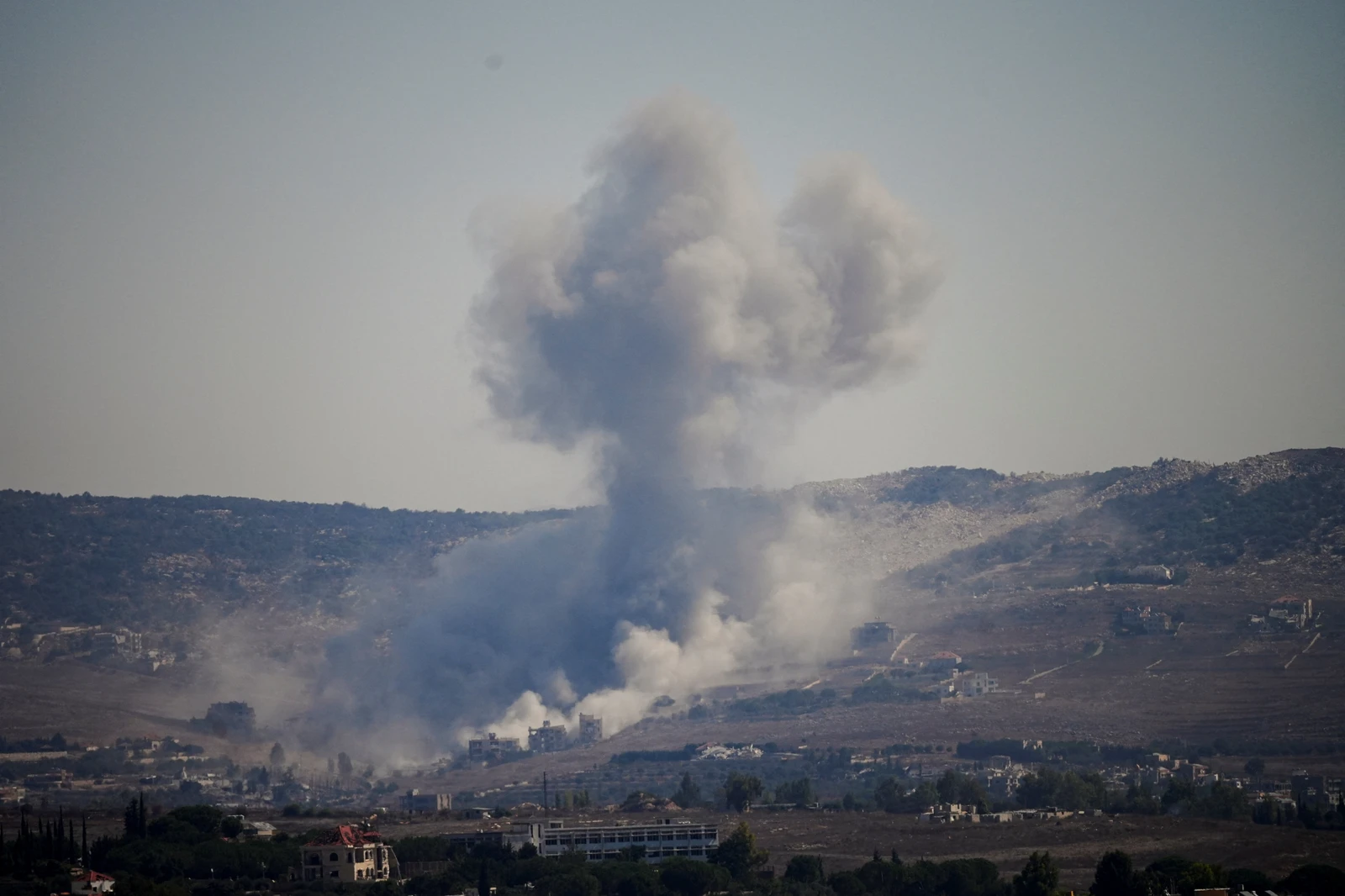
Israeli strikes on a southern Lebanese town killed at least 13 people, including six children, on Monday, Lebanon’s health ministry announced, intensifying fears of a broader conflict. The ministry specified that 12 individuals, comprising six children and three women, died in an attack on a residential building in the town, noting the devastating impact on civilian populations. This tragic incident occurred amidst mounting fears of a renewed Israeli military campaign in Lebanon, following days of escalating cross-border strikes. The Israeli military, for its part, stated it struck individuals seen transferring weapons in the area of Kfar Rumman, indicating their operational focus. In a separate incident on the same day, a drone strike on a civilian vehicle in the town killed one medic, according to the health ministry, further showing the dangers faced by non-combatants and essential service providers. The cumulative death toll from these incidents has significantly intensified concerns over further escalation in the volatile border region.
Escalating Violence and Civilian Toll
The human cost of the recent violence has been stark. Eight-year-old Mustafa Farhat, for instance, tragically lost his grandparents and his mother in the Monday strike, according to accounts from local residents. This personal tragedy reflects the wider devastation impacting families in southern Lebanon.
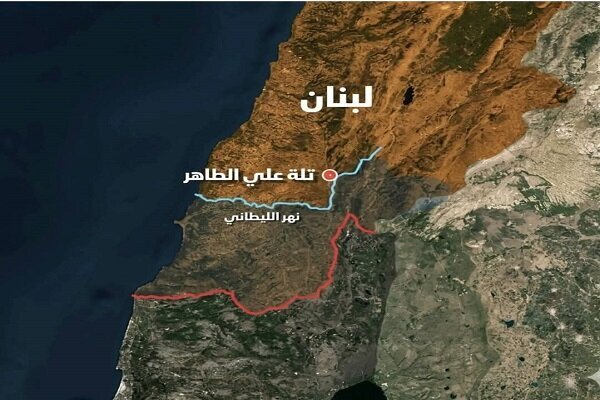
The preceding days also saw significant casualties. On Sunday, Lebanon’s health ministry reported that at least 11 people were killed in Israeli strikes on three towns near the Ali Al-Taher ridge. Among the dead were two women, killed in strikes on the town of Arab Salim, showing the indiscriminate nature of some of the attacks. Israeli strikes on Sunday also resulted in the destruction of the Ghandour hospital in the town of Nabatieh Al-Fawqa, a critical piece of medical infrastructure in the region. Four other people, including a woman, were killed on Friday, demonstrating a continuous pattern of civilian casualties.
The cumulative toll of civilian casualties from the ongoing conflict has been significant and deeply concerning. According to Lebanon’s health ministry, the dead include more than 250 children, nearly 400 women, and over 130 medics. These figures highlight the widespread and tragic impact of the strikes on non-combatants and essential service providers who are key for the well-being of the affected communities. The repeated targeting of residential areas and critical infrastructure has drawn widespread condemnation and intensified calls for de-escalation from international bodies and humanitarian organizations, who warn of a deepening humanitarian crisis.
Context of Ceasefire and Retaliation
These recent escalations occur despite a June ceasefire agreement that was intended to halt fighting between the Israeli military and the Lebanese armed group Hezbollah. The agreement aimed to de-escalate tensions that have intensified along the border region since the initial outbreak of hostilities. However, adherence to this agreement appears to be increasingly tenuous.
The Israeli military reported that Hezbollah had launched two explosive drones overnight, preceding the Israeli strikes. These drones were directed toward Israeli troops operating near the Ali Al-Taher ridge, according to the military, suggesting a retaliatory cycle of violence. This alleged drone launch occurred despite the established ceasefire, indicating a breakdown in the agreed-upon cessation of hostilities and raising questions about the future of the fragile peace. Such actions from both sides contribute to the cycle of violence and make de-escalation efforts more challenging.
Broader Impact and Human Cost
Israeli strikes on Lebanon have resulted in the deaths of more than 4,300 people since Hezbollah launched rockets at Israel on March 2. This staggering cumulative death toll shows the significant human cost of the ongoing conflict in the region, which has now spanned several months. The sustained military actions have resulted in a high number of fatalities across various communities, leaving a trail of destruction and grief.
The health ministry further reported that two other medics were wounded in the strike that killed one medic in a civilian vehicle on Monday. This incident adds to the growing number of casualties among healthcare professionals operating in southern Lebanon, who are often on the front lines providing aid in dangerous conditions. The targeting of civilian vehicles and the injury of non-combatants have been a consistent feature of the recent escalation, contributing to the broader humanitarian impact and exacerbating the suffering of the local population. The continued violence threatens to plunge the region into a deeper and more protracted conflict, with devastating consequences for all involved.