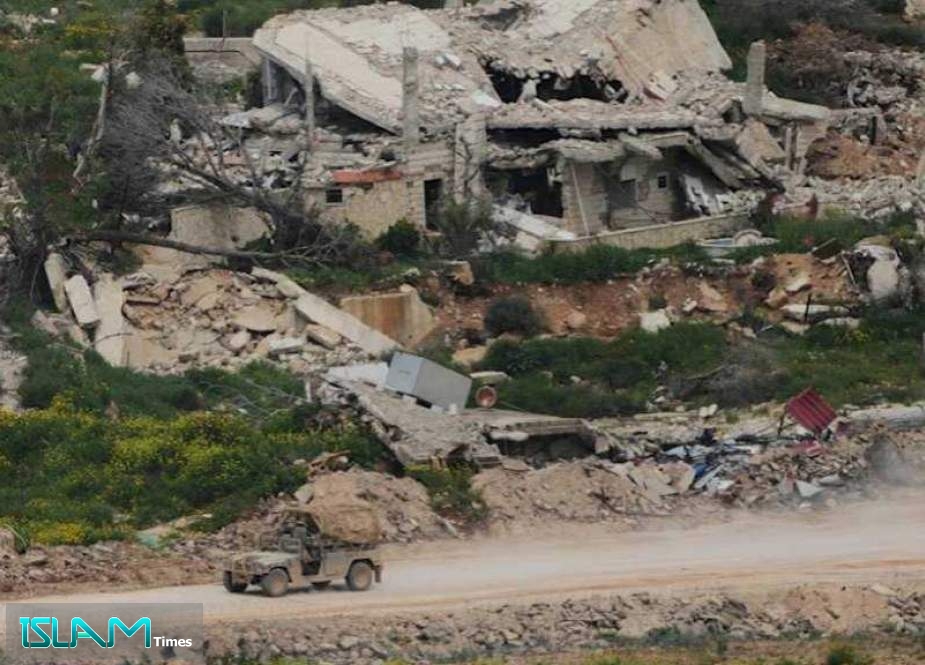
The Israeli Health Ministry reported 612 Israelis injured in the northern front with Lebanon since the latest round of aggression began. This figure comes amid reports of escalating tensions and military preparations following recent incidents. The sustained cross-border exchanges have led to a significant increase in casualties, reflecting the volatile nature of the region. On one occasion, a rocket and missile warning siren sounded in the Western Galilee, specifically in the moshav of Netua, at 2:07 a.m. Just over two hours after a Lebanon ceasefire took effect. This particular incident noted the fragility of any temporary calm and the persistent threat faced by northern communities.
Earlier, sirens had sounded in Nahariya and several nearby communities, including Evron, Liman, Shlomi, and Gesher HaZiv, with sirens again sounding in Nahariya and surrounding areas minutes before the Netua alert. The repeated activation of warning systems shows the widespread nature of the threat. The IDF said that after fire toward Nahariya and Karmiel, the military is preparing for a possible expansion of attacks from Lebanon, with northern Israel as the focus. This preparation involves assessing potential targets and bolstering defensive capabilities in anticipation of further aggression. Israel’s Magen David Adom (MDA) emergency service teams were dispatched to scan impact sites in Karmiel and Majd al-Krum. Medics there reported treating several people wounded in a strike following fire from Lebanon, including a man in his mid-20s and a 17-year-old girl who were seriously wounded near Karmiel. Teams worked to evacuate the seriously wounded man to a hospital while also treating several individuals for acute anxiety. The swift response of emergency services is key in mitigating the immediate impact of such attacks. The man seriously wounded near Karmiel is believed to have been riding a motorcycle at the time of the incident, adding a layer of detail to the circumstances of the injury.
Ongoing Border Clashes
Confrontations persist along the southern Lebanese border, where the Islamic resistance continues to carry out operations targeting Israeli troops, vehicles, and military positions. These ongoing clashes demonstrate the sustained nature of the conflict despite ceasefire attempts. The escalation has resulted in civilian casualties in Lebanon, with reports of deaths and injuries, noting the devastating human cost on both sides of the border. Lebanese state media, citing Reuters, reported that the Israel Defense Forces (IDF) continued artillery fire in southern Lebanon even after a ceasefire came into force. This claim suggests a breakdown in adherence to agreed-upon cessation of hostilities, further exacerbating tensions.
In Israel, Magen David Adom (MDA) reported a person moderately wounded at an impact site in Nahariya following the latest barrage from Lebanon. This injury adds to the growing count of casualties in the northern region. Vehicles were also observed to have caught fire at one of the impact scenes in Nahariya, indicating significant material damage alongside personal injuries. These events occurred on Thursday, April 30, 2026, at 10:18, providing a precise timestamp for the incidents. The persistent attacks and retaliatory actions create a cycle of violence that continues to impact civilian populations and infrastructure. The tactical operations carried out by the Islamic resistance, targeting specific military assets, contribute to the ongoing instability. The IDF's response, including artillery fire, reflects the military's efforts to counter these threats, but also raises concerns about potential escalation and civilian impact. The situation along the border remains highly volatile, with both sides engaged in active military operations.
Military Manpower Crisis Deepens
The Israeli occupation is reportedly confronting a deepening manpower crisis within its military ranks. This challenge has evolved from a simple numerical shortage into a structural issue, impacting the military's combat readiness and its capacity to sustain operations on multiple fronts. The shift from a mere shortage to a more fundamental structural problem indicates a more profound challenge to the military's long-term operational capabilities. This structural challenge affects the military's ability to deploy and maintain forces across various operational theaters, including the northern front with Lebanon and other areas of engagement.
Chief of Staff Eyal Zamir has reportedly warned of an approaching "internal collapse" within the military. This stark warning from a high-ranking official shows the severity of the situation. Zamir presented what he described as "ten red flags" to the security cabinet during the ongoing war, showing critical deficiencies. These "red flags" likely detail specific areas of concern, such as recruitment shortfalls, retention issues, and the strain on existing personnel. He has called for urgent legislative measures to address these issues, specifically targeting conscription policies, the management of reserve forces, and the extension of mandatory service. The proposed legislative changes aim to provide a more sustainable framework for military personnel. The structural nature of the crisis suggests that current operational demands are straining the military's ability to maintain its forces effectively across various theaters. Efforts to resolve these issues are now focused on legislative changes to reinforce the military's long-term sustainability and operational capacity. The need for legislative intervention notes that the problem requires systemic solutions beyond immediate operational adjustments. The impact of the manpower crisis extends beyond mere numbers, affecting morale, training, and the overall effectiveness of military units. The strain on both active and reserve forces is a significant concern for military planners and policymakers.
Context and Future Outlook
The reported injury figures emerged following the announcement of a ceasefire with Iran earlier this month, providing a broader context to the ongoing tensions. This ceasefire, while potentially reducing one front of conflict, has not alleviated the pressures on the northern border. A total of 8,513 injuries have been recorded since the launch of “Operation Roar of the Lion” through Wednesday, according to official data. This cumulative figure illustrates the extensive human cost of the wider conflict. Within the past 24 hours, 16 new cases were reported, indicating a continuing, albeit fluctuating, rate of casualties. Despite the recent events, the Israeli military stated there is no change at this time in Home Front Command guidelines. This suggests that while tensions are high, authorities are not yet advising significant alterations to civilian routines, perhaps to avoid panic or to maintain a semblance of normalcy. The man seriously wounded near Karmiel during a recent strike is believed to have been riding a motorcycle at the time of the incident, providing a specific detail about the circumstances of one of the casualties. The overall situation remains precarious, with military and political leaders closely monitoring developments on all fronts. The interplay between regional ceasefires and localized conflicts continues to shape the security landscape.