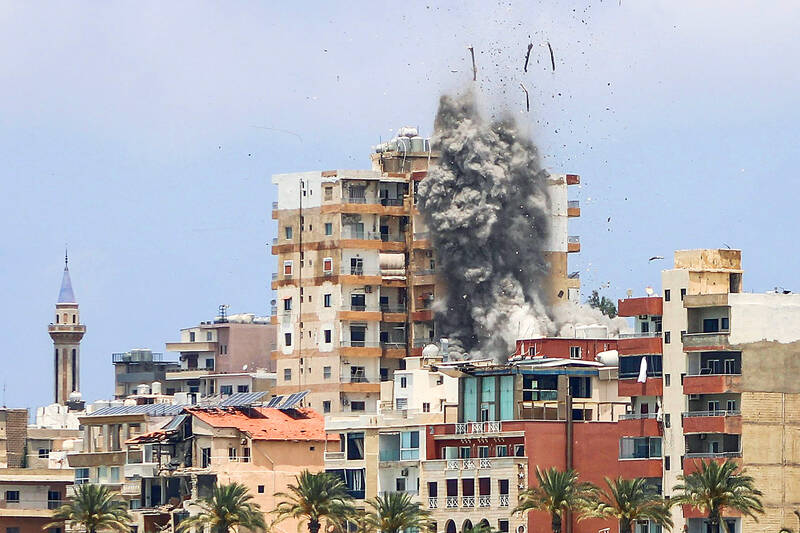
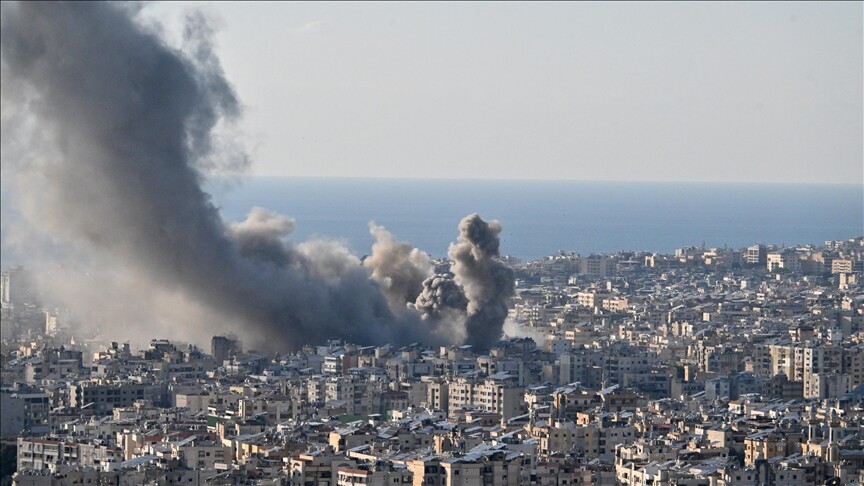
Two people were killed in an Israeli strike that targeted two cars in the southern Lebanese city of Sidon, Lebanese media reported on Saturday. The incident occurred in the morning hours, according to the Associated Press. Reports from Lebanese media outlets widely circulated the news, confirming the fatalities in what they described as an Israeli operation. The strike has immediately drawn significant attention, given its location deep within Lebanese territory, away from the immediate border area where most cross-border incidents have occurred. This latest development adds another layer of complexity to the already volatile security situation in the region.
Deadly Strike Details
Lebanon's state-run National News Agency reported that the drone strike specifically targeted a car. The agency indicated that two individuals were inside the vehicle at the time of the impact, confirming the initial reports of two fatalities. The incident unfolded in the southern Lebanese city of Sidon, a significant urban center located approximately 40 kilometers (25 miles) north of the Israeli border. The National News Agency, a primary source of official information in Lebanon, stated unequivocally that the drone strike hit a car containing the two victims. Further details regarding the identities of the victims or the precise location within Sidon were not immediately available from the agency, and investigations are ongoing to ascertain these specifics. The strike marks another instance of cross-border activity in the region, drawing attention to the ongoing tensions and the broadening scope of such incidents. Authorities in Lebanon are actively investigating the circumstances surrounding the event, including the identities of those killed and the exact nature of the target. The precision of the strike, reportedly by a drone, suggests a targeted operation rather than indiscriminate shelling.
100 Days of Conflict
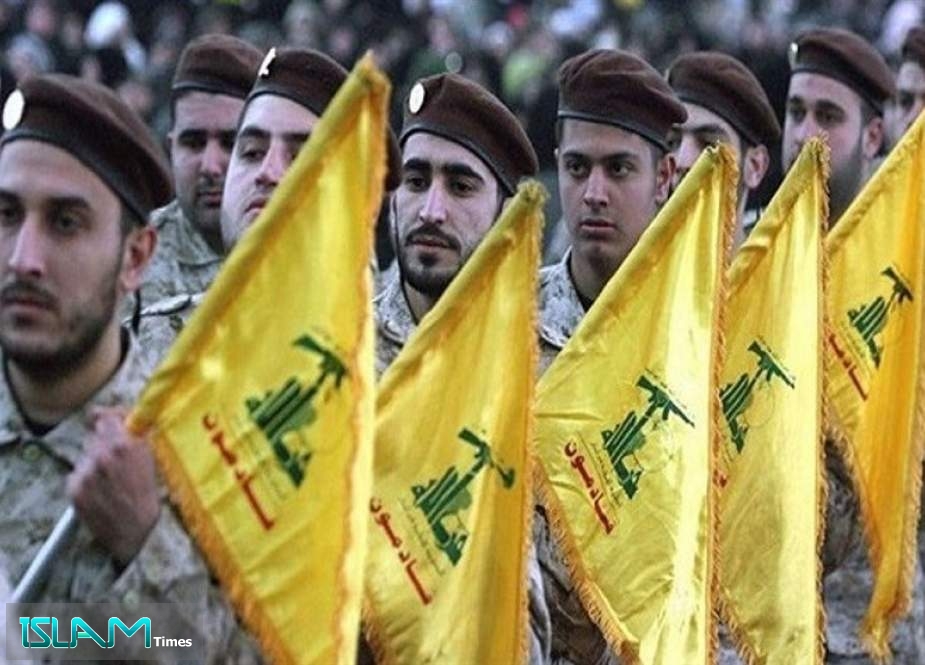
Tuesday marked 100 days since the beginning of Israel's conflict with Lebanon. The ongoing hostilities have seen regular exchanges of fire across the border, primarily involving Israeli forces and Hezbollah, a Lebanese political party and militant group. These incidents have resulted in casualties on both sides and significant displacement of populations in border communities, forcing thousands to flee their homes for safety. The conflict has escalated intermittently, raising concerns among international observers about a broader regional confrontation that could destabilize the Middle East further. International efforts have sought de-escalation, with various diplomatic initiatives aimed at preventing an all-out war, though a lasting ceasefire remains elusive. The protracted nature of the conflict continues to impact civilian life and infrastructure in southern Lebanon and northern Israel, disrupting daily routines and causing economic hardship. This 100-day milestone shows the persistent tensions in the region, noting the severe human cost and the constant threat of escalation. The recent strike in Sidon adds to the complex security situation, demonstrating that the conflict's reach is not confined to the immediate border zones. The absence of a clear resolution mechanism has perpetuated an environment of instability, leaving communities on edge.
Ongoing Tensions
The recent drone strike in Sidon shows the sustained volatility in the region, demonstrating that the conflict's geographical scope can extend beyond the immediate border. Cross-border clashes between Israeli forces and militant groups, particularly Hezbollah, have been a persistent feature of the situation since the conflict began. This pattern of confrontation has led to civilian casualties and displacement on both sides of the border between Lebanon and Israel, creating a humanitarian crisis in affected areas. International bodies have consistently called for de-escalation to prevent a wider regional conflict, urging all parties to exercise restraint and adhere to international law. Despite these calls, the security landscape remains precarious, with incidents like the Sidon strike noting the ongoing risks and the potential for rapid escalation. The protracted nature of these hostilities continues to affect communities and infrastructure in southern Lebanon and northern Israel, fostering an atmosphere of uncertainty and fear. The international community remains watchful, emphasizing the urgent need for a diplomatic solution to avert further tragedy and widespread conflict.