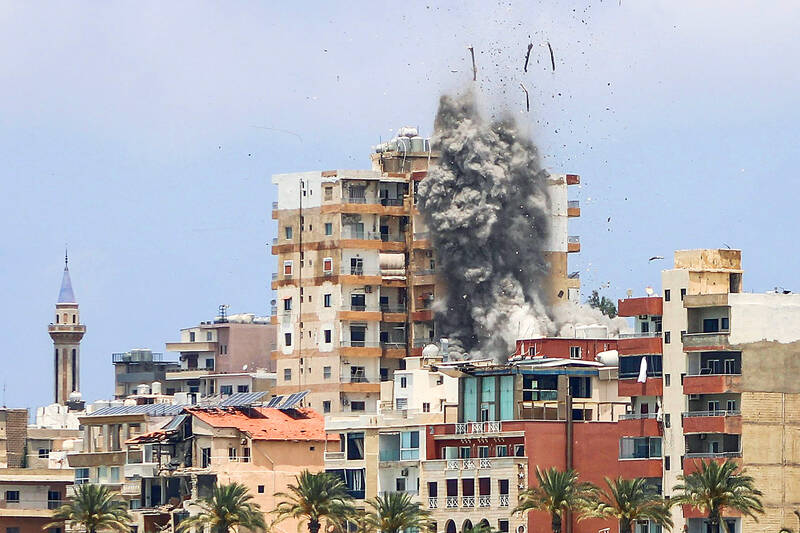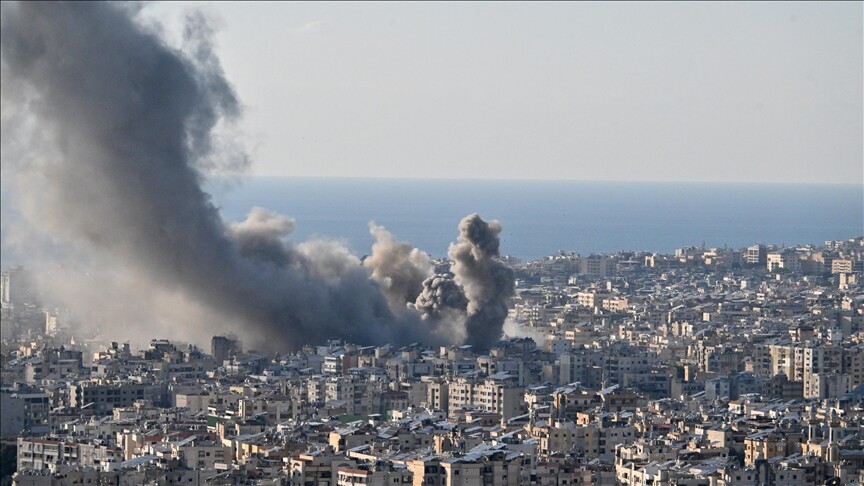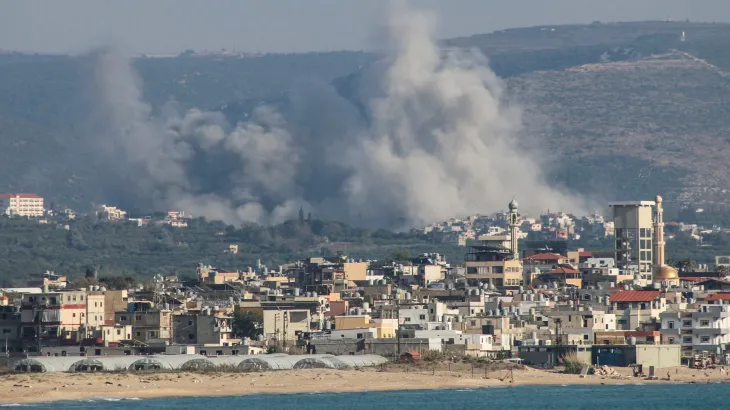
Israeli air strikes have killed at least 16 people in Tyre and its surrounding areas in southern Lebanon, according to Lebanon’s state-run National News Agency (NNA). The strikes targeted multiple locations, including Tayr Debba, Deir Qanoun en-Nahr, and Deir ez-Zahrani, all situated within the Tyre district. The NNA reported the fatalities occurred across these southern Lebanese communities following the Israeli military actions. These recent events show the escalating tensions and ongoing conflict in the region, drawing international attention to the humanitarian impact.
Deadly Strikes Hit Southern Lebanon
The Israeli air strikes on southern Lebanon have resulted in significant casualties and damage. Nine people were killed in an Israeli air strike on the village of Tayr Debba, a community located in the Tyre district. A separate strike on the municipality of Deir Qanoun en-Nahr resulted in the deaths of three individuals, further contributing to the rising death toll. Additionally, at least one person was killed in an air strike that struck the city of Tyre itself, a major urban center in southern Lebanon. These incidents highlight the widespread nature of the attacks across various residential and civilian areas.
On Wednesday evening, an Israeli warplane raided the village of Deir ez-Zahrani, specifically targeting both a mosque and a clinic. The attack on Deir ez-Zahrani killed at least three people, according to Lebanon's state-run National News Agency (NNA), devastating critical community infrastructure. The strikes collectively contributed to the fatalities reported across these southern Lebanese communities, bringing the total reported by the NNA to at least 16 individuals killed in the Tyre and surrounding areas. The intensity and frequency of these strikes have raised serious concerns about civilian safety and adherence to international humanitarian law.
UN Investigators to Assess Violations
In response to the escalating violence, United Nations human rights chief Volker Turk announced that a team of investigators is scheduled for deployment to Lebanon next week. The mission aims to assess potential violations of international law by all parties involved in the ongoing hostilities, indicating a broad scope of inquiry. Turk stated, "It’s the first time that we are sending this assessment mission, and the idea is indeed to look at violations by all parties – violations of international law, violations of international human rights law, and to document this, and eventually to report back to you on our findings." This initiative reflects the international community's growing concern over the conflict's trajectory and its impact on human rights. The deployment of UN investigators shows the gravity of the situation and the urgent need for accountability and adherence to international norms.
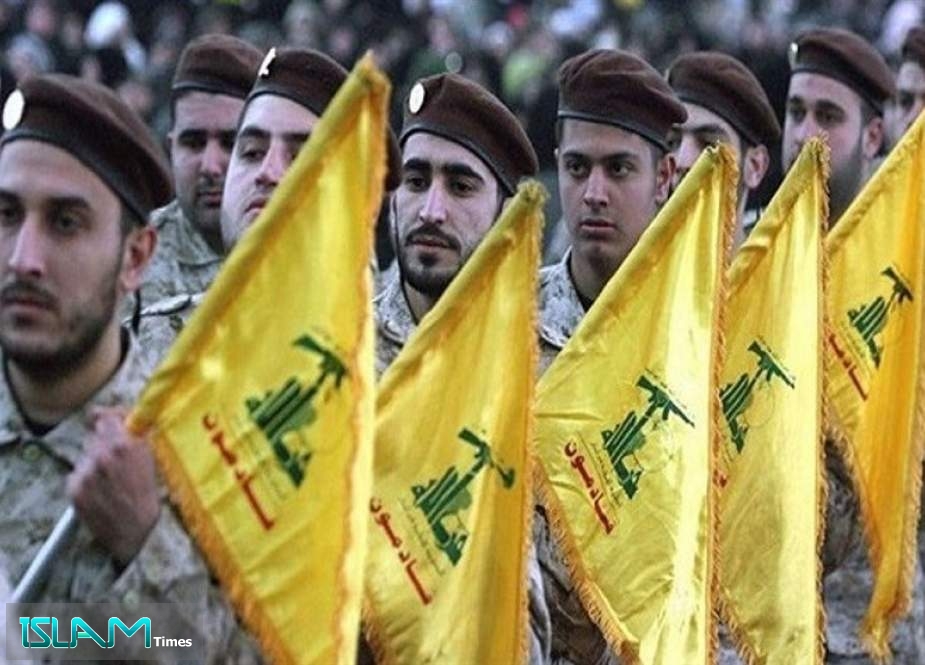
Lebanon became entangled in the United States-Israel war on Iran in March, after Hezbollah launched rockets at Israel. Hezbollah cited near-daily Israeli strikes on Lebanon and the killing of Iran’s Supreme Leader Ali Khamenei as reasons for its actions, indicating a complex web of motivations behind the military engagements. The conflict has seen a significant increase in cross-border exchanges, impacting civilian populations on both sides.
Broader Conflict Context
In early May, Lebanon’s Prime Minister Nawaf Salam told a regular cabinet meeting that it was important to continue documenting potential crimes and to submit them to the UN, according to Lebanese Information Minister Paul Morcos. This statement emphasizes the Lebanese government’s commitment to seeking justice and holding perpetrators accountable through international mechanisms. The systematic documentation of incidents is seen as a key step in building a case for international legal action.
On the Israeli side, the military has reported that 29 soldiers and one civilian contractor have been killed in Lebanon, illustrating the human cost of the conflict for Israel. Meanwhile, Lebanon’s Ministry of Health states that Israeli attacks across the country have resulted in at least 3,696 deaths and 11,413 injuries since March 2, painting a stark picture of the devastating impact on the Lebanese population. These figures highlight the severe humanitarian crisis unfolding in Lebanon as a direct consequence of the ongoing hostilities. The disparity in reported casualties shows the asymmetric nature of the conflict and the extensive toll on Lebanese civilians. The continuous cycle of violence raises alarms for regional stability and humanitarian organizations.