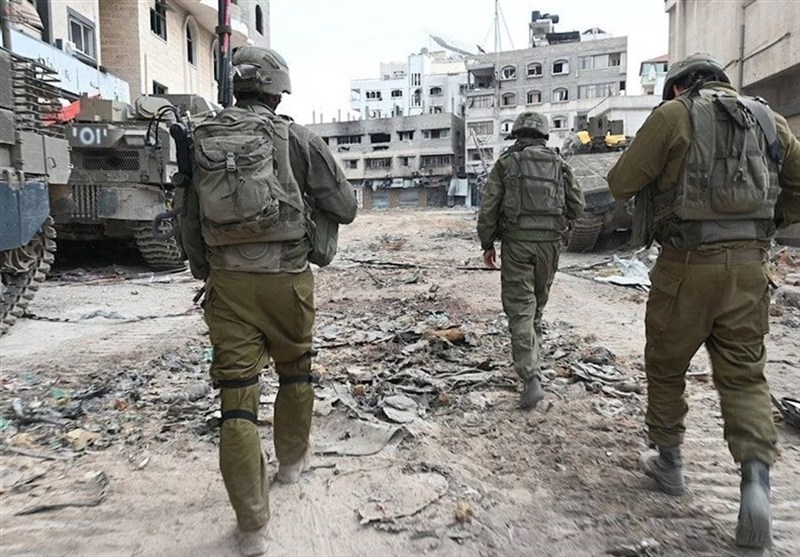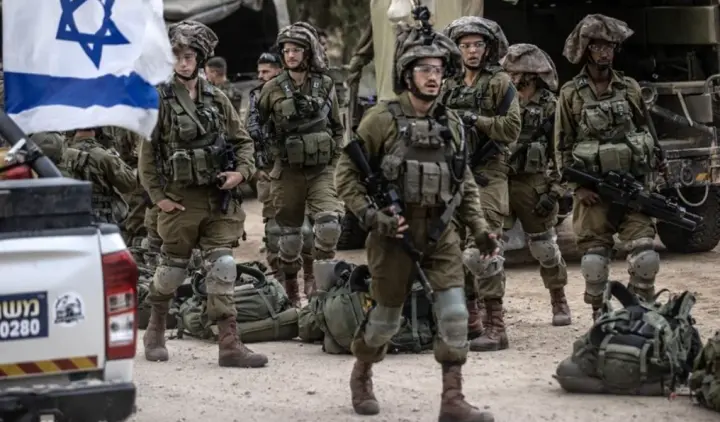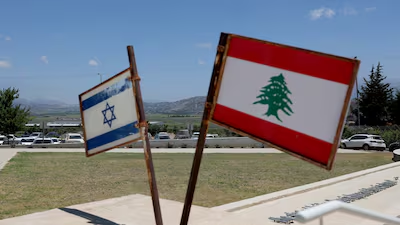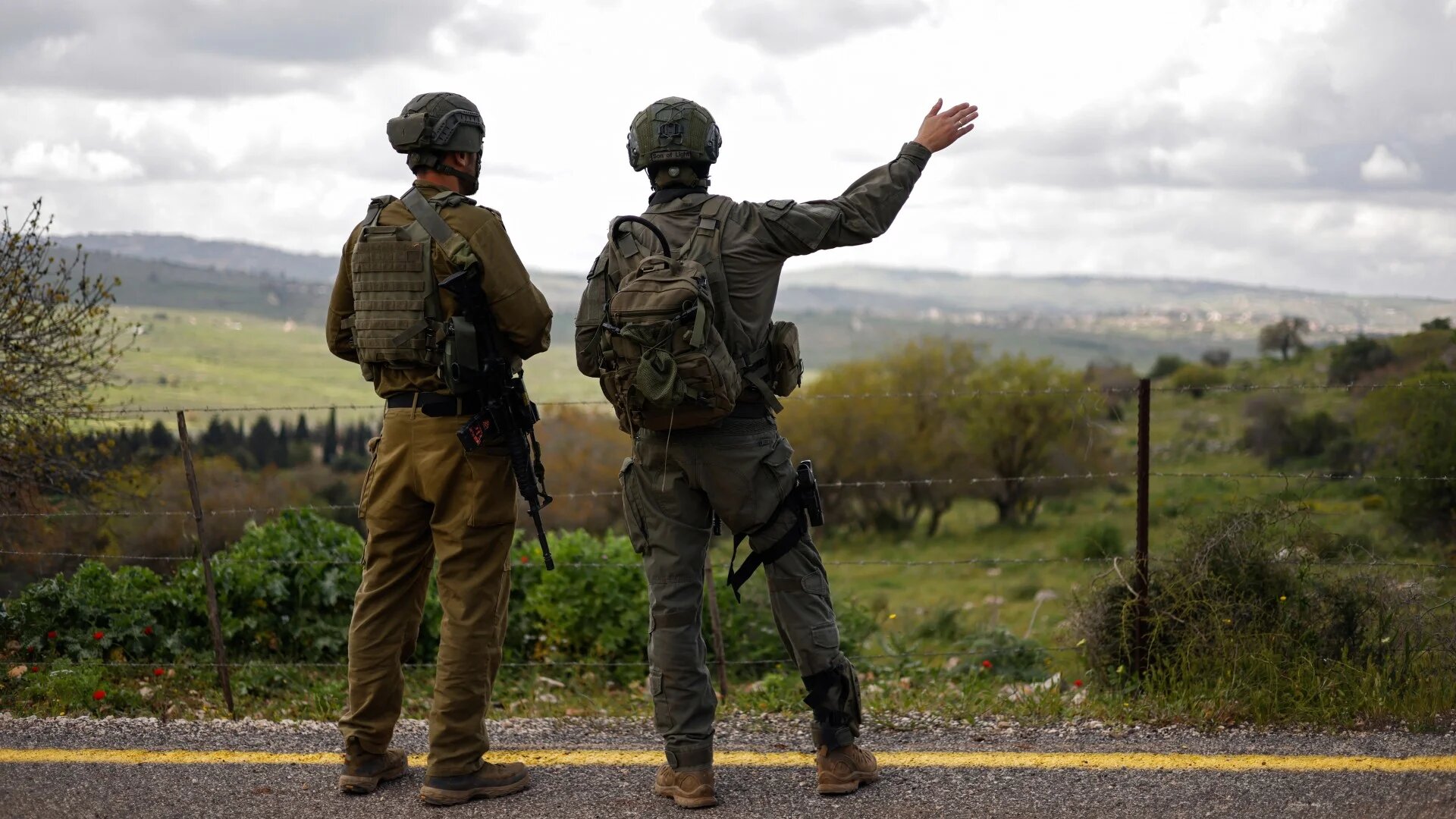
Israeli Prime Minister Benjamin Netanyahu and Defence Minister Israel Katz announced Thursday that Israeli forces will maintain an indefinite presence in southern Lebanon, Syria, and the Gaza Strip. Both officials made their statements on Thursday, speaking at a graduation ceremony for combat officers in southern Israel. During the event, Netanyahu explicitly stated, "We dominate southern Lebanon, from the summit of the Beaufort, and we will remain as long as required in the security zone. We do not intend to withdraw from it." This declaration showed Israel's long-term strategic intentions in the region.
Defence Minister Katz reinforced this position, asserting, "The Israeli military will remain in the security zones in Lebanon, in Syria and in Gaza without any time limit." His remarks left no ambiguity regarding the permanence of Israel's military footprint in these territories. Katz issued a direct and stern warning to Iran, addressing the regional power with a clear message: "There is another important message, which I hope is clearly understood in Tehran: if Iran attacks Israel because of our activities in Lebanon, or for any other reason, we will strike it with full force in a way that will clearly demonstrate the gap in power between us." This warning notes the escalating tensions and the potential for a broader conflict involving Iran. The pronouncements from both leaders signal a significant shift in Israel's stated long-term security strategy, indicating an intent to maintain control over key areas indefinitely.
Lebanon Operations Intensify
On Friday, the Israeli military continued operations across southern Lebanon, marking a period of heightened activity. These operations have led to significant disruption and destruction in local communities. Lebanon's National News Agency reported that Israeli troops engaged in bulldozing and burning homes in the town of Markaba during these ongoing operations. This destructive activity has raised concerns among residents and humanitarian organizations.
In addition to ground operations, air strikes have also been a prominent feature of the Israeli military's actions. The country's health ministry reported that air strikes resulted in the deaths of two people in Mayfadoun and wounded another individual. A separate strike was also reported in Nabatieh al-Fawqa, further indicating the widespread nature of the aerial bombardments. These incidents contribute to the growing civilian casualty count and infrastructure damage in southern Lebanon.
The Israeli military provided details on specific engagements, stating that four soldiers, including two officers, were injured during what it described as a close-quarters clash with a Hezbollah fighter in Beit Yahun. This encounter shows the direct and often intense nature of the fighting between Israeli forces and Hezbollah operatives. Since re-launching hostilities in early March, days after the US-Israeli war on Iran began, Israeli forces have killed at least 4,230 people in Lebanon. This figure reflects the severe human cost of the renewed conflict. Despite a ceasefire having been agreed just a week prior to these intensified operations, daily Israeli attacks on southern Lebanon have continued, resulting in scores of additional deaths and raising questions about the effectiveness and adherence to the ceasefire agreement. The persistent military actions have kept the region in a state of high alert and continuous conflict, impacting civilian lives and regional stability.
Syria and Gaza Fronts
Beyond Lebanon, Israel continues to maintain a significant military presence and exert control in other key areas. Israel continues to occupy the strategic heights of Mount Hermon in Syria. This territory, which had previously functioned as a UN buffer zone, was seized by Israeli forces as Bashar al-Assad’s government fell in December 2024. The occupation of Mount Hermon provides Israel with a critical vantage point and strategic advantage in the region. Syrian authorities have reported extensive Israeli military activity within their borders, claiming that Israeli forces have carried out more than 1,000 air strikes and 400 ground incursions in the country. These figures illustrate the breadth and frequency of Israeli operations in Syrian territory, often targeting alleged Iranian-backed militias or Syrian military assets.
In the Gaza Strip, discussions among senior Israeli security officials have focused on the future of the Palestinian population. On Tuesday, these officials met to discuss the possibility of expelling Palestinians from the Gaza Strip. The meeting, convened by Shmuel Ben Ezra, head of the National Security Council, was described as an urgent discussion aimed at "encouraging voluntary emigration" from Gaza. This concept of "voluntary emigration" has drawn significant international criticism and concern. During these discussions, representatives from Mossad reportedly stated that the intelligence agency has not identified any country willing to accept Palestinians from Gaza. This revelation notes the practical and ethical challenges associated with any such proposal, showing the lack of viable options for mass displacement.
Further exacerbating the situation in Gaza, last month, Israeli Prime Minister Benjamin Netanyahu ordered the army to occupy 70 percent of the Gaza Strip. This directive is seen as a clear violation of an October ceasefire agreement, which was intended to de-escalate hostilities. At the time the ceasefire came into effect, Israeli forces controlled around 53 percent of Gaza, including large areas in the north, south, and east of the enclave. Since then, the Israeli military has systematically expanded its control, now encompassing roughly 60 percent of the territory. A further expansion to 70 percent, as ordered by Netanyahu, would severely restrict the living space for Gaza’s 2.2 million Palestinians, confining them to just 109 square kilometers of land. This continued territorial encroachment and the discussions around population displacement paint a grim picture for the future of Gaza and its inhabitants.
Broader Regional Implications
The ongoing military actions and political developments in Lebanon, Syria, and Gaza are part of a broader regional conflict with devastating human consequences. Since the start of what has been termed a genocide in October 2023, Israel has killed more than 73,000 people and wounded over 173,000 others. These figures represent a catastrophic loss of life and widespread suffering across the affected territories.
Despite a ceasefire agreement reached in October last year, Israeli forces have continued operations in the Gaza Strip, indicating a persistent disregard for the terms of the agreement. In the period following that ceasefire, Israeli actions have resulted in the deaths of at least 1,024 people in Gaza. Additionally, a further 3,260 individuals have been wounded during this post-ceasefire period. These statistics show the ongoing human cost of the conflict, even after formal agreements for cessation of hostilities have been put in place. The continued violence and the high number of casualties highlight the severe humanitarian crisis unfolding in the region and the profound challenges to achieving lasting peace and stability. The indefinite presence declared by Israeli leaders, coupled with the ongoing military operations, suggests a prolonged period of instability and conflict, with broad implications for all parties involved and for international efforts to mediate a resolution.