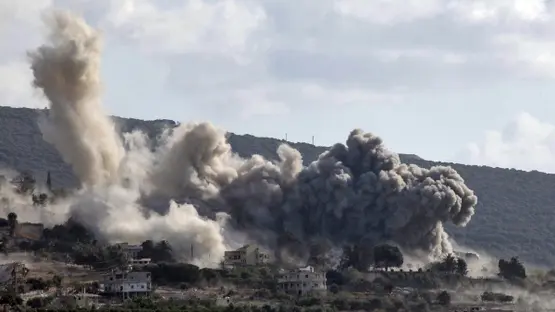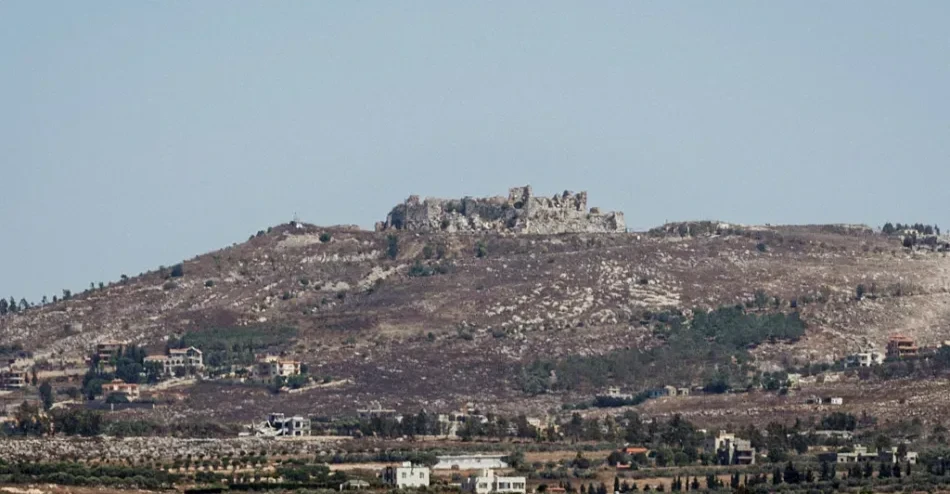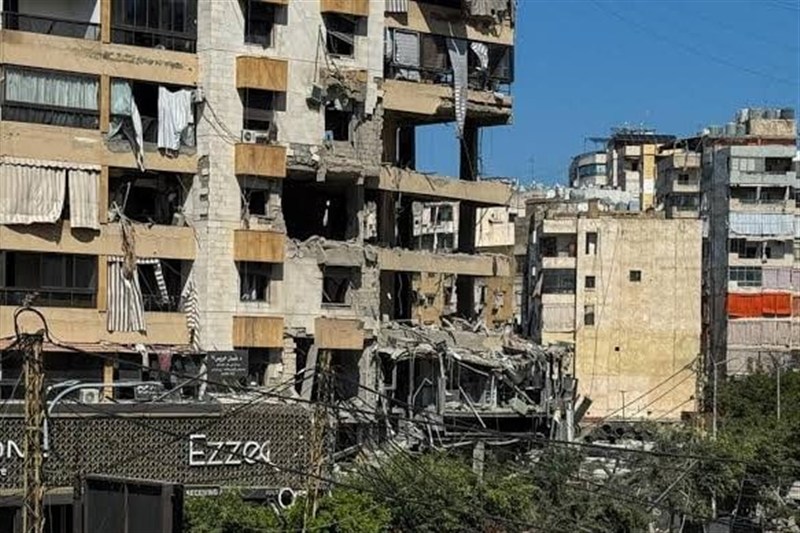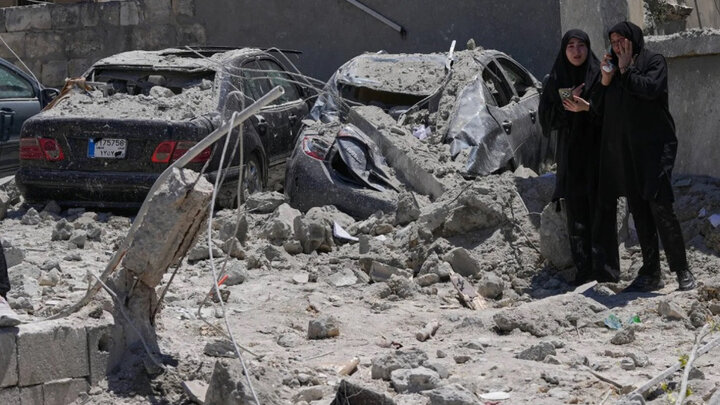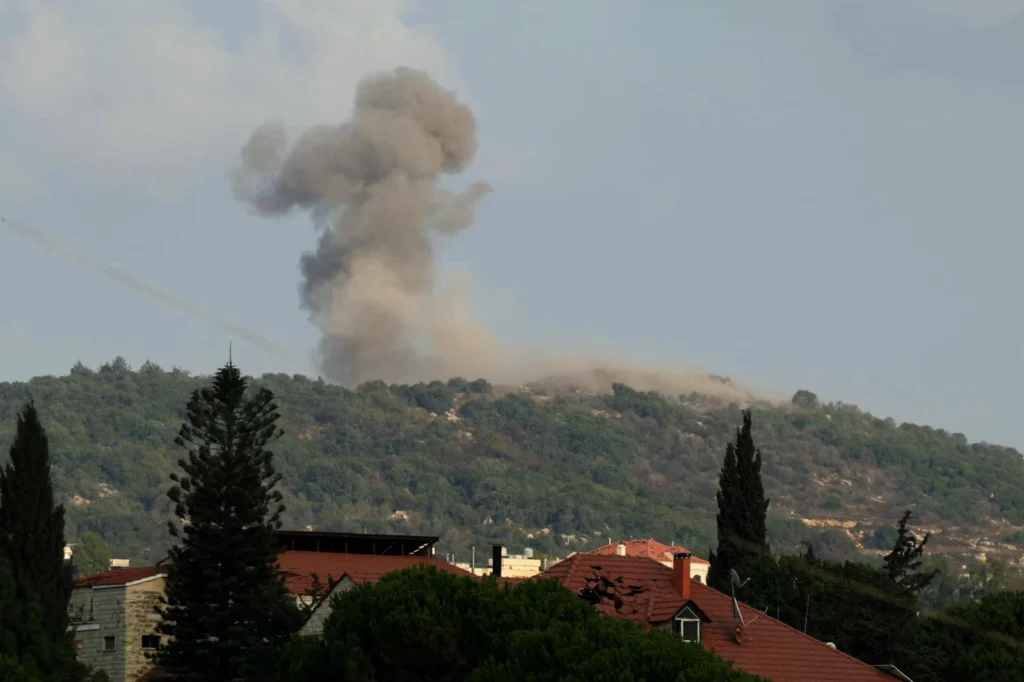
The Israeli military announced on Sunday it was conducting strikes in southern Lebanon, urging residents of Arab Salim to evacuate, following a drone attack attributed to Hezbollah. The Israeli military stated that "Terrorists from the Hezbollah terrorist organisation launched two drones towards IDF soldiers operating in the Security Zone in southern Lebanon." This statement showed the immediate cause for the military's response. The military further elaborated on its actions and justification, adding, "This constitutes a blatant violation by the Hezbollah terrorist organisation. In response, the IDF is now striking in southern Lebanon." The strikes initiated on Sunday by Israeli forces mark a direct and forceful reaction to the cross-border aggression.
Hezbollah Drone Attack Detailed
Hezbollah launched two drones towards Israel Defense Forces (IDF) soldiers operating within a self-declared "Security Zone" in southern Lebanon. This zone extends approximately 10 kilometers deep inside Lebanese territory along the border, placing Israeli forces within Lebanese sovereign land, albeit in an area Israel designates for its security operations. The drones were specifically aimed at IDF soldiers engaged in operations within this sensitive border region. Crucially, there were no reports of Israeli soldiers sustaining injuries during the drone attack, indicating that while the attack occurred, it did not result in casualties for the Israeli military personnel. This lack of casualties was confirmed by initial assessments from the IDF. The Iran-backed Hezbollah group has previously engaged in hostilities with Israel, including an attack on Israeli territory in March, demonstrating a pattern of cross-border military actions. The recent drone launch represents a continuation of these intermittent confrontations.
Evacuation Warning Issued
The Israeli military issued a warning to residents of Arab Salim, urging them to evacuate the area in anticipation of imminent attacks. This directive was a precautionary measure, signaling that the Israeli response would likely involve significant military action in the vicinity. Residents of Arab Salim were specifically urged to evacuate to ensure their safety as military operations escalated. This directive came as a framework agreement between Israel and Lebanon was reached later in June, an agreement that had aimed to de-escalate tensions along the shared border. Despite diplomatic efforts, the security situation remains volatile.
Lebanese authorities reported on Saturday that Israeli strikes resulted in the deaths of four individuals in the country’s south and east. These earlier strikes highlight the ongoing nature of the conflict and the civilian toll it exacts. Following these developments, Israel responded with airstrikes and a ground invasion in previous instances of escalation. Lebanon has stated that these actions have led to the deaths of more than 4,300 people, showing the severe human cost of the prolonged conflict. The Israeli military previously reiterated its justification for the current actions, stating that "Terrorists from the Hezbollah terrorist organisation launched two drones towards IDF soldiers operating in the Security Zone in southern Lebanon." The military further added, "This constitutes a blatant violation by the Hezbollah terrorist organisation. In response, the IDF is now striking in southern Lebanon," reinforcing its stance that the strikes are a direct and necessary retaliation.
Broader Regional Context
The Israel Defense Forces (IDF) are currently striking targets in southern Lebanon, an action taken in direct response to the recent drone launch attributed to Hezbollah. This escalation comes amidst a period where overall violence in the region had seen a decrease. Prior to the recent incidents, there had been a noticeable reduction in hostilities since a memorandum of understanding was reached between the United States and Iran in June. This agreement had been expected to de-escalate tensions in various flashpoints across the Middle East, offering a glimmer of hope for regional stability. The reduction in violence following the US-Iran memorandum of understanding had been a significant development, making the current escalation particularly noteworthy.
Despite the recent reduction in broader regional violence, Lebanon found itself drawn into the wider Middle East conflict in March. This involvement has profoundly impacted the country's stability and security. Since March, Lebanon has experienced intermittent but significant military actions, contributing to a deteriorating security situation along its southern border. The ongoing presence of Israeli forces operating inside a self-declared 'security zone' around 10 kilometers deep inside Lebanon along the border further complicates the sovereignty and security dynamics of the region. The IDF's ongoing strikes in southern Lebanon show the fragile nature of the regional security landscape, even following diplomatic efforts to reduce conflict. The specific targeting of areas in response to drone attacks indicates a reactive military posture by Israel, aiming to deter further aggression and protect its forces operating in the contested border zone. The cycle of attack and retaliation continues to define the volatile relationship between Israel and Hezbollah, with significant implications for regional stability.