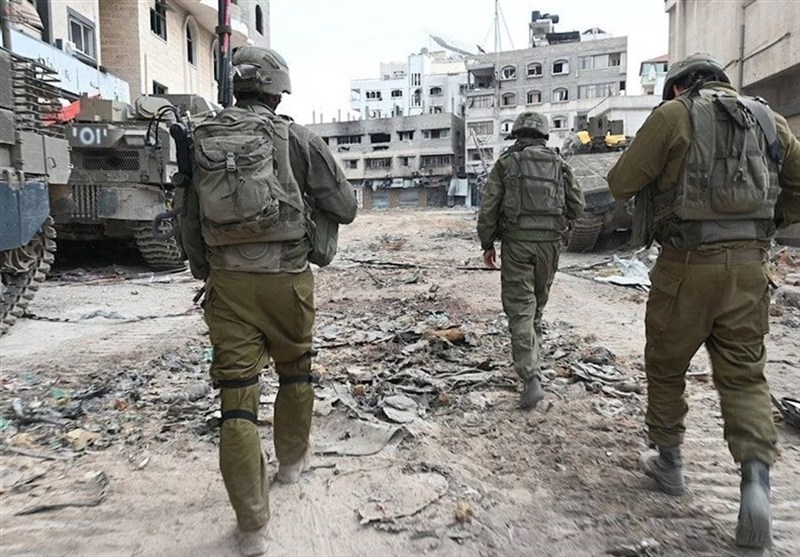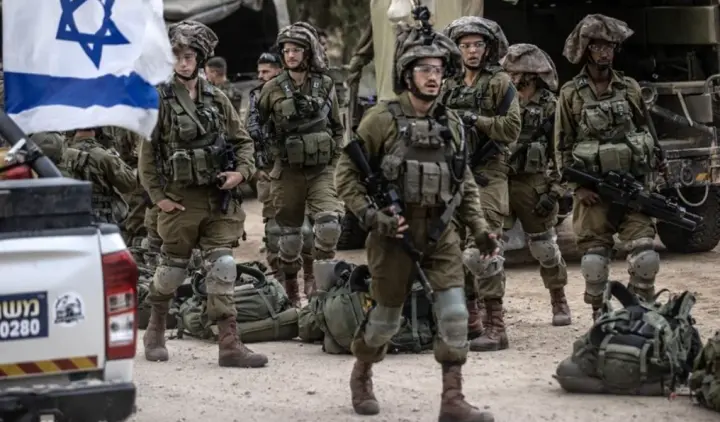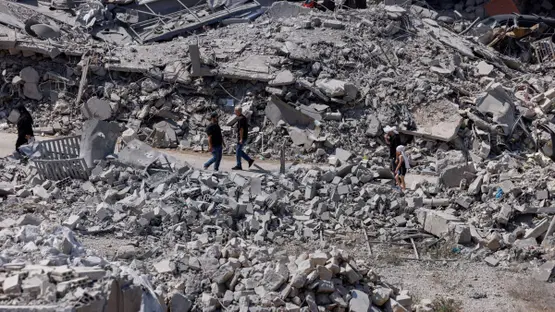
The Israeli military announced on Friday that it killed seven Hezbollah militants operating near its so-called “security zone” in southern Lebanon. The Israel Defense Forces (IDF) stated the operatives were engaged in activities close to the border area when they were targeted, specifying that they were transferring weapons. The military said in a statement that it had "struck and eliminated seven Hezbollah terrorists who transferred weapons near the Security Zone in southern Lebanon." The incident reportedly occurred in southern Lebanon, a region that has seen heightened tensions. This report comes amid ongoing exchanges across the Israel-Lebanon border, noting the persistent volatility in the region.
Escalation Amidst Ceasefire Talks
Hezbollah drew Lebanon into the regional conflict on March 2 with rocket fire aimed at Israel, reportedly to avenge the killing of Iran’s supreme leader in US-Israeli strikes. This action marked a significant escalation, broadening the scope of the regional hostilities. Following this, under pressure from the United States, Lebanese officials initiated direct talks with Israel in Washington during April. These negotiations were an attempt to de-escalate the burgeoning conflict. A truce was announced on April 17 as a result of these discussions, though fighting reportedly continued despite the agreement, indicating the fragility of the ceasefire. The fifth round of these talks between Israel and Lebanon was scheduled to conclude on Thursday. However, the US State Department announced that the negotiations would be extended for an additional day, signalling the complexity of the discussions and ongoing efforts to secure a lasting resolution. This extension shows the critical nature of the diplomatic efforts aimed at stabilizing the volatile border region.
Military Statement and Intent
The Israeli military stated it "struck and eliminated seven Hezbollah terrorists who transferred weapons near the Security Zone in southern Lebanon." The statement elaborated that the operatives were engaged in transferring weaponry close to the designated area, which the IDF considers a critical security concern. The military also affirmed its ongoing operational posture, declaring it would "continue to operate to remove threats." This declaration from the Israel Defense Forces (IDF) shows their commitment to addressing perceived dangers in the border region and maintaining a proactive stance against what it views as hostile activities. The incident notes the persistent tensions and active engagement between Israeli forces and Hezbollah operatives along the frontier. The IDF's statement provides its official justification for the strike, framing the action as a response to specific hostile activities by Hezbollah and a measure to protect Israeli security interests. It also serves as a warning regarding future actions against perceived threats.
Regional Conflict Context
Israel responded to the initial provocations with airstrikes and an invasion. These military actions have resulted in more than 4,200 fatalities, according to figures released by Lebanon. The sustained conflict in the region has been a significant point of contention, with casualties reported on both sides, contributing to a severe humanitarian situation. The broader regional war has seen various parties involved, with diplomatic efforts often struggling to keep pace with military escalations.
A new ceasefire was announced this month, following diplomatic efforts to quell the violence. This development comes as Tehran continues to assert that any agreement with the United States aimed at ending the broader Middle East conflict must explicitly include Lebanon. The insistence from Iran notes the interconnected nature of regional security concerns and the various parties involved in ongoing negotiations, suggesting that a lasting peace requires a full approach addressing multiple fronts of conflict. The situation remains highly fluid, with military actions and diplomatic negotiations proceeding in parallel.