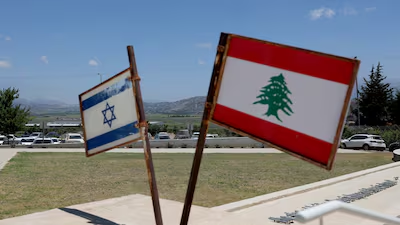
Israel has rejected conditions for a 60-day interim peace agreement that link an end to the ongoing conflict to a ceasefire in Lebanon. The proposed agreement's first article stipulates the "immediate and permanent termination of military operations on all fronts, including in Lebanon," alongside "ensuring the territorial integrity and sovereignty of Lebanon." This condition directly addresses the ongoing hostilities in the region. The 60-day interim peace agreement conditions an end to the conflict on a ceasefire in Lebanon, a critical demand from the Lebanese side. Lebanon’s Health Ministry reported that Israeli attacks since March 2 have killed at least 4,230 people. The rejection comes as regional tensions remain high, with the proposed conditions noting the interconnected nature of the conflicts. The emphasis on Lebanon's sovereignty within the peace proposal shows its significance to any broader resolution, reflecting a key demand from Beirut for any lasting peace.
Lebanon Conflict Escalates
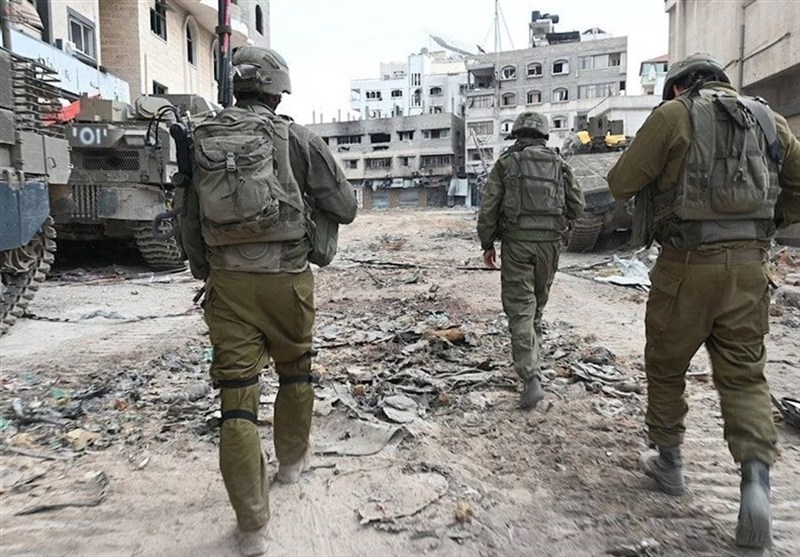
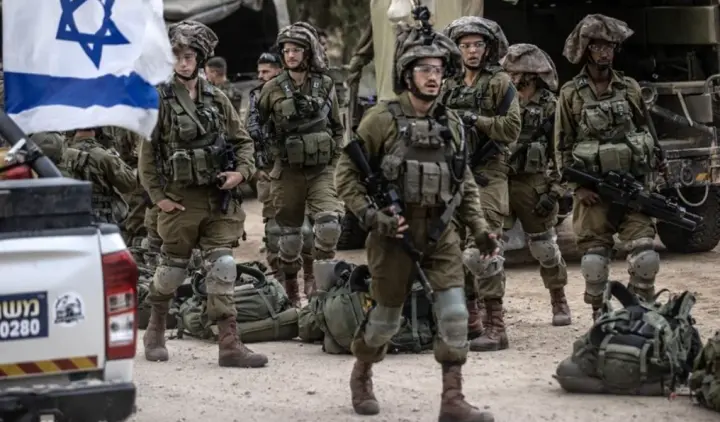
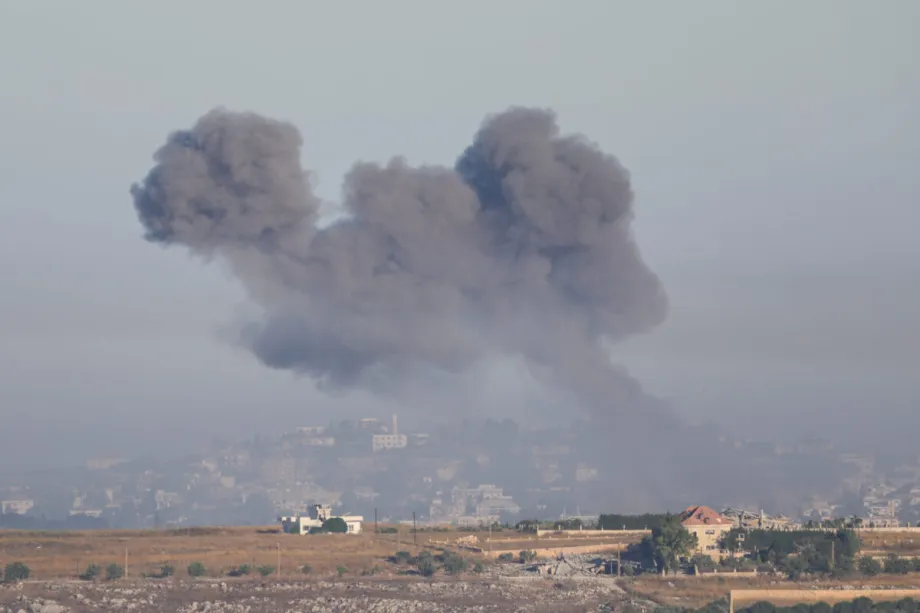
Israeli Prime Minister Benjamin Netanyahu stated that Israel would occupy southern Lebanon indefinitely, declaring, "we dominate southern Lebanon, from the summit of the Beaufort, and we will remain as long as required." Mr. Netanyahu further asserted, "we do not intend to withdraw from it." This declaration followed reports of intensified military activity in the border region. Israeli airstrikes were reported Friday in several towns, resulting in the deaths of at least two people, further exacerbating the humanitarian situation. The Israel Defense Forces (IDF) also issued new evacuation orders and demolished homes in the town of Markaba as operations continued, forcing more residents to flee their homes. These actions contribute to the ongoing conflict, which has seen four Israeli soldiers reported injured in Lebanon, showing the direct military engagement. Meanwhile, negotiations aimed at achieving a final settlement to the conflict entered their ninth day on Friday, as diplomatic efforts continue amidst the escalating military situation, indicating a sustained push for a resolution despite the ongoing violence. The protracted nature of these talks notes the complexity of reaching a full agreement.
The humanitarian impact of the ongoing conflict has been severe, with thousands displaced and vital infrastructure damaged. The IDF's issuance of new evacuation orders in Markaba signals a further expansion of military operations, compelling civilians to abandon their properties and seek refuge elsewhere. The demolition of homes in the same town adds to the destruction, raising concerns about the long-term recovery for affected communities. The reported injuries to Israeli soldiers in Lebanon confirm the active and dangerous nature of the engagements, indicating that both sides are sustaining casualties in the protracted conflict. These ground-level developments paint a grim picture of the situation, contrasting sharply with the ongoing diplomatic attempts to broker a peace deal. The continued military actions, alongside the firm stance articulated by Prime Minister Netanyahu regarding Israel's presence in southern Lebanon, present significant obstacles to the success of the peace negotiations, even as they enter their ninth day.
Strait of Hormuz Incident
A Singapore-flagged tanker was struck by a suspected Iranian drone near Oman while attempting to navigate a route recommended by the British navy agency UKMTO. This incident occurred in a critical maritime chokepoint for global oil supplies. Two U.S. Officials informed Reuters that Iran was responsible for the drone attack, attributing the strike to Tehran's forces. In response to regional developments and the heightened risk in maritime shipping lanes, the International Maritime Organization paused its plan on Thursday to evacuate vessels from the Strait of Hormuz, indicating a reassessment of safety protocols. Despite these incidents, at least 37 ships were either transiting the Strait of Hormuz or were in the process of doing so at the time of reporting, demonstrating the continued vital importance of the waterway for international trade. The broader maritime situation coincided with a notable shift in global oil prices, reflecting market reactions to the increased instability. On Friday morning, the price of Brent Crude oil fell to $71.60, a movement that could be influenced by various factors including supply-demand dynamics and geopolitical tensions. Domestically, AAA reported that the national average price of gas stood at $3.90, providing a snapshot of consumer fuel costs in the United States.
The attack on the Singapore-flagged tanker shows the fragility of maritime security in the region, particularly in and around the Strait of Hormuz, a narrow passage through which a significant portion of the world's oil supply transits. The attribution of responsibility to Iran by U.S. Officials adds another layer of complexity to the already tense geopolitical landscape. The decision by the International Maritime Organization to halt its vessel evacuation plan suggests a cautious approach to managing the risks, perhaps indicating an assessment that a mass evacuation might itself create further complications or unnecessary panic. The continued presence of numerous ships in the Strait, despite the recent attack, notes the indispensable role of this route for global commerce and energy transport. The fluctuation in Brent Crude oil prices, with a reported fall to $71.60, illustrates how global markets react to such geopolitical events, even if the direct impact on supply is not immediately clear. The national average gas price reported by AAA at $3.90 offers a domestic perspective on fuel costs, which are often indirectly influenced by international oil market dynamics and regional stability.
Diplomatic Maneuvers and Reactions
Israeli Defense Minister Israel Katz stated on Wednesday that the United States has not demanded an Israeli withdrawal from Lebanon. Mr. Katz affirmed, "there is no American demand for Israel to withdraw from Lebanon," clarifying Israel's position amid ongoing regional tensions and seemingly countering any speculation of U.S. Pressure on this front. This statement comes as diplomatic efforts continue to address the interconnected conflicts in the region, with various international actors attempting to de-escalate the situation.
Separately, Italian Foreign Minister Antonio Tajani contacted Iran’s Foreign Minister Abbas Araghchi to address allegations made by NATO Secretary General Mark Rutte. Mr. Rutte had claimed on Fox News that Italian bases were being utilized for offensive operations targeting Iran, a serious accusation with potential diplomatic ramifications. Foreign Minister Tajani disputed these allegations during his call with Mr. Araghchi, seeking to clarify Italy's stance and role in the regional security landscape, and to reaffirm Italy's position as a non-belligerent party in any potential conflict with Iran. These diplomatic exchanges highlight the complex interactions between international actors as they navigate the escalating situation, with nations actively seeking to manage perceptions and maintain their diplomatic relationships amidst heightened regional tensions. The direct communication between the Italian and Iranian foreign ministers demonstrates an effort to prevent misunderstandings from further inflaming the already volatile environment.