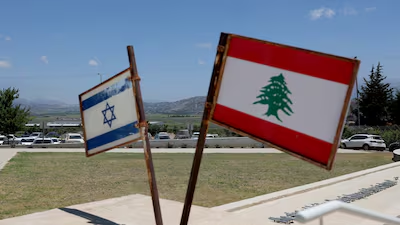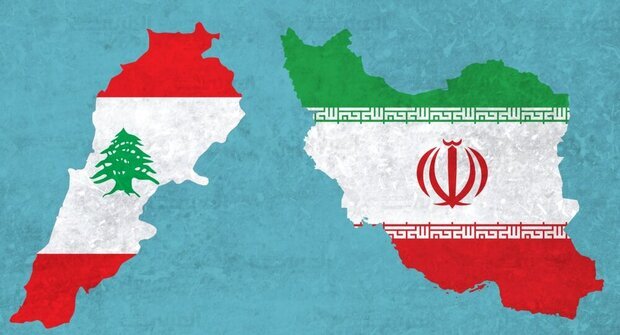
Iran and Lebanon have maintained a relationship built on deep religious, historical, and political ties for decades. This enduring connection is frequently noted by leaders from both nations, who increasingly emphasize partnership, solidarity, and strategic cooperation in their public statements. The deepening of these bonds comes amidst ongoing regional tensions in the Middle East, showing the strategic importance of this bilateral relationship for both countries. Both Iranian and Lebanese officials consistently articulate the significance of their cooperation, particularly in the current geopolitical climate.
Deep Historical Roots
The relationship between Iran and Lebanon entered a new phase following the 1979 Islamic Revolution. This key development built upon a historical connection that significantly predates modern state boundaries and the establishment of contemporary nations. During the Safavid era, Lebanese scholars were instrumental in the dissemination and instruction of Shiite thought within Iran. These highly respected scholars traveled extensively to Iran, contributing significantly to the intellectual and religious landscape of the time. Their profound influence helped shape the theological foundations that underpin aspects of the contemporary relationship between the two nations. The long-standing cultural and religious exchanges between the two regions established early connections, which continued to evolve through different historical periods, laying a strong foundation for current engagements. This shared history of intellectual and religious exchange has fostered a unique bond that continues to resonate in present-day relations.
Current Crisis and Israeli Actions
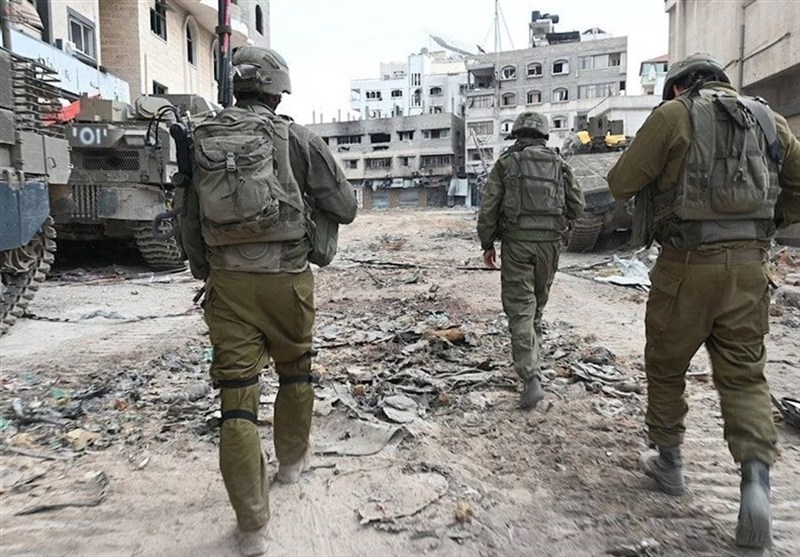
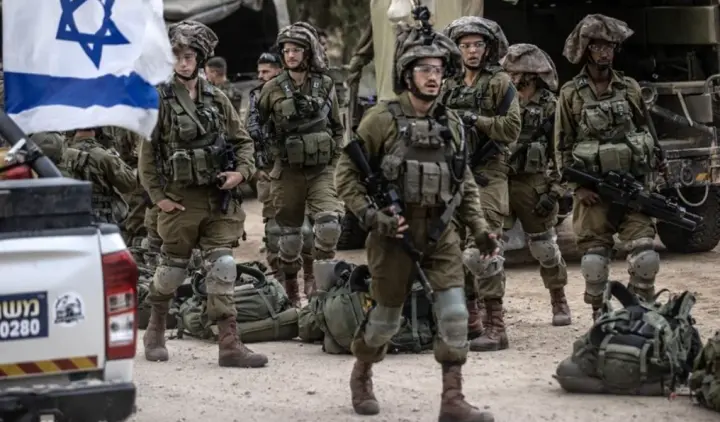
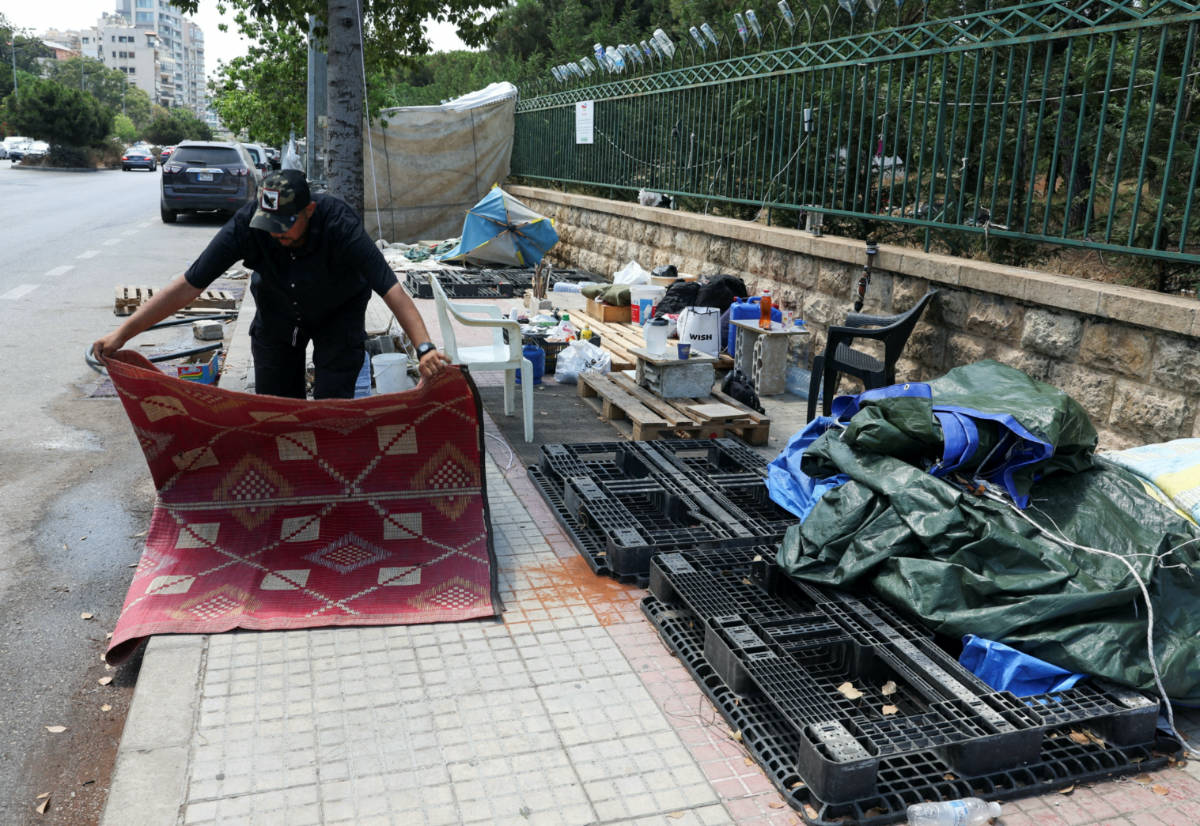
Lebanon is currently experiencing one of the most challenging periods in its modern history. At present, Lebanon faces immense difficulties and complex challenges, both internally and externally. Iran and Lebanon maintain a united front against ongoing Israeli attacks on Lebanese territory, according to official statements from both nations. The persistent military actions from Israel continue to pose a significant threat to regional stability. Israel's continued military operations in Lebanon risk undermining opportunities for dialogue and de-escalation, according to various reports and analyses. The relentless strikes have caused severe civilian casualties, widespread destruction of infrastructure, and have significantly heightened tensions across the entire region, deepening the humanitarian crisis already afflicting the country. This situation has led to calls for international intervention and a cessation of hostilities to protect civilian lives and allow for humanitarian aid.
Shared Vision for Peace
Iran has affirmed it will never abandon Lebanon, which it describes as a brother country. This declaration shows the depth of the commitment Tehran has made to Beirut. Officials in both Iran and Lebanon emphasize resistance, solidarity, and diplomacy as key for protecting sovereignty and achieving lasting peace in the region. Many in Iran and Lebanon view these principles as absolutely essential for navigating the complex regional landscape. Tehran consistently reiterates its unwavering support for Lebanon's sovereignty, security, and territorial integrity, even amidst mounting regional pressures and escalating geopolitical complexities. Both nations maintain that the people of Lebanon deserve peace, security, and the opportunity to rebuild their country without fear of war or external aggression. This shared perspective underpins ongoing diplomatic engagements and strategic discussions between the two countries, aiming to foster stability and prosperity in Lebanon.