International headlines today feature escalating conflict in the Middle East, widespread protests in Kenya, significant developments in space exploration, and a mixed performance across global financial markets. These events show a dynamic global landscape, marked by political tensions, public health concerns, and technological advancements.
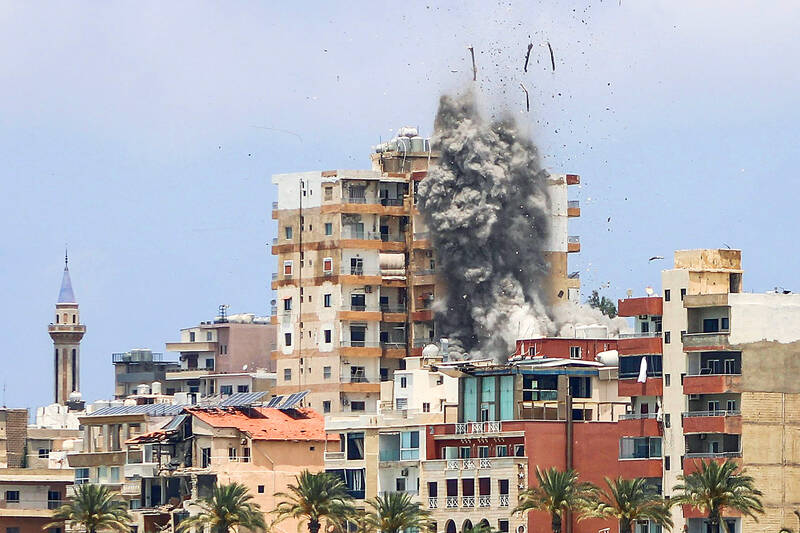
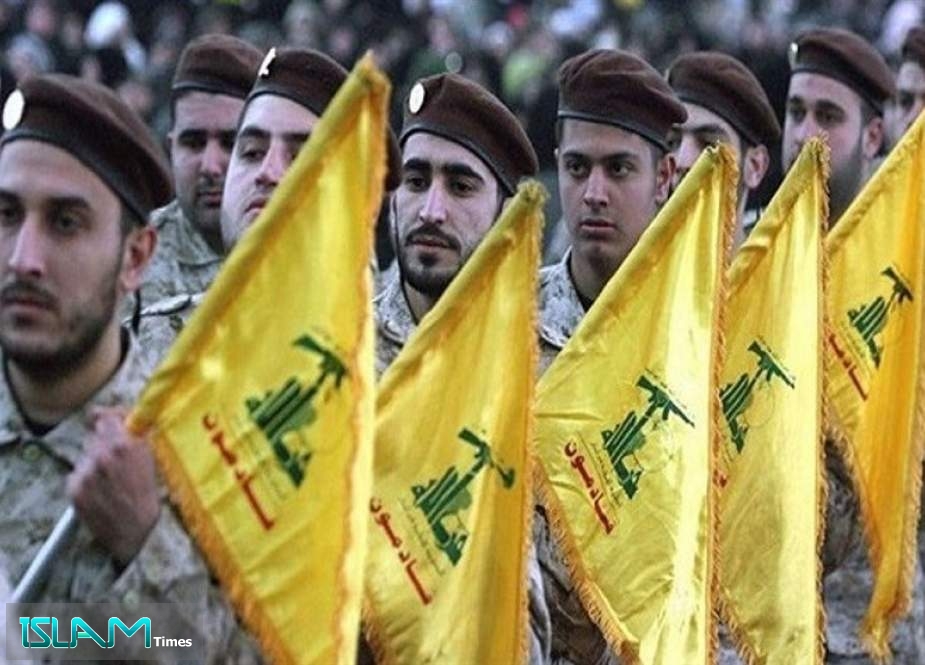
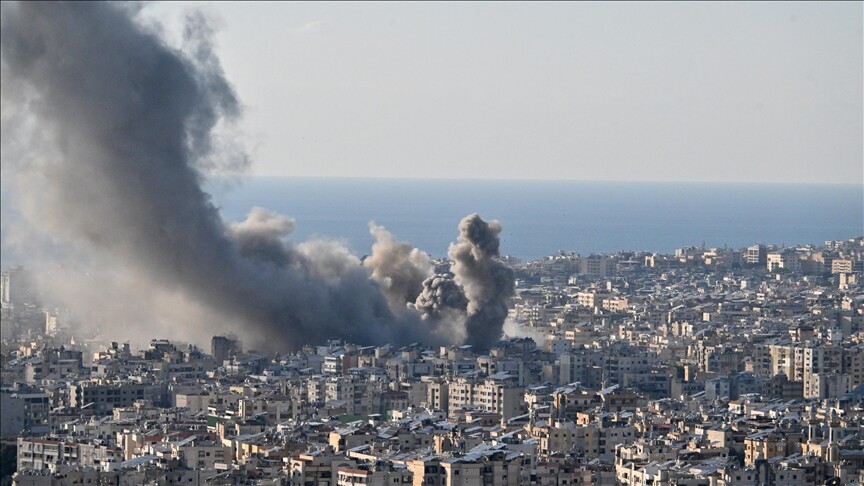
Israel's bombing campaign against Hezbollah continued inside Lebanon, targeting areas as conflict persists in the region. The sustained military actions by Israeli forces have drawn international attention, with concerns mounting over regional stability. Simultaneously, protests in Kenya resulted in one demonstrator shot and killed, with at least 10 individuals detained by authorities. The unrest in Kenya unfolded amid broader regional developments, noting tensions over public health initiatives. Meanwhile, financial markets concluded the day with the S&P 500 ending in negative territory, reflecting investor sentiment amidst these various global uncertainties.
Lebanon Under Fire
The conflict in the Middle East has seen a significant intensification of Israeli military operations within Lebanese territory. Israeli strikes have targeted the southern port city of Tyre, a key urban center in southern Lebanon, leading to substantial casualties. These attacks resulted in the tragic deaths of at least eight people and wounded dozens of others, exacerbating the humanitarian situation in the area. Following these devastating strikes, the Israeli military issued an explicit order for the entire city of Tyre to evacuate. This directive has raised alarms about potential further escalation and the displacement of a large civilian population.
These actions come as Israeli forces effectively control approximately a fifth of Lebanon, a considerable territorial presence that shows the depth and breadth of the ongoing conflict. The strategic implications of this control are significant, influencing regional power dynamics and the daily lives of Lebanese citizens. The persistent targeting of areas inside Lebanon by Israel's bombing campaign against Hezbollah signifies a continued and intense phase of hostilities, with no immediate signs of de-escalation. The international community continues to monitor the situation closely, urging restraint and the protection of civilian lives amidst the escalating violence.
Kenya Ebola Center Unrest
Public health concerns have ignited widespread protests in Kenya, specifically over a proposed Ebola quarantine center intended for Americans. The demonstrations show public anxiety and opposition to the establishment of such a facility within Kenyan communities. The proposed center, designed to isolate and treat individuals potentially infected with the highly contagious Ebola virus, has become a focal point of local discontent.
In response to the demonstrations, Kenyan police engaged with the crowds, employing measures to disperse the protesters. Officers fired warning shots into the air and deployed tear gas to break up the gatherings, leading to chaotic scenes in several locations. The confrontations escalated dramatically, resulting in a tragic outcome: one protester was shot and killed during the unrest. Additionally, at least 10 other individuals were detained by authorities in connection with the demonstrations, indicating a firm response from law enforcement.
The unrest in Kenya occurred amidst an ongoing Ebola outbreak in the Democratic Republic of the Congo, a neighboring nation. Health officials in the DRC have confirmed a grim toll, with at least 115 people having died from the virus. This regional health crisis undoubtedly contributes to the heightened sensitivity and fear surrounding Ebola, influencing public reactions to quarantine proposals in nearby countries like Kenya. The protests highlight the complex interplay between public health policy, community fears, and governmental responses in the face of infectious disease outbreaks.
Iran World Cup Ticket Dispute
A significant dispute has emerged concerning Iran's participation in the upcoming World Cup, specifically regarding fan attendance. Iran's Soccer Federation announced that FIFA, the international governing body of football, has revoked its ticket allocation for fans to attend the Iranian national team's three scheduled matches in the U.S. This decision by FIFA has sparked considerable controversy and frustration within Iran.
Following FIFA's announcement, Iranian officials swiftly issued strong accusations, asserting that the U.S. Government was deliberately preventing their supporters from attending the World Cup. These claims add a layer of political tension to the sporting event, suggesting that geopolitical factors are influencing fan access. The revocation of tickets directly impacts Iranian citizens who had hoped to travel to the U.S. To support their national team, raising questions about the fairness and inclusivity of international sporting competitions when political relations are strained.
In a related development that further complicates international participation in the World Cup, FIFA removed a Somali referee from the tournament. This decision came after the referee was denied entry to the U.S. The U.S. Government's decision to deny him entry led directly to his removal from the roster of officials for the prestigious global event. This incident, alongside the Iranian ticket dispute, raises broader questions about international participation in the tournament, particularly concerning how host nation entry policies might affect athletes, officials, and fans from various countries. The intersection of visa policies and international sports events continues to be a point of contention and discussion.
Artemis III Crew Revealed
NASA has made a landmark announcement regarding its ambitious lunar exploration program, unveiling the crew for its next space mission. The agency named three U.S. Astronauts and one Italian astronaut, forming an international team for this key endeavor. This crew selection marks a significant step forward for the Artemis program, which aims to return humans to the Moon.
NASA is working toward a moon landing as soon as 2028, a target date that shows the agency's commitment to re-establishing a human presence on the lunar surface. The designated Artemis III crew is scheduled for a two-week mission next year, which will serve as a vital precursor to future lunar landings. During this mission, the crew will orbit Earth and practice critical docking procedures, essential skills required for complex deep-space operations. These preparations are integral to ensuring the safety and success of future lunar endeavors, including the eventual moon landing.
This announcement follows a recent incident involving Blue Origin, another prominent player in the private space industry. A Blue Origin rocket experienced an explosion on a launchpad in Florida less than two weeks prior to NASA's crew announcement. While this incident involved a different entity, it serves as a stark reminder of the inherent risks and challenges associated with space exploration. Despite the recent unrelated launchpad incident involving another space company, the selection of the Artemis III crew marks a significant and forward-looking step for NASA's lunar program, reinforcing its dedication to advancing human spaceflight and scientific discovery beyond Earth.
Market Performance Mixed
U.S. Financial markets concluded the trading day with mixed results, reflecting varying investor confidence across different sectors of the economy. The Dow Jones industrial average, a key indicator of the performance of 30 large, publicly owned companies based in the United States, posted gains by the close of trading. Specifically, the Dow Jones industrial average rose by more than 80 points, indicating positive movement for some of the nation's most established blue-chip stocks. This uptick suggests a degree of optimism among investors regarding certain segments of the market or specific corporate performances.
In contrast, the technology-heavy Nasdaq Composite index experienced a decline, losing ground by the end of the day. The Nasdaq, which includes a large number of technology and growth companies, fell 250 points by the close of trading. This significant drop suggests a pullback in investor enthusiasm for the technology sector, potentially influenced by various factors such as interest rate expectations, regulatory concerns, or shifts in market sentiment towards riskier assets. The S&P 500, a broader market index widely considered one of the best gauges of large-cap U.S. Equities, also ended the day in negative territory, aligning with the Nasdaq's downward trend rather than the Dow's gains. This divergence reflects varying investor sentiment across different market sectors, indicating a complex and nuanced financial environment as global events continue to unfold.