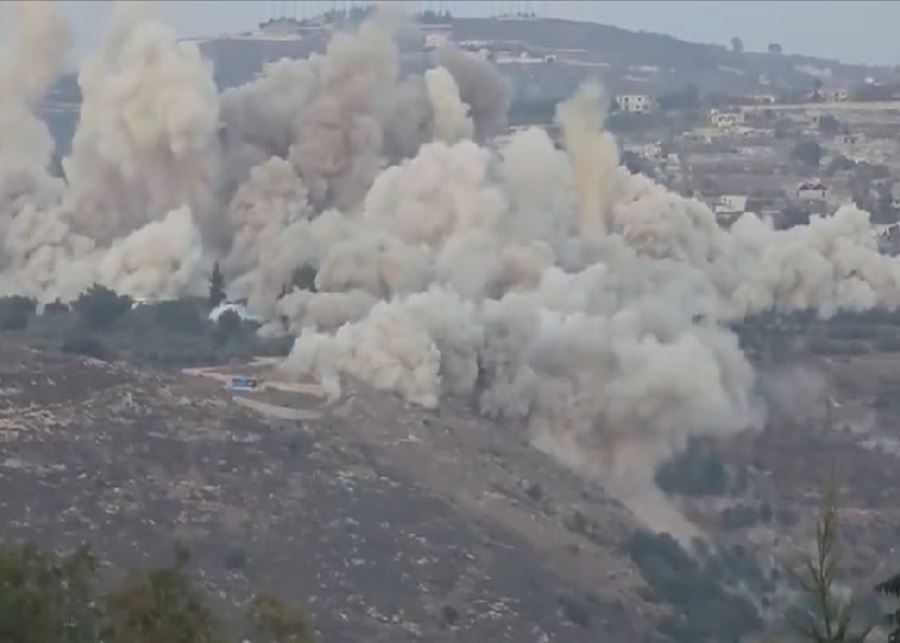
Rosette Mansour and her family were held at gunpoint by Syrian soldiers in October 1990. During the encounter, a Lebanese tank fired a shell at the Syrian soldiers, killing them and saving the family. This incident occurred during the final stages of the Lebanese Civil War, a conflict that lasted for 15 years and concluded in 1990. The war, which spanned a duration of 15 years, left an indelible mark on those who lived through its conclusion in 1990.
Reflecting on the violence, Rosette Mansour stated, "I don’t recall I’ve ever experienced a time of peace in Lebanon." She noted the lasting impact of the event, adding, "After that incident, being pregnant and being terrified and having the trauma, I couldn’t befriend them. I couldn’t tolerate their accent. I thought it was a season or a short period of time and then I’d be healed, because I was traumatized." She continued, "But it did not go. That feeling did not go. So I started fasting and praying." The persistence of this trauma shaped her daily existence and her outlook on the regional instability that followed the conflict.
Living Through Endless Conflict
The Syrian War spanned from 2011 to 2024. Today, approximately 1.5 million Syrians live in Lebanon. Refugees in Lebanon total about 2 million, representing one-fifth of the population, according to the International Fund for Agricultural Development. The presence of approximately 1.5 million Syrians in Lebanon today reflects the ongoing displacement caused by the regional war. This demographic shift, which sees 1.5 million Syrians residing within the borders of Lebanon, has fundamentally altered the social and economic landscape of the country.
A 10-year-old Sunni Muslim boy described the uncertainty of his situation, stating, "I was wondering if I am going to die from hunger, wondering if I escaped from Syria to come and die of hunger in Lebanon." He also recounted a vision he experienced in a dream. He said, "His face was shining like the sun and he was dressed in a white robe." Regarding the message he received in the dream, the boy added, "Tomorrow a man will come and he will share with you about love, hope and peace. And he repeated this three times." For a child living in such precarious conditions, these moments of reflection and vision-seeking offer a stark contrast to the daily struggle for basic necessities. The boy’s experience notes the psychological burden carried by those who have fled conflict, only to find themselves navigating the challenges of life as a refugee in a foreign land.
Confronting Deep Seated Trauma
Rosette Mansour relocated to the U.S. In 2025. Following her move, she secured a position as the manager of partnerships and development programs for Middle East Bible Outreach. She began these duties in 2025, focusing on the organization's regional initiatives. As the manager of partnerships and development programs for Middle East Bible Outreach, she took on these responsibilities in 2025 to address the needs of those affected by the regional instability she herself had once navigated.
In her role as manager of partnerships and development programs for Middle East Bible Outreach, Rosette Mansour oversees strategic efforts that began in 2025. By focusing on the organization's regional initiatives, she channels her personal history of trauma into professional advocacy. The transition to the U.S. In 2025 marked a significant turning point in her life, allowing her to facilitate support for others through her work at Middle East Bible Outreach. Since beginning her tenure in 2025, she has dedicated her efforts to the mission of the organization, aiming to provide resources and programs that address the complex challenges faced by individuals across the Middle East. Her journey from the trauma of 1990 to her current role, which she commenced in 2025, serves as a testament to the long-term impact of conflict and the subsequent path toward reconciliation and service.