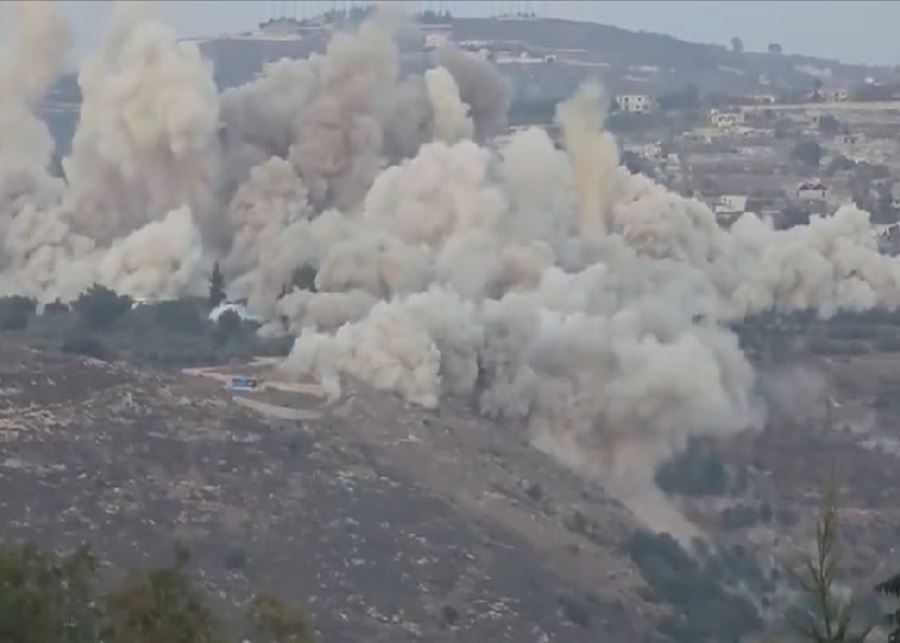
Widespread destruction across Lebanon follows the conflict between Israel and Hezbollah. Infrastructure and residential areas sustained significant damage during the hostilities, creating a substantial demand for repairs and long-term recovery efforts.
The conflict between Israel and Hezbollah has caused widespread destruction across Lebanon. This physical damage spans residential neighborhoods, essential public infrastructure, and key utility networks that previously supported daily life for the civilian population. The scale of the destruction necessitates full assessments to determine the total extent of the damage to buildings and municipal systems. These assessments are required to prioritize the most urgent repair work, ensuring that basic services can eventually be restored to the affected areas.
Reconstruction efforts face severe limitations due to the ongoing economic crisis and political instability within Lebanon. These domestic conditions complicate the mobilization of resources and the coordination of development projects required to restore affected regions.
Reconstruction efforts are hindered by Lebanon's ongoing economic crisis and political instability. The economic crisis acts as a primary barrier to the procurement of construction materials, as the availability of necessary supplies remains restricted by the current financial environment. The limited access to capital and the devaluation of local currency make it difficult for both the public and private sectors to fund large-scale repair projects. The fiscal constraints currently impacting the country prevent the allocation of significant national budgets toward infrastructure rehabilitation, leaving a gap in the funding required for the rebuilding process.
Political instability within Lebanon further complicates the implementation of recovery strategies. The lack of a stable administrative framework makes it difficult to establish a unified policy for reconstruction or to ensure the transparent management of development projects. Without a consistent political environment, the coordination of international aid and domestic resource mobilization remains fragmented. This instability limits the ability of government agencies to provide the necessary oversight for large-scale engineering and construction initiatives, which are essential for addressing the widespread destruction caused by the conflict between Israel and Hezbollah.
The combination of these factors—the economic crisis and political instability—creates a challenging climate for any long-term recovery plan. The process of rebuilding requires not only the physical removal of debris and the repair of damaged structures but also the establishment of a functional environment where such projects can be sustained. Because reconstruction efforts are hindered by Lebanon's ongoing economic crisis and political instability, the timeline for restoring residential and public infrastructure remains uncertain.
The widespread destruction across Lebanon, resulting directly from the conflict between Israel and Hezbollah, continues to impact the daily lives of those in the affected regions. As stakeholders attempt to navigate the limitations imposed by the current economic and political landscape, the demand for repairs persists. The difficulty in securing funding and the inability to maintain consistent operational oversight mean that the reconstruction of infrastructure and residential areas remains a complex task.
Ultimately, the path forward for Lebanon involves addressing these structural hurdles. The ongoing economic crisis dictates the pace at which materials can be acquired and laborers can be employed, while the political instability influences the ability of the state to manage the recovery process effectively. Until these issues are mitigated, the restoration of the areas damaged by the conflict between Israel and Hezbollah will continue to face significant logistical and financial obstacles. The sustained impact of the conflict, combined with the aforementioned domestic challenges, defines the current state of reconstruction efforts in Lebanon.