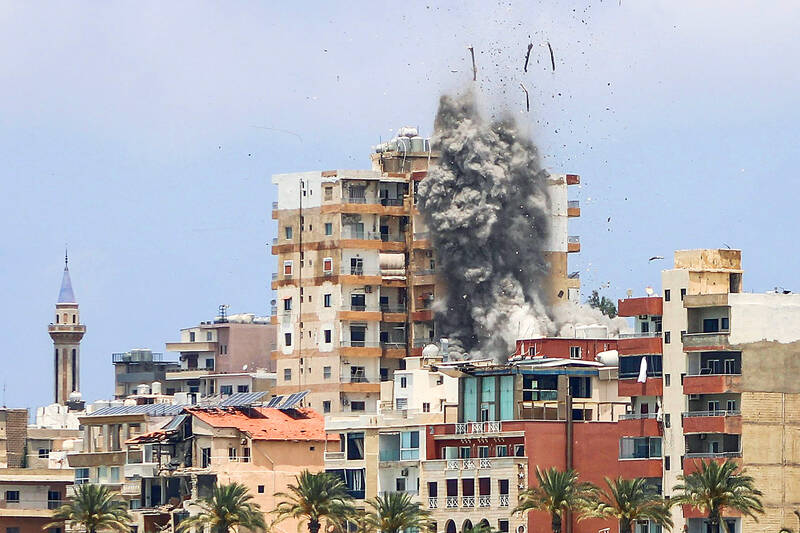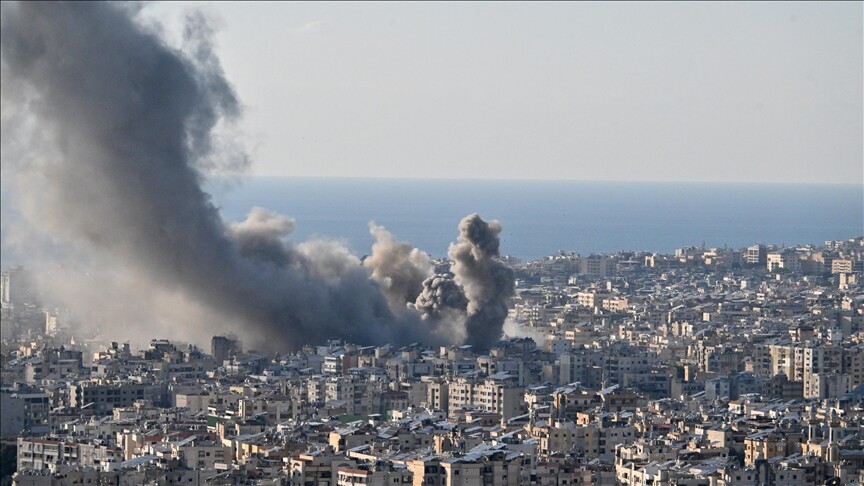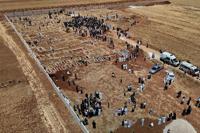
Four members of the al-Hariri family, a woman, her daughter, and her two sons, were tragically killed in Israeli strikes that targeted southern Lebanon. The devastating incident claimed the lives of these family members, prompting their subsequent burial. The interment ceremony took place on Wednesday, June 10, 2026, in Syria. Their deaths occurred amid a period characterized by ongoing and heightened regional tensions, showing the severe human cost of the prevailing instability in the Middle East.
Details of the Attack
The fatal strikes that resulted in the deaths of four members of the al-Hariri family occurred within the volatile territory of southern Lebanon. The deceased individuals included a mother, her daughter, and her two sons, whose lives were cut short by the military action. Following the tragic event, their bodies were prepared for transport across the international border into Syria. The chosen location for their final resting place was Busra al-Harir, a town of historical significance located in Syria's southern Daraa province. The timing of this incident, which saw the loss of an entire immediate family unit, falls squarely within a broader period of significantly heightened regional tensions and ongoing military engagements. The precision of the strikes and the immediate aftermath highlight the severe consequences faced by civilians caught in the crossfire of the regional conflict.
Burial in Syria
The deceased members of the al-Hariri family were solemnly laid to rest at a cemetery situated in Busra al-Harir, a town deeply rooted in Syria's southern Daraa province. This poignant burial ceremony occurred on Wednesday, June 10, 2026, just days after their deaths in the Israeli strikes that took place in southern Lebanon. The family, consisting of a mother, her daughter, and her two sons, had their bodies transported across the border to what is understood to be their ancestral home for the interment. The decision to bury them in Busra al-Harir shows potential familial ties to the Syrian town, providing a measure of solace in returning them to their origins. This deeply personal and tragic event unfolded amidst a period of ongoing regional tensions, which continue to claim lives and displace communities across the Levant. The transportation of the bodies across an international border for burial further emphasizes the interconnected nature of the conflict and its impact on families spanning national boundaries. The ceremony itself was a quiet but profound reflection of the human toll exacted by the persistent unrest.
Broader Conflict Context
The incident involving the al-Hariri family is classified under 'General News' and 'War And Unrest', reflecting its immediate and profound impact within the current geopolitical landscape. News reports covering these tragic events are also specifically tagged with '2024-2026 Mideast Wars'. These classifications are not merely administrative labels; they reflect the severe and widespread nature of the ongoing hostilities and their widespread impact across the entire region. The broader context provided by these tags indicates that the strikes in southern Lebanon, which tragically resulted in the deaths of the al-Hariri family members, are not isolated occurrences but rather integral components of a wider and sustained pattern of conflict. The designation '2024-2026 Mideast Wars' suggests an extended and defined period of regional instability, within which specific and devastating incidents like the al-Hariri family's deaths regrettably occur with increasing frequency. This categorization helps to frame individual events, however heartbreaking, within the larger narrative of continuous and often brutal conflict affecting multiple areas and populations throughout the Middle East. The ongoing nature of these conflicts means that civilian casualties, such as those suffered by the al-Hariri family, remain a grim reality, showing the urgent need for de-escalation and lasting peace. The tags serve as a stark reminder of the persistent and widespread nature of the violence.