The United States State Department commended Israel's release of Lebanese prisoners on Thursday, signaling Washington's ongoing engagement in regional diplomacy. This commendation from the State Department notes the significance of the recent developments in the complex relationship between the two nations. The State Department described the prisoner release as a demonstration of "good faith," a key element in fostering trust and progress in regional negotiations. This positive development comes as the U.S. Is actively preparing for the next round of Lebanese-Israeli talks, which are scheduled to take place in Rome later this month. These upcoming discussions are anticipated to build upon previous diplomatic efforts and aim to address ongoing issues between the two nations, moving towards more full resolutions. The article is approximately 2 minutes read, offering a concise overview of these important diplomatic movements.
Diplomatic Efforts Behind Release
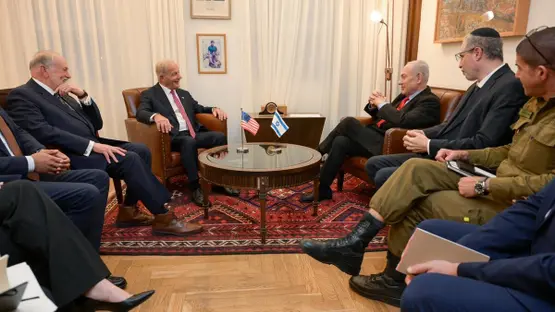
United States ambassadors in Lebanon and Israel finalized the release of Lebanese prisoners during Michel Issa's trip to Israel this week. This coordinated effort by American envoys shows the proactive role the United States plays in mediating disputes and facilitating dialogue in the Middle East. Issa, the US envoy to Beirut, played a central role in these negotiations, having met Israeli Prime Minister Benjamin Netanyahu during his earlier visit to Tel Aviv. His visit to Israel occurred on September 1, 2026, a key date in the timeline of these diplomatic maneuvers. During this visit, Ambassador Issa engaged directly with high-level Israeli officials, laying the groundwork for the successful prisoner exchange.
This diplomatic engagement builds on historical complexities between the two nations, including the tragic abduction and murder of Lebanese Jewish leaders in the 1980s. The coordination by US envoys, therefore, not only addresses immediate concerns but also navigates deep-seated historical grievances, demonstrating Washington's commitment to resolving long-standing issues. The diplomatic efforts involved direct communication and negotiation between the US representatives and Israeli officials to secure the prisoners' release, showcasing the intricate process of international mediation. The successful conclusion of this prisoner release is seen as a tangible result of sustained diplomatic pressure and engagement from the United States.
The Trilateral Framework Explained
Lebanon and Israel engaged in direct discussions on civilian matters during last month’s United States-mediated talks held in Rome. These discussions represented a critical step in normalizing aspects of the relationship between the two countries, focusing on practical issues that impact the daily lives of their citizens. The broader context for these discussions is the Trilateral Framework, described as a signed agreement involving the United States, Lebanon, and Israel. This framework serves as the overarching diplomatic structure guiding the peace process and aims to address long-standing issues between the two nations, according to information surrounding the agreement. The Trilateral Framework was established to provide a structured approach to resolving the multifaceted challenges that have historically plagued Lebanese-Israeli relations, with the United States acting as a key guarantor and facilitator.
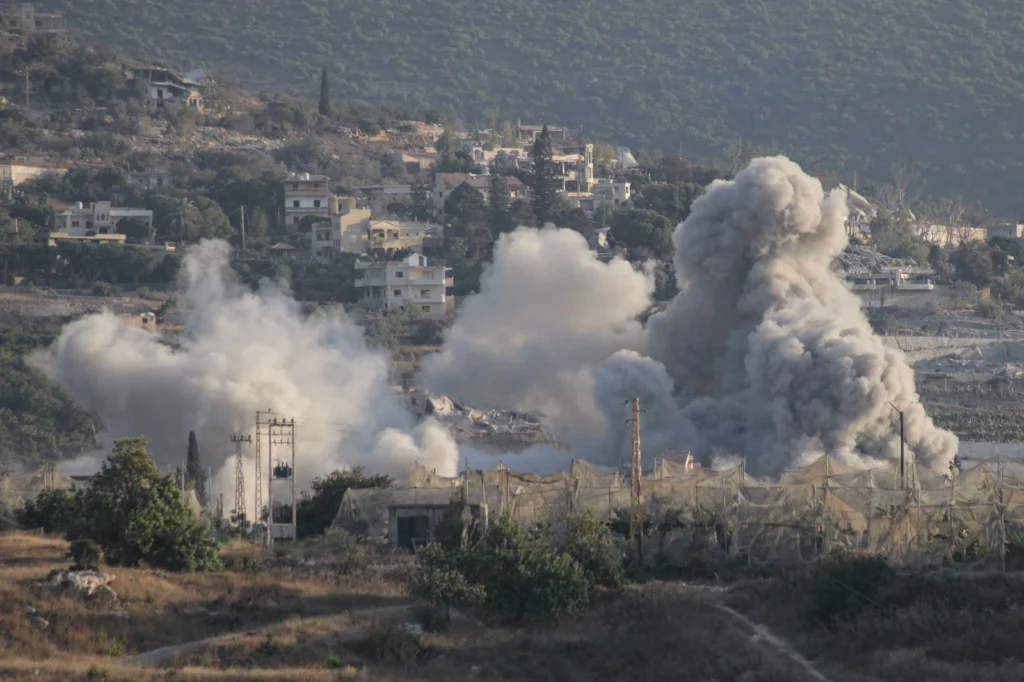
The Trilateral Framework’s stated objectives are ambitious and broad. They include leading to an Israeli withdrawal from Lebanon, a significant territorial and sovereignty issue that has been a point of contention for decades. Additionally, the agreement is intended to facilitate the disarmament of Iran-backed Hezbollah, a powerful non-state actor whose presence and arsenal have been a major source of instability in the region. These goals highlight the framework's ambition to resolve significant security and territorial concerns in the region, aiming for a full and lasting peace. The framework explicitly outlines a pathway for the removal of foreign forces and the neutralization of armed groups that operate outside state control, thereby seeking to strengthen Lebanese sovereignty and regional stability. The direct talks on civilian issues, therefore, represent one aspect of the ongoing diplomatic engagement under this wider trilateral arrangement, demonstrating a phased approach to implementing the framework's provisions. The discussions in Rome show the continued efforts to implement the framework's provisions and achieve its stated aims for regional stability, moving beyond initial agreements to concrete actions.
Context and Future Outlook
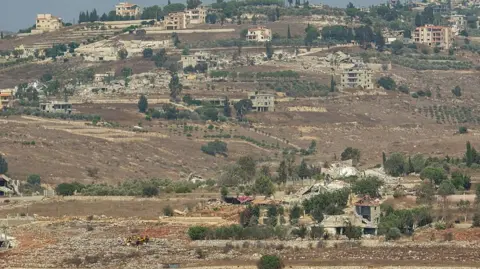
Israel agreed to release five Lebanese civilians who had been detained by Israeli forces in southern Lebanon. These individuals had been held for various reasons related to border security and regional tensions. In exchange for their release, Lebanon provided assistance in searching for the bodies of Lebanese Jewish leaders. These leaders were abducted and murdered by terrorist organizations in the 1980s, during Lebanon’s civil war, a period of profound instability and sectarian violence. The prime minister's office stated that these individuals were "abducted and murdered by terrorist organizations," showing the gravity of the historical injustice. The search for their remains represents a humanitarian gesture aimed at providing closure to their families and addressing a painful chapter in the region’s history.
This exchange follows a period when Hezbollah also took actions in 2006, further illustrating the complex and often volatile nature of the Lebanese-Israeli border and the broader regional security landscape. The cooperation between the two nations on this issue, despite their adversarial history, shows the complex historical context surrounding current diplomatic efforts and the potential for humanitarian considerations to bridge divides. The successful execution of this prisoner and body remains exchange demonstrates a willingness, facilitated by US mediation, to address sensitive issues that have long contributed to mistrust. Such exchanges are critical confidence-building measures that can pave the way for more substantive discussions on the Trilateral Framework's broader objectives, including security arrangements and border demarcation. The ongoing U.S. Efforts to facilitate further talks in Rome indicate a sustained commitment to fostering dialogue and pursuing a more stable future for both Lebanon and Israel.