Two people were killed by unexploded ordnance in southern Lebanon in recent days, according to reports released on 13 October 2026. Andrew Moore, the HALO Trust's regional director for the Middle East, North Africa, stated, "Any area that has been subject to extensive fighting and bombardment there will always be a certain proportion of the ordnance that fails to function as designed." He added, "The biggest issue in southern Lebanon is access." Regarding the risks residents face during the harvest season, Moore said, "The reality is people will always take risks if their livelihoods depend on them. If it's a choice between taking a risk of moving an item of ordnance or not harvesting your crops, then too many people do make the choice."
Fatalities During Olive Harvest
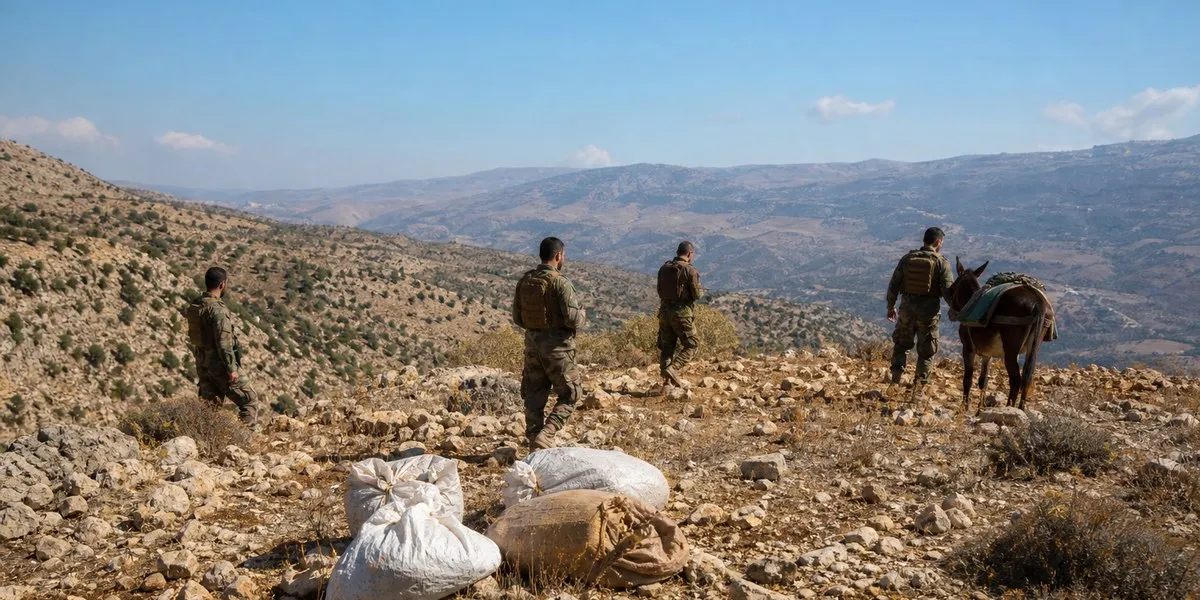
Hussein Ali Ramadan, an engineer, died on 11 October 2026 after an explosive device detonated while he was harvesting olives in Froun, located in the Bint Jbeil district. Hassan Bazzi, the mayor of Froun, described the incident as a grim indicator of the ongoing threats posed by munitions left behind. "What happened two days ago in our town, when a young engineer from Froun was killed while attempting to harvest olives, is painful evidence of the scale of this danger," Bazzi said. "It confirms that war does not truly end simply because military operations have stopped, as long as these remnants continue to threaten people's lives." He further emphasized the necessity of caution, stating, "Areas that have not undergone field surveys cannot be considered definitively safe."
Edgar Gillo, a warrant officer in the Internal Security Forces, died on 12 October 2026 following an explosion in the border town of Ain Ebel. Authorities have responded to the increased risk of unexploded ordnance by implementing new safety protocols in affected communities. Local municipalities, including Froun and Yater, have issued formal warnings to residents, advising them against entering olive groves without first consulting with municipal authorities.
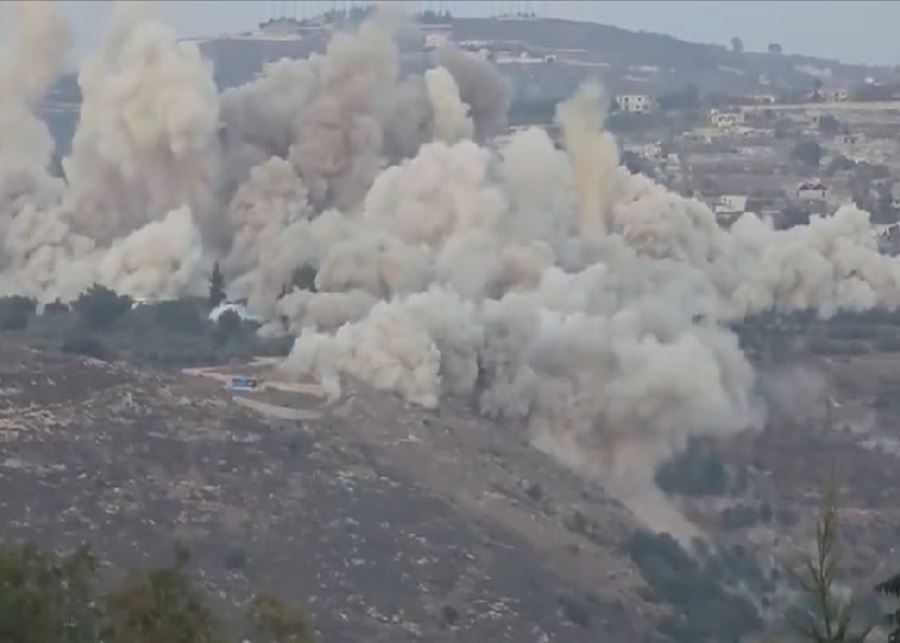
The Lebanese army is currently working to mitigate these hazards through active field operations. Military personnel have been conducting surveys and carrying out controlled detonations of unexploded ordnance in several areas, including Mayfadoun, Shaqra, and Baraachit. These efforts are intended to clear hazardous materials from agricultural land, although concerns remain regarding the total number of unexploded items scattered throughout the region. Officials continue to urge civilians to prioritize safety over immediate agricultural needs until these areas are officially cleared.