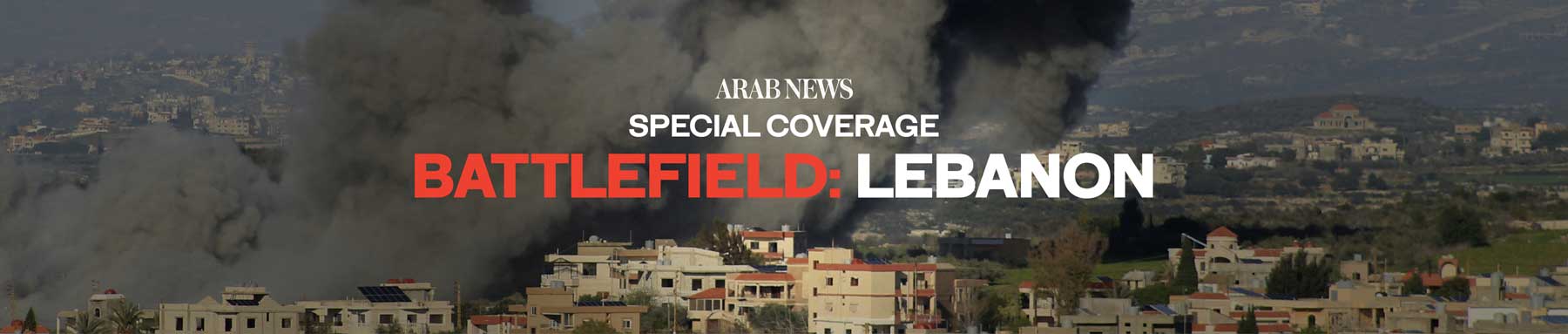
The United Nations reported on September 3 that the security situation along the Lebanon-Israel border has deteriorated sharply. The assessment detailed increasing instability near the Blue Line, the demarcation line between Lebanon and Israel. This deterioration has prompted significant concern from international observers. Simultaneously, the UN noted that thousands more patients within Gaza require specialized medical treatment that remains unavailable inside the territory. These patients face significant barriers to accessing necessary care, exacerbating an already dire humanitarian situation. The lack of access to specialized medical services within Gaza is a critical concern for humanitarian organizations.
Border Violations Escalate
United Nations peacekeepers documented a notable escalation in cross-border incidents. Specifically, UN peacekeepers reported 56 projectiles recorded on September 1, followed by a further 84 projectiles on September 2. This surge in activity shows the heightened tensions in the region. The United Nations characterized Israeli forces' air, ground, and naval operations, along with the fortification of positions north of the Blue Line, as violations of UN Security Council Resolution 1701 and Lebanon’s sovereignty. These actions contribute to the instability and pose a threat to regional peace.
The UN Interim Force in Lebanon (UNIFIL) also reported daily violations of Lebanese airspace, further indicating a pattern of infringement. Beyond aerial incursions, UNIFIL observed individuals appearing to be Israeli civilian personnel engaged in demolition work that supported military operations. This observation notes the multifaceted nature of the reported violations. In response to these developments, the United Nations called for the withdrawal of Israeli forces from positions located north of the Blue Line, emphasizing the need to respect the established demarcation and international resolutions. The ongoing violations pose a significant challenge to UNIFIL's mandate to maintain peace and security in the area of operations.
Gaza Humanitarian Operations
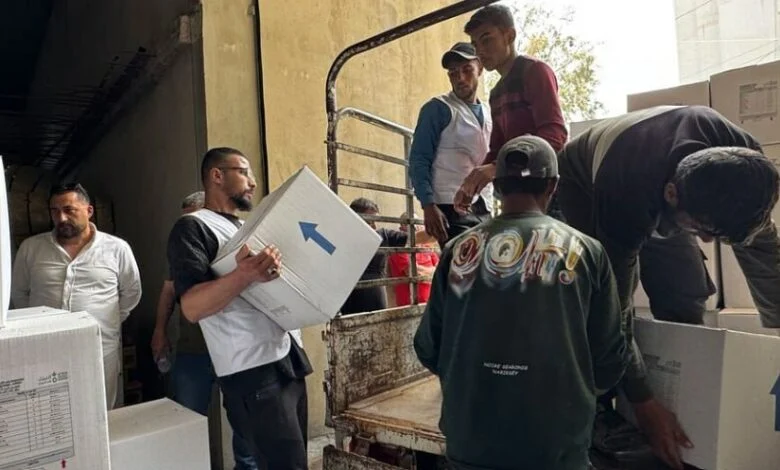
In Gaza, United Nations humanitarian teams collected hundreds of pallets of aid that arrived through the Kerem Shalom crossing. This key collection effort aims to distribute essential supplies within the besieged territory, where humanitarian needs are extensive. The aid includes food, medical supplies, and other vital provisions necessary for the survival of the civilian population. The process of collecting and distributing this aid is complex, given the operational challenges within Gaza.
Separately, the UN Interim Force in Lebanon (UNIFIL) facilitated 20 humanitarian missions in southern Lebanon. These missions were conducted between Monday and Wednesday, providing critical support to communities in the region that have been affected by the escalating tensions and cross-border incidents. The humanitarian assistance delivered through these missions addresses immediate needs, such as food distribution, medical assistance, and shelter support for vulnerable populations. The coordination of these missions is vital for ensuring aid reaches those most in need amidst the volatile security environment.
Medical Needs and Referral Gaps
The scale of the medical crisis in Gaza is stark. More than 13,000 patients have been medically evacuated from Gaza since October 2023, including over 6,000 children, the World Health Organization reported. These evacuations highlight the severe medical needs within the territory that cannot be met locally due to damaged infrastructure, lack of specialized equipment, and a shortage of medical personnel. The sheer number of children requiring evacuation shows the devastating impact of the crisis on the youngest and most vulnerable population.
The United Nations has called for the reopening of medical referral routes from Gaza to hospitals in the West Bank, including East Jerusalem. This access is key for thousands of patients requiring specialized treatment unavailable within Gaza. The closure or restriction of these routes severely impedes the ability of critically ill individuals to receive life-saving care. The UN emphasizes the urgent need for consistent and safe passage for these individuals to receive necessary care, which remains a significant humanitarian challenge. Ensuring these referral routes are consistently open and safe is critical to addressing the severe health crisis faced by the population of Gaza.