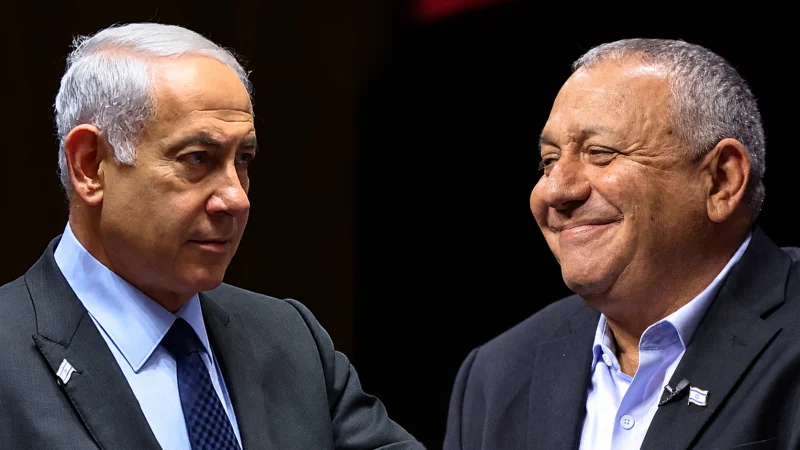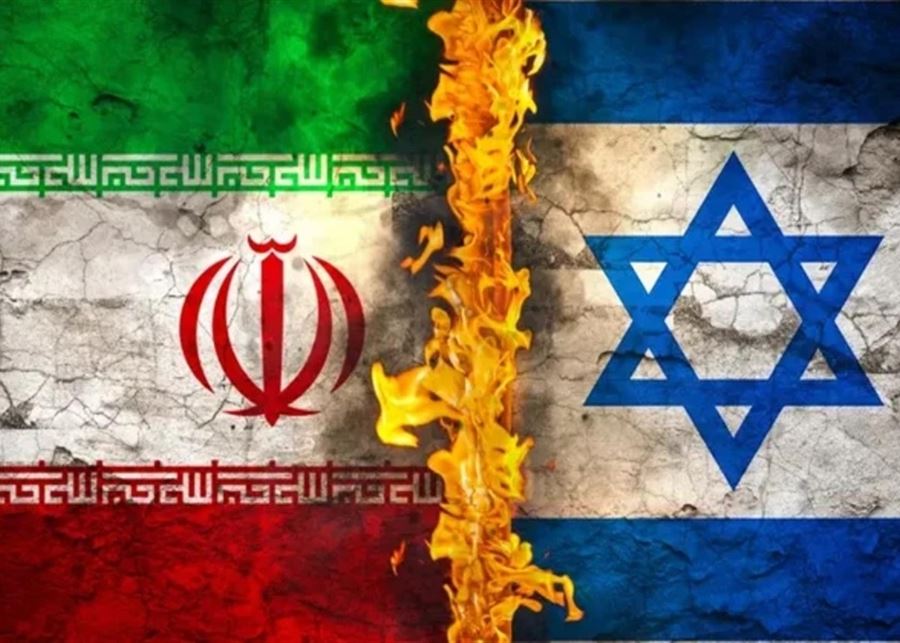
Iranian Foreign Ministry spokesperson Karim Saeed stated on 26 October 2026 that the results of the Israeli elections do not matter to Tehran. Officials in the Iranian capital maintain that the outcome of the vote does not change the stance of the government regarding regional policy. The Iranian Foreign Ministry spokesperson stated that the results of the Israeli elections do not matter to Tehran.
Tehran will host an upcoming meeting with members of the Mecca Agreement to address several regional issues. The discussions will cover Israeli expansionist policies, the situation in Lebanon, and the US war on Iran. An upcoming meeting with members of the Mecca Agreement in Tehran will discuss Israeli expansionist policies, the situation in Lebanon, and the US war on Iran.
The official position articulated by Karim Saeed serves as a formal declaration regarding the perspective of the Iranian government toward electoral processes occurring within Israel. By emphasizing that the specific outcome of the vote holds no significance for Tehran, the Foreign Ministry seeks to communicate a policy of detachment from the internal political shifts of the Israeli state. This stance is rooted in the broader assessment that the fundamental trajectory of regional policy in the capital remains fixed, regardless of the individuals or political parties who might emerge victorious from the voting process in Israel.
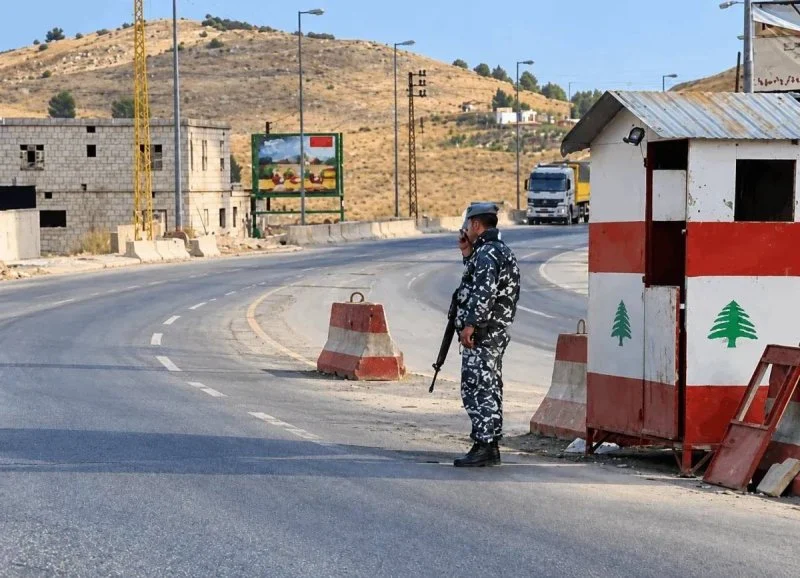
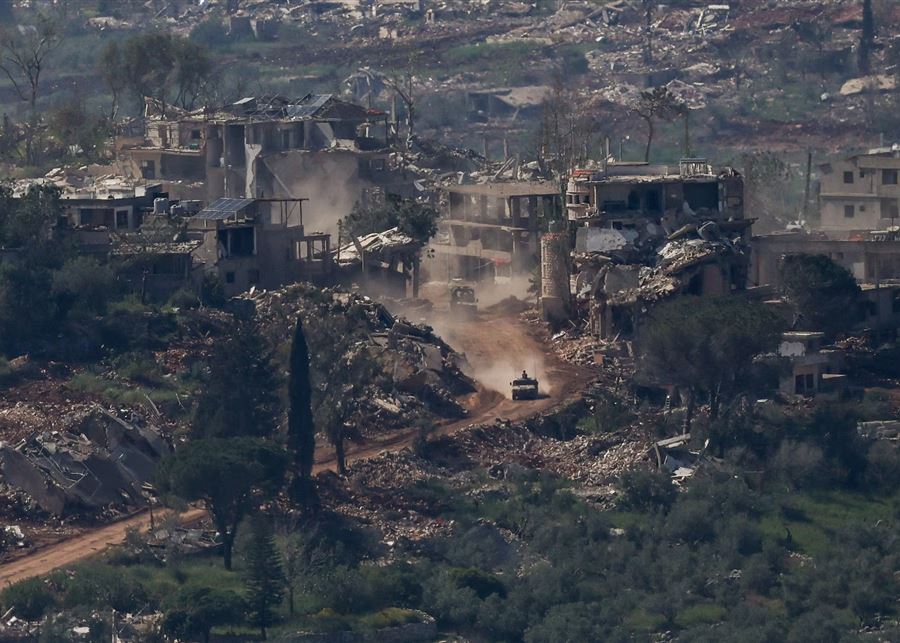
The diplomatic framework for the upcoming meeting in Tehran is designed to facilitate a structured dialogue among the signatories of the Mecca Agreement. This gathering represents a coordinated effort to align the perspectives of the participating members on a range of security and geopolitical concerns that currently impact the region. The agenda for these discussions is full, focusing on the specific challenges posed by Israeli expansionist policies, which remain a primary concern for the participants. The members of the Mecca Agreement intend to conduct a detailed assessment of the situation in Lebanon, examining the current stability and the external influences affecting the nation.
A significant portion of the meeting will be dedicated to the ongoing conflict characterized by the participants as the US war on Iran. The members of the Mecca Agreement are expected to evaluate the implications of this conflict and coordinate their regional responses accordingly. The meeting, hosted in the Iranian capital, provides a centralized platform for these discussions to occur, ensuring that the representatives of the Mecca Agreement can deliberate on the developments that directly affect their shared interests.
The consistency of this diplomatic approach is intended to signal to international observers that the government in Tehran is prioritizing its existing alliances and strategic commitments. By convening the members of the Mecca Agreement, the Iranian leadership aims to reinforce a unified front against what it describes as the problematic regional policies of Israel. The focus on the situation in Lebanon and the US war on Iran indicates that the meeting will move beyond theoretical discussions to address active areas of friction.
Karim Saeed has reiterated that the Iranian Foreign Ministry remains committed to its established regional policy, which is not subject to the outcomes of foreign elections. This adherence to a predetermined policy path is presented as a stabilizing factor in the foreign relations of the country. The upcoming meeting in Tehran is viewed by the Iranian government as a vital step in maintaining the cohesion of the Mecca Agreement members as they navigate the complexities of the current regional landscape.
The discussions regarding Israeli expansionist policies will be conducted with the intent of formulating a collective response. Similarly, the examination of the situation in Lebanon will rely on the shared intelligence and political assessments of the participating members. The inclusion of the US war on Iran as a central topic of the agenda shows the gravity with which the members of the Mecca Agreement view the current military and political pressure being exerted on the region.
As the date for the meeting in Tehran approaches, the Iranian Foreign Ministry continues to emphasize that the diplomatic efforts of the government are focused on these regional priorities. The detachment from the Israeli electoral process is a deliberate strategy to maintain a focus on the long-term objectives of Tehran, as dictated by the leadership and the institutional framework of the Iranian state. The meeting with the members of the Mecca Agreement will provide the necessary forum for these discussions to evolve into actionable policy decisions.
The participants in the meeting will be tasked with evaluating how the situation in Lebanon has changed in recent months and how those changes impact the broader regional security architecture. The discussions on the US war on Iran will similarly require a deep dive into the strategic maneuvers and the ongoing impact of these hostilities on the stability of the region. By hosting this event in Tehran, the government is asserting its role as a key coordinator for the members of the Mecca Agreement.
The formal statements provided by Karim Saeed ensure that there is no ambiguity regarding the stance of the Foreign Ministry toward the Israeli electoral results. This clarity is intended to prevent any misinterpretation of the diplomatic priorities of Tehran. The upcoming meeting is expected to produce a series of conclusions that reflect the unified perspective of the Mecca Agreement members on the issues of Israeli expansionist policies, the situation in Lebanon, and the US war on Iran.
The emphasis on these three specific areas of concern notes the core of the regional agenda for the participants. Each topic is treated as a critical component of the broader efforts to manage the impact of external policies on the stability and security of the region. The government in Tehran remains focused on the outcomes of this meeting as a primary indicator of the effectiveness of its regional diplomatic strategy. The ongoing nature of the US war on Iran, in particular, ensures that the discussions will remain focused on the immediate security challenges facing the members of the Mecca Agreement. The meeting in Tehran is therefore structured to address these urgent concerns with the full participation of all members of the agreement.