Lebanon is closely monitoring the Israeli elections scheduled for Tuesday, October 27, 2026. Political uncertainty in Israel remains a primary concern for officials in Beirut as the voting process approaches. The anticipation surrounding the electoral event has prompted significant attention from various sectors within Lebanon, as the leadership transition in Israel holds potential consequences for the neighboring state.
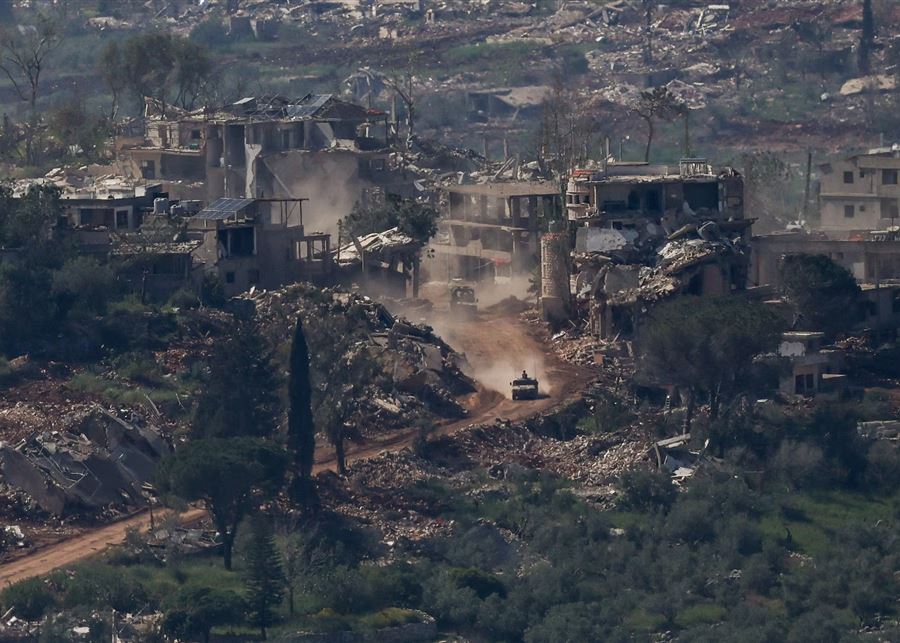
L'Orient-Le Jour published an analysis by journalist Salah Hijazi on October 26, 2026, regarding the impact of the Israeli elections on Lebanon. The report examines how the outcome of the ballot may influence regional stability and the current security situation in South Lebanon. Readers and government leaders alike are evaluating potential shifts in policy as the Israeli electorate prepares to head to the polls. The proximity of the vote leaves observers waiting for clarity on the future direction of government leadership in Israel and the resulting implications for the border region. The analysis provided by Salah Hijazi notes the specific concerns held by Beirut regarding the continuity of current security arrangements and the potential for shifts in diplomatic strategy following the conclusion of the voting process.
Candidates and Political Landscape
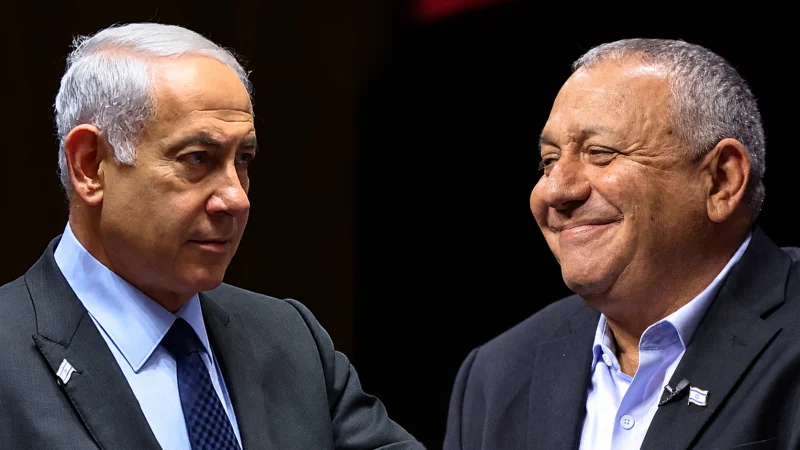
The Washington Post published a report on October 21, 2026, regarding the differences between Benjamin Netanyahu and his rivals, including Gadi Eisenkot and Naftali Bennett. This analysis focuses on the competing visions presented by these candidates as the electorate prepares to cast ballots. Each candidate offers different approaches to governance and security, which remain points of interest for regional neighbors observing the process. The Washington Post report details the specific policy platforms of Benjamin Netanyahu, Gadi Eisenkot, and Naftali Bennett, noting how their respective backgrounds influence their proposed strategies for internal governance and external security relations.
Israeli parliamentary elections determine the composition of the Knesset, which consists of 120 seats. Forming a government coalition requires a candidate to secure a majority of 61 seats. Political parties often participate in negotiations to reach this threshold, a process that follows the counting of votes. The distribution of these 120 seats dictates the leadership and policy direction of the incoming government. Because no single party typically holds an absolute majority of the 120 seats, the post-election period is characterized by intense coalition bargaining. The requirement of 61 seats ensures that smaller parties often play a decisive role in determining the final shape of the government. For Lebanon, the duration of these coalition negotiations is a matter of interest, as it impacts the timeline for the establishment of a new administration in Israel and the subsequent articulation of that government's regional policies. The political landscape leading into the Tuesday, October 27, 2026, elections remains highly fluid, with the electorate’s decision on the 120 Knesset seats serving as the primary driver for the country's future policy trajectory.