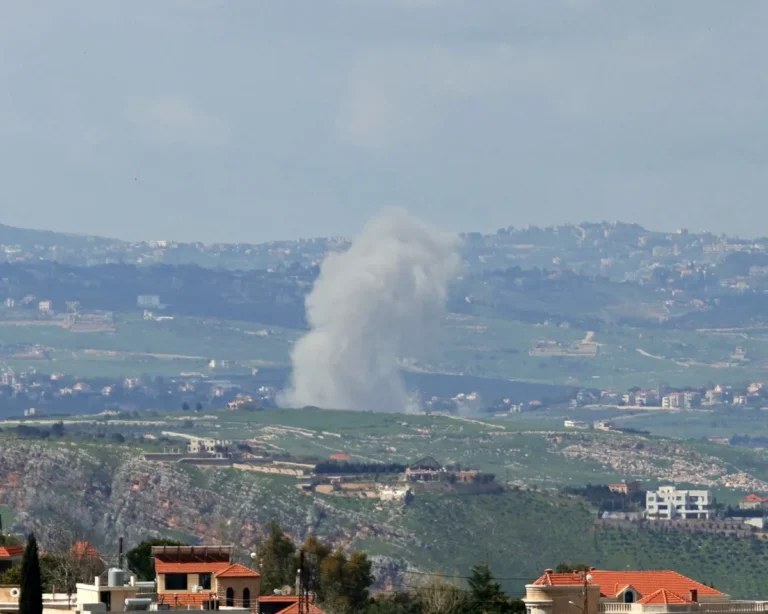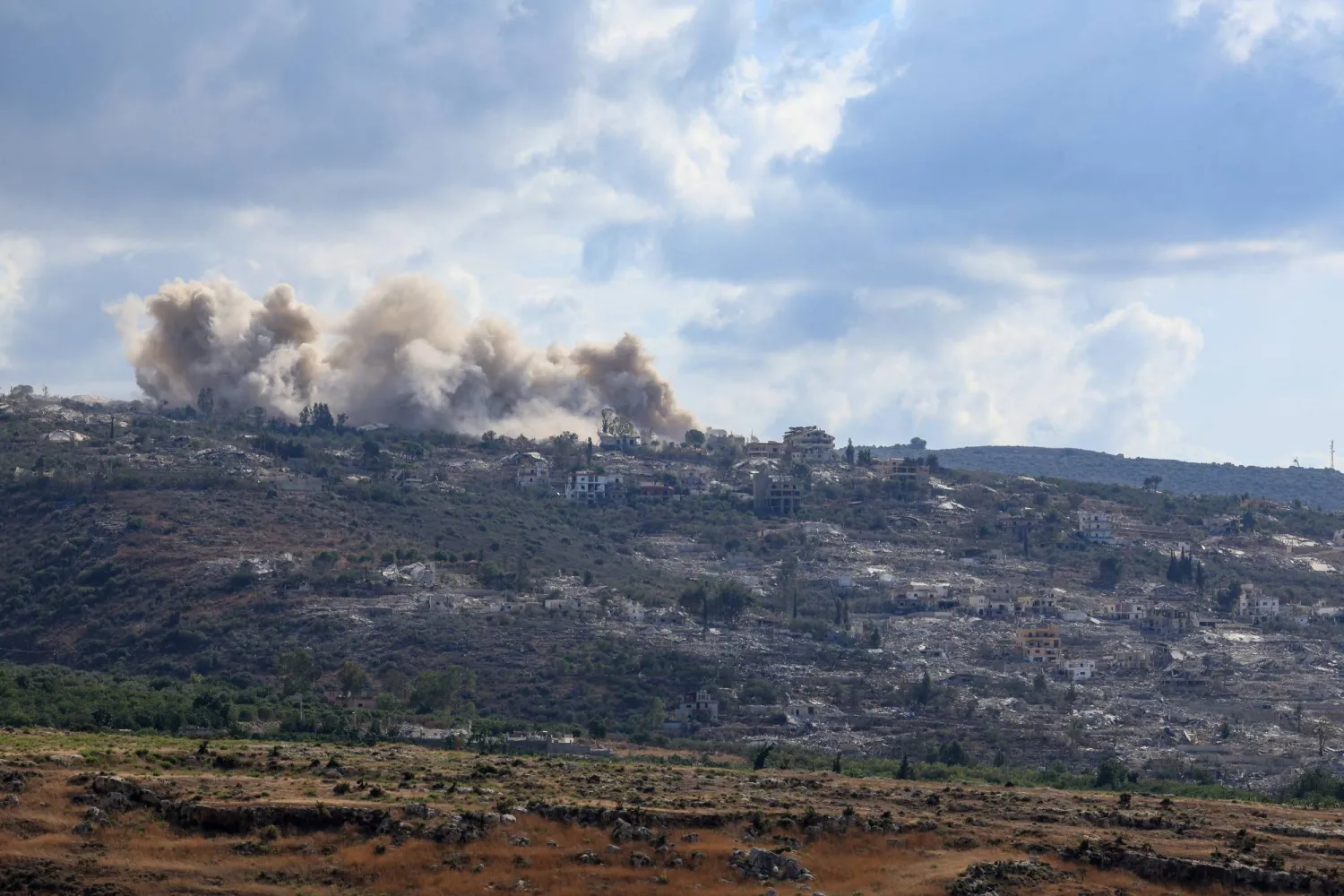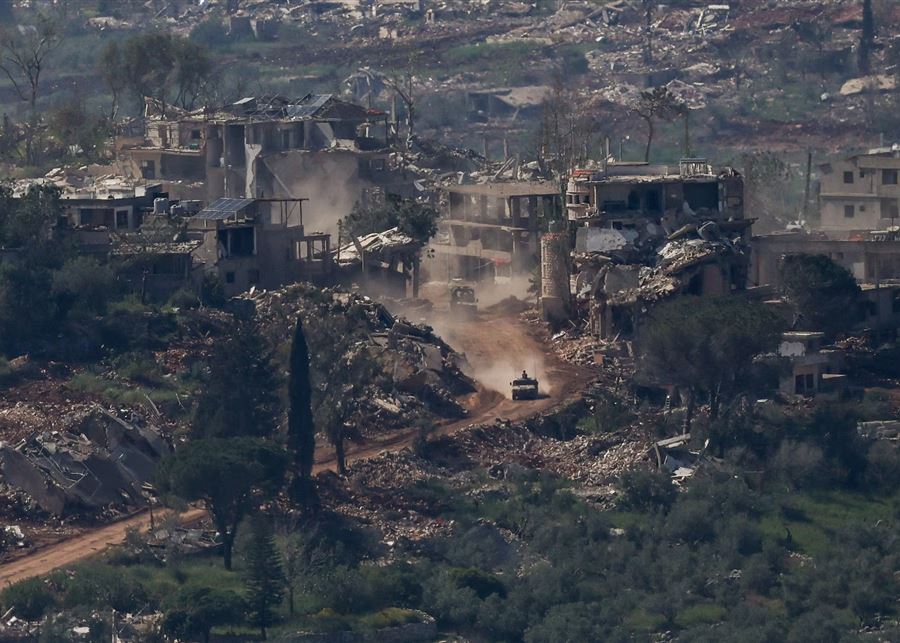
Lebanon is currently experiencing a period of destructive war, economic and financial collapse, and institutional disintegration. These overlapping crises have left the country struggling to maintain basic functions while the state faces severe instability. Internal structures continue to weaken as the nation deals with the consequences of ongoing conflict and the breakdown of its financial systems. The current situation impacts all levels of public administration and daily life across the territory. Government operations remain hindered by the broader systemic failures, preventing effective responses to the mounting challenges. Officials and institutions find their authority and operational capacity diminished by these conditions. The combination of these factors creates a cycle of stagnation that prevents recovery or the restoration of standard governance. Lebanon is currently facing a destructive war, economic and financial collapse, and institutional disintegration, which collectively undermine the ability of the state to provide essential services to its citizens.
Roots of Financial Collapse
Lebanon entered a period of systemic financial collapse in 2019, an event that marked the onset of the country’s current economic instability. This downturn, which severely constrained the operational capacity of state institutions, remains a primary driver of the ongoing institutional stagnation. The Lebanese financial collapse began in 2019, and the subsequent fiscal erosion has left the public sector struggling to manage its basic obligations or maintain the integrity of its administrative departments.
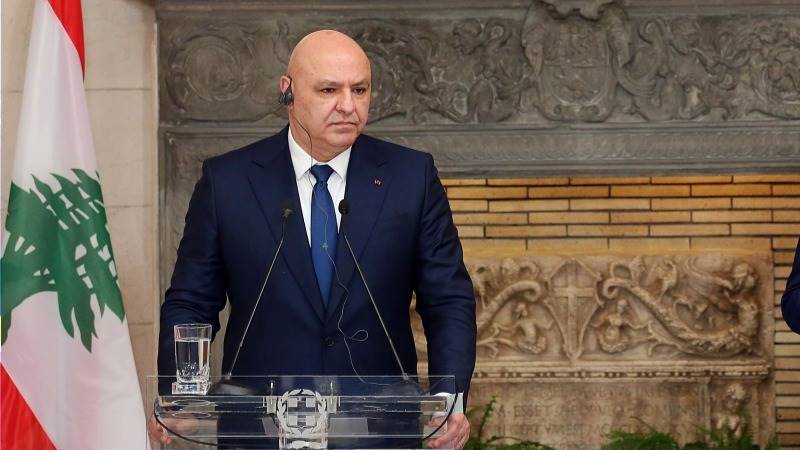
President Joseph Aoun and Prime Minister Najib Mikati are currently adopting a policy of containment toward Parliament Speaker Nabih Berri. President Joseph Aoun and Prime Minister Najib Mikati are adopting a policy of containment toward Parliament Speaker Nabih Berri as a strategic response to the shifting power dynamics within the Lebanese political landscape. This political maneuver reflects the internal tensions between the leadership figures as they manage the limitations of the state during the broader crisis. The decision to pursue this policy signifies a calculated effort by the executive branch to navigate the influence wielded by the legislative leadership. Observers within the government structure note that these dynamics influence the decision-making processes regarding public appointments and legislative functions.
Recent administrative appointments have become a source of friction within the government. Specifically, the appointments for the head of the Lebanese University, the Governor of Nabatieh, and a member of the Railway Board have faced objections. Recent administrative appointments, including the head of the Lebanese University, the Governor of Nabatieh, and a member of the Railway Board, have faced objections due to sectarian and political quotas. Critics of these selections cite the influence of sectarian and political quotas as the primary cause for the disputes. These disagreements over the distribution of positions illustrate the challenges in maintaining functional public administration when institutional processes are subject to competing political interests. The inability to reach consensus on these roles further hinders the government's capacity to address the national crisis effectively, leaving key positions vacant or contested while the country remains in a state of paralysis. As the disputes persist, the government finds its ability to enact necessary reforms further compromised by the entrenched nature of these political divisions.