Syrian travelers crossing into Lebanon are reportedly paying significantly inflated fees to an illicit network of brokers, fixers, and travel agencies. These individuals demand up to 60 times the official entry fee from those seeking to enter Lebanon from Syria. The payments are observed at border crossings, including the Al-Masnaa border crossing, and affect Syrians traveling between the two countries. The practice notes the exploitation faced by Syrian citizens attempting to cross into Lebanon, who are often desperate for passage and vulnerable to such predatory schemes. The exorbitant charges imposed by this shadow network show a significant challenge for those seeking entry into Lebanon from Syria.
Exorbitant Border Fees
Travelers seeking to enter Lebanon from Syria face significantly higher fees from an illicit network compared to official charges. Lebanon's General Security Directorate levies official fees of up to $75 for entry for Syrian citizens. This official charge contrasts sharply with the amounts demanded by the illicit network, which can be up to 60 times higher than the government's stipulated fees. The shadow network demands substantially more for various stay durations, presenting a steep financial barrier for many.
For a 48-hour stay, the network charges approximately $180, a significant increase over the official fee. A one-week visit costs around $260 when arranged through these channels, illustrating the escalating costs for even short durations. For individuals seeking a longer duration, a one-month stay commands a fee of $400. An option for a six-month stay, which was previously available, was priced at $1,500 but is currently suspended, indicating potential shifts in the network's offerings or operational constraints. The most expensive option identified involves arranging an annual residence, which costs approximately $4,700 through the network. These figures show the vast disparity between official government fees and the amounts travelers are compelled to pay to enter Lebanon, reflecting a parallel system designed to profit from their urgent travel needs. The fees vary based on the desired length of stay, with longer periods incurring substantially higher costs, extending into thousands of dollars for an annual residence.
Tightening Market Dynamics
The parallel market for border procedures has tightened sharply since Bashar al-Assad's fall in December 2024. This development has further impacted Syrian travelers attempting to cross into Lebanon, making their passage more complicated and costly. Individuals using these unofficial channels are reportedly instructed to conceal the involvement of drivers or agencies in arranging their paperwork. Travelers must not reveal to Lebanese General Security personnel that a driver or agency arranged their paperwork, according to reports from within the network. This instruction suggests a need for extreme discretion on the part of travelers, indicating an unofficial and potentially illicit nature of the services provided. The increased scrutiny surrounding border crossings has contributed to the more complex and covert operations of these shadow networks, forcing them to adapt their methods to avoid detection by authorities. The tightening market dynamics also imply increased risks for both the network operators and the travelers relying on their services.
Traveller Precautions and Risks
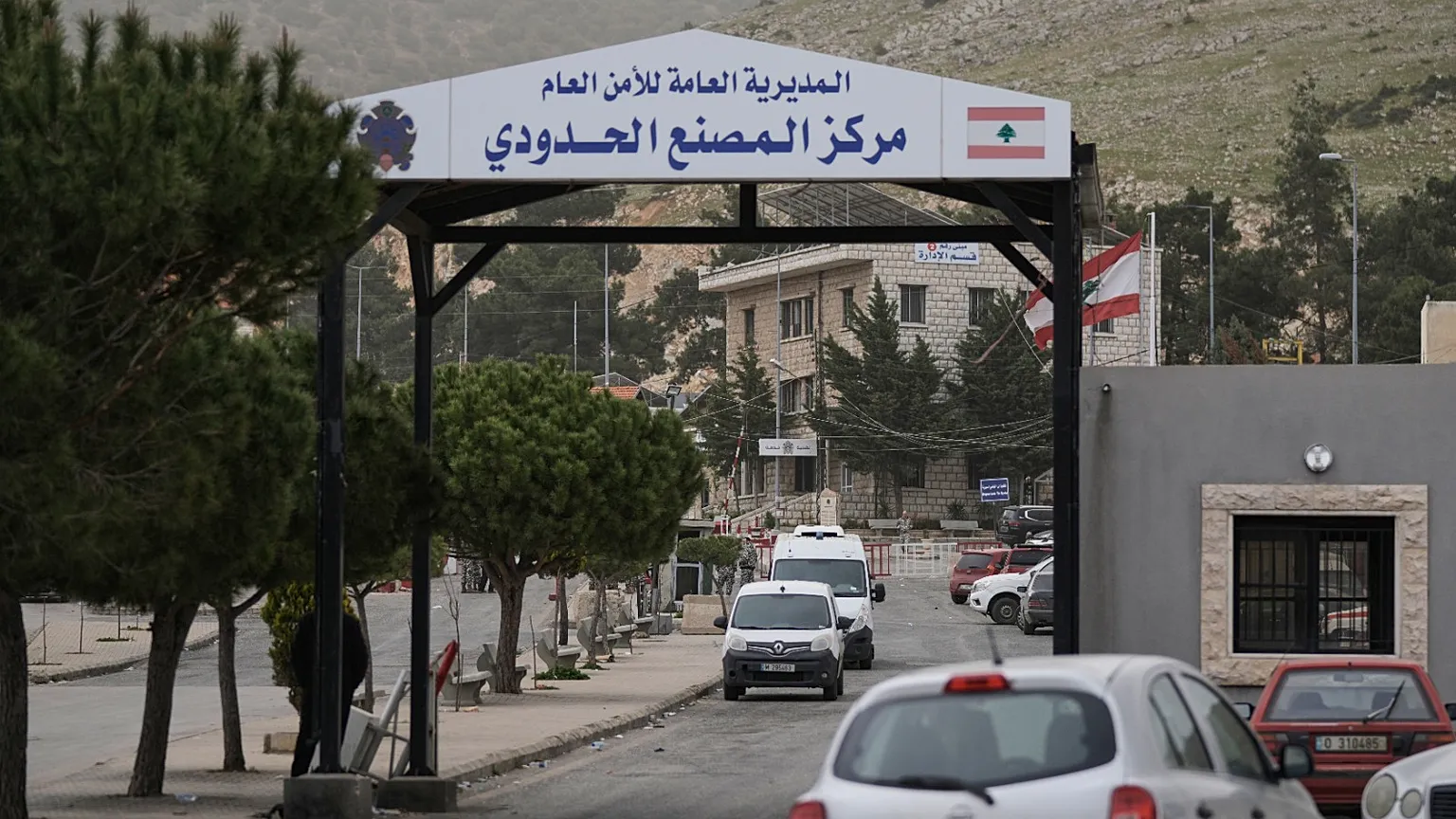
Syrian travelers are reportedly advised on how to navigate border procedures to avoid issues with Lebanese authorities. Instructions within the network indicate that travelers should not disclose to Lebanese General Security personnel that their paperwork was arranged by a driver or an agency. This critical guidance suggests an effort to obscure the informal and potentially illegal nature of the arrangements made for entry into Lebanon. The advice notes the precarious situation faced by individuals relying on these unofficial channels for passage, as any disclosure could lead to complications or denial of entry. Such precautions are particularly relevant at key entry points, including the Al-Masnaa border crossing in the Bekaa Valley, eastern Lebanon, where these services are reportedly active. This crossing was active on Sunday, April 5, 2026, showing the ongoing nature of these illicit operations. The need for such careful navigation by travelers shows the risks involved in engaging with these shadow networks, who often operate outside legal frameworks and exploit vulnerabilities.