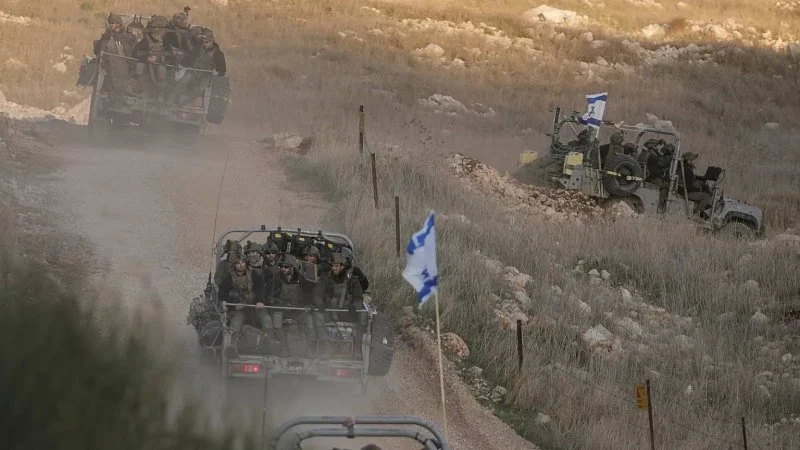
The National Interest published a report on 26 October warning of a potential long-term Israeli occupation of southern Lebanon. Foreign policy analyst Alexander Langlois authored the document, which identifies the prospect of a sustained military presence in the area. The analysis examines the strategic implications for the region should such a deployment continue. Officials have not provided a specific timeline for the withdrawal of forces from the territory. The findings appear as international attention remains focused on security developments involving Israel and its neighbors. Future regional stability may depend on the duration of these operations and the response from international stakeholders.
The report by foreign policy analyst Alexander Langlois published by The National Interest specifically notes that the current military strategy could transition into a permanent fixture of the landscape. By evaluating the logistical and political requirements of maintaining a standing force, the document suggests that the absence of a clear exit strategy increases the likelihood of a prolonged stay. Such an outcome would fundamentally alter the security architecture of the border zone.
Stalled Diplomatic Negotiations Continue
United States officials hosted the eighth round of Lebanese-Israeli negotiations, but the sessions concluded on 26 October without any breakthrough. Diplomatic efforts remain hampered by the lack of consensus between the parties regarding the security framework in the border region. The failure to reach an agreement during this eighth round of United States-hosted talks shows the deep divisions that persist between the two sides. Without a breakthrough, the prospect of a diplomatic resolution remains distant, leaving military operations as the primary driver of events on the ground.
Humanitarian conditions continue to deteriorate as a result of the ongoing conflict. Records indicate that more than 350,000 Lebanese have been displaced from their homes. The total number of displaced persons across the country during the war has now exceeded one million, placing significant strain on aid organizations and local infrastructure. The sheer scale of this displacement creates a secondary crisis, as resources are stretched thin to accommodate the influx of individuals fleeing the conflict-affected areas.
Public opinion within Israel appears to favor the current military trajectory. Surveys cited in the report from The National Interest indicate that approximately 80% of Jewish Israelis support the continuation of military operations in Lebanon. This high level of domestic backing complicates the path toward a negotiated settlement, as the government faces pressure to maintain its current security posture. The alignment between public sentiment and government policy suggests that the military campaign will likely remain a priority for the foreseeable future.
Historical precedents often inform discussions regarding the current military deployment. The Israeli occupation of Lebanon that occurred between 1982 and 2000 lasted 18 years. Analysts looking at the present conflict point to this duration as a reference point for how long a military presence in southern Lebanon could potentially persist if current diplomatic efforts fail to produce a resolution. By comparing the current situation to the 18-year occupation that spanned from 1982 to 2000, observers emphasize that the risks of a long-term engagement are grounded in established historical experience.