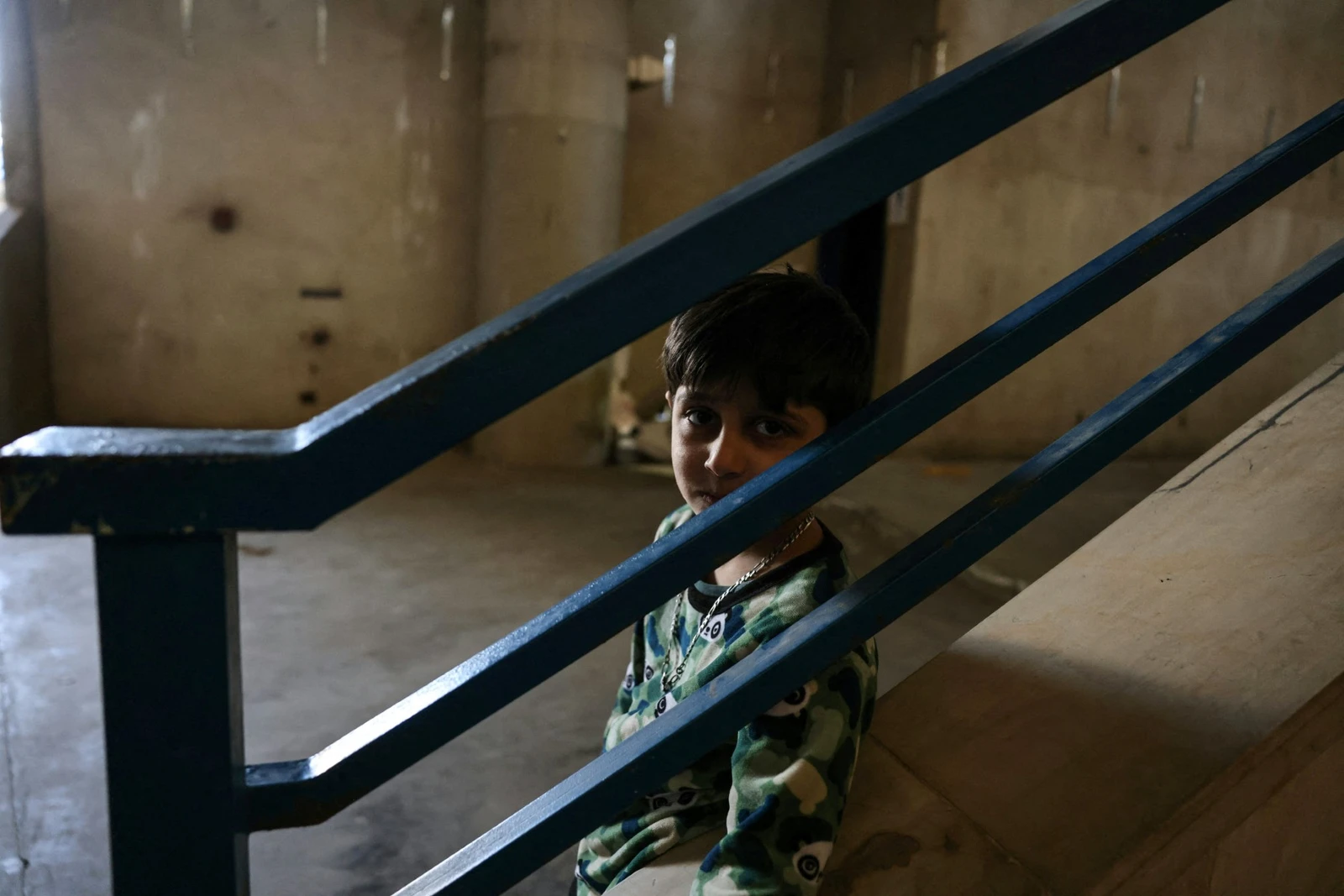
Nine-year-old Abbas Sadraha is currently residing with his family in a public school in Beirut, which has been converted into a temporary shelter for displaced individuals. The family was forced to relocate after a June ceasefire agreement led to the cessation of electricity and water services at a Lebanese University facility where they had been sheltering. This abrupt change showed the precarious nature of their displacement, compelling them to seek new refuge. Abbas's family of four shares a single classroom corner with two other families, using curtains to create makeshift divisions for privacy. This arrangement notes the severe lack of adequate housing and personal space available to those uprooted by the conflict.
Abbas expressed his longing for normalcy, stating, "I wish I could go back to school." His situation reflects that of approximately 350,000 people who remain displaced across Lebanon, including residents whose villages have been destroyed and communities contending with ongoing conflict. These individuals face an uncertain future, with many struggling to meet basic needs and re-establish a sense of stability. The public school provides a temporary refuge for those affected by these circumstances, but it is far from a permanent solution. For many, these converted schools represent the last resort, offering shelter in spaces originally designed for learning.
Lives in Limbo: Shelter and Daily Struggles
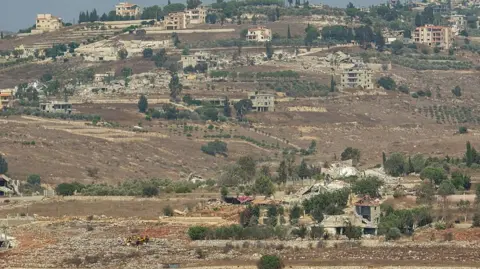
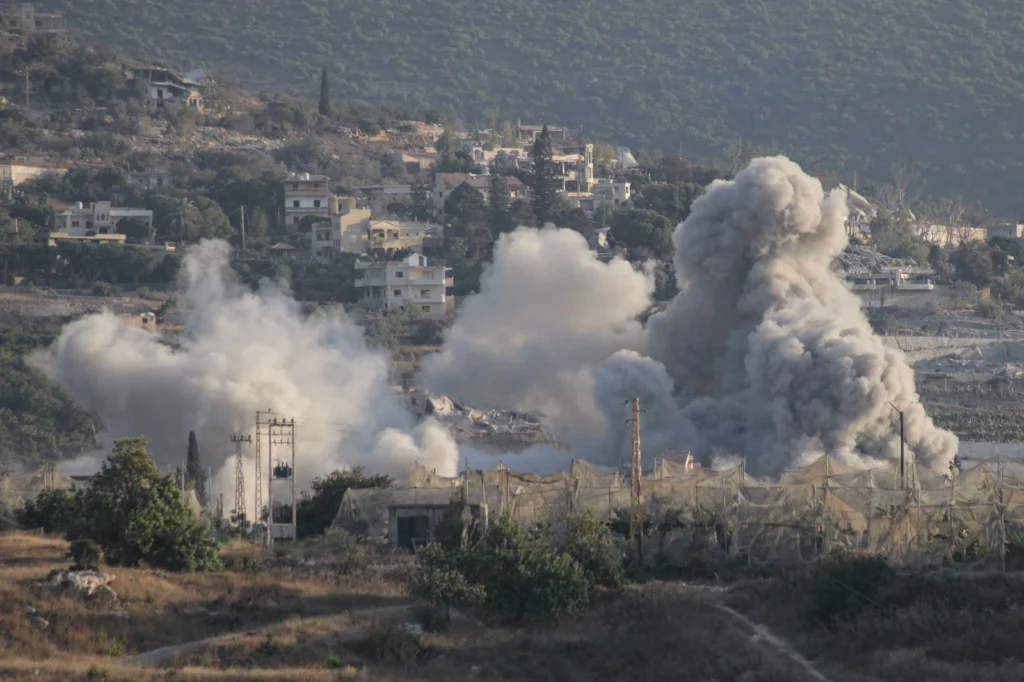
Abbas Sadraha's family fled their home in Arnoun Al-Shaqif, near Nabatieh, on March 3 following an exchange where Hezbollah fired six rockets and Israel responded with heavy strikes on southern villages. This rapid escalation of hostilities forced countless families like Abbas's to abandon their homes with little warning, leaving behind their possessions and livelihoods. Daad, Abbas's mother, stated, "Our home in Arnoun Al-Shaqif was bulldozed by the Israelis." This devastating loss of their family home adds another layer of trauma and financial burden to their already challenging circumstances. She also expressed deep concern for her children's schooling, adding, "I don’t want my children to lose a year of education on top of everything they have already suffered because of the war." Her plea shows the profound impact of displacement on the educational prospects of thousands of children.
Following a June ceasefire agreement, thousands of displaced people initially left tents and other temporary shelters, hoping for a return to normalcy. Despite this, approximately 21,000 displaced individuals continue to reside in public schools that the Lebanese state converted into shelters seven months prior. These families often face challenging living conditions; those occupying classrooms share a single bathroom and a common refrigerator located in the corridor. This communal living arrangement, while providing shelter, offers minimal privacy and can lead to increased stress and health concerns. The shared facilities show the strained resources available to support the displaced population. At the school where Abbas's family is staying, remaining families will be transferred to another designated shelter school, according to officials, as part of the Ministry of Education's efforts to reclaim classrooms for the upcoming academic year.
The economic strain on these families is severe. Daad lamented, "I can’t afford that anymore," referring to basic necessities like internet access for her children's online learning. Her husband, a painter, is currently unemployed in Beirut, where he feels like a stranger, struggling to find work in an unfamiliar city. This lack of income exacerbates their financial precarity, making even small expenses a significant burden. Daad described a profound sense of loss and abandonment, stating, "There is no taste to food anymore and no comfort in sleep. We are people of the south. Our homes used to be full of supplies and we would help anyone in need. Today, we cannot find anyone to stand by us." She added, "We feel abandoned. Nobody asks about us. We borrow $10 just to survive below even the minimum." The challenges extend to property damage, as noted by Wissam Atwi, whose home in Shaqra was damaged in a previous conflict. Atwi received compensation for only about 15 percent of the repair cost, leaving him with a substantial financial shortfall to rebuild his life. He has exhausted his savings and can no longer afford his daughters' education, even in the public system, further illustrating the devastating economic consequences of the conflict.
Education Crisis Deepens
Daad, mother of nine-year-old Abbas Sadraha, is prioritizing her children's education but stated she can no longer afford internet access for online learning. "I can’t afford that anymore," Daad said, also emphasizing her desire to protect her children's academic progress. "I don’t want my children to lose a year of education on top of everything they have already suffered because of the war." The ongoing conflict has damaged 340 schools to varying degrees, with many suffering severe structural harm. At Layal Al-Fata's school in Beirut, the number of displaced families decreased from 77 to 22, indicating some movement of affected populations, though many still remain in temporary educational facilities.
An assessment conducted by the Arab Center for Research and Policy Studies warned of a "lost generation" due to the significant disruption in education. This stark warning notes the long-term consequences of the current crisis on Lebanon's youth. The assessment found that reading and writing levels among some sixth-grade pupils were equivalent to only about 4.5 years of schooling, indicating a substantial learning deficit. More than half of first-grade pupils lacked basic math skills, and eight out of 10 sixth-grade students had not mastered division, pointing to fundamental gaps in core subjects. The educational crisis extends beyond primary education: over half of displaced children were not enrolled in primary education, and 60 percent of displaced adolescents were not attending high school. This widespread disruption threatens to undermine the future prospects of an entire generation. The crisis extends beyond academics, with seven in 10 children showing symptoms of anxiety, and six in 10 displaying symptoms linked to depression, reflecting the severe psychological toll of displacement and conflict. During the first month of the latest escalation, approximately 400,000 children were among 1 million people forced from their homes, showing the massive scale of human displacement and its impact on the youngest and most vulnerable.
Ministry's Balancing Act and Funding Shortfalls
The Ministry of Education is currently balancing the needs of displaced families with the requirement to return classrooms for the upcoming school year. This delicate balancing act involves ensuring that displaced families have continued shelter while also preparing educational facilities for students. Authorities are consolidating remaining displaced populations into fewer designated centers as part of this effort, a logistical challenge that aims to free up schools for their intended purpose. Open-source reports indicate that more than 100 schools were destroyed or severely damaged, further complicating the educational landscape and limiting the available infrastructure for both displaced persons and returning students.
Rima Karami, minister of education and higher education, acknowledged the challenging start to the new school year. "The launch of the new school year may not be complete and it will be difficult, but we will be able to restore regularity and return our children to their classrooms," Karami stated, expressing a commitment to overcoming these hurdles. She added that "the ministry was faced with needs that far exceed the available funding," describing the ability of Lebanon’s education system to continue to function at all under current conditions as "almost a miracle." This candid assessment shows the severe financial constraints under which the ministry operates. Karami described the education system's ability to function under current conditions as 'almost a miracle' due to needs exceeding funding, emphasizing the extraordinary efforts required to maintain even a semblance of educational continuity.
The ministry plans to merge struggling public and secondary schools to reduce expenditure and improve resource allocation, a measure necessitated by the dire economic situation. Karami also noted the difficulties in compensating staff, stating, "There are teachers who have already taught and whom we have still not been able to pay. I do not want to make commitments to any teacher before I am able to pay their salary and give them their rights." This situation creates immense hardship for educators, many of whom are themselves struggling with economic precarity. She concluded, "There is no education professional anywhere in the world doing what educators in Lebanon are doing under these circumstances," a testament to the resilience and dedication of the country's teaching force despite overwhelming obstacles.
Voices of Despair and Resilience
Daad’s husband, a painter, is currently unemployed in Beirut, where he feels like a stranger, unable to find work and provide for his family. Wissam Atwi and his family spent nine days sleeping on the roadside after fleeing Shaqra before finding shelter in a Beirut school. This desperate ordeal notes the immediate and severe impact of displacement on families, forcing them into unimaginable circumstances. Atwi stated, "We don’t know anyone in Beirut who could take us in." He has exhausted his savings and can no longer afford his daughters' education, even in the public system, a crushing blow for any parent. Atwi said, "No one is helping me. No one has called me," expressing a profound sense of isolation and neglect. These personal accounts paint a grim picture of the daily struggles faced by thousands of displaced Lebanese families, who, despite immense challenges, continue to seek a path forward amidst uncertainty and loss.