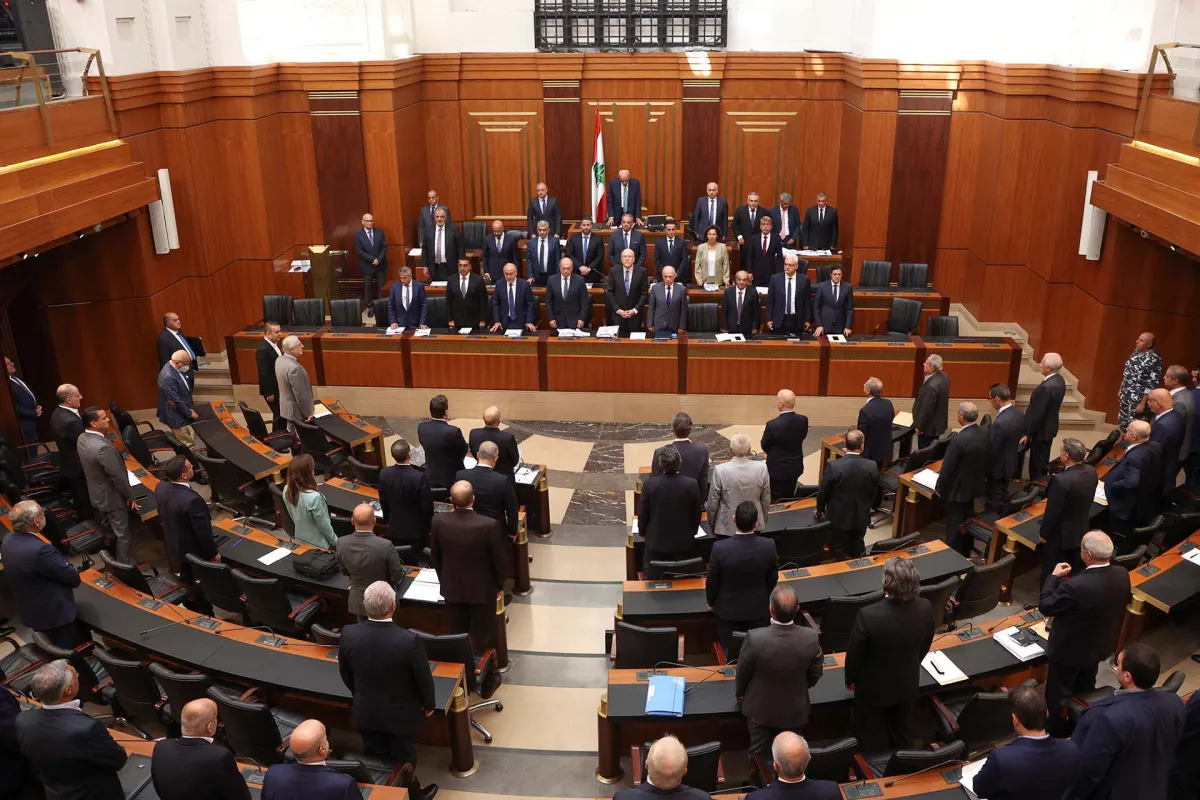
Lebanon's Constitutional Council unanimously struck down Article 3 of the amended Bank Recovery and Restructuring Law on 26 October 2026. The judicial body rendered the provision invalid, effectively halting a key component of the reform legislation.
In the same ruling, the Constitutional Council annulled two specific phrases contained within Article 19 and Article 27 of the law. These deleted sections formerly mandated travel bans for bank officials and provided legal protections for bank staff. The Constitutional Council annulled these two phrases from Articles 19 and 27 of the law, which concerned travel bans for bank officials and legal protections for bank staff. The decision removes the contested measures from the regulatory framework governing the financial sector. Legal experts and officials must now address the impact of these changes on the broader banking sector as established by the amended law. This judicial intervention fundamentally alters the scope of the banking reforms originally intended to stabilize the financial system.
Procedural Failures Behind Ruling
Constitutional Council members determined that Article 3 failed to secure the required parliamentary majority during the legislative session, leading to its formal annulment on 26 October 2026. Article 3 was annulled due to a procedural failure to secure the required parliamentary majority for its passage. This procedural error invalidated the specific provision within the Bank Recovery and Restructuring Law, as the chamber did not meet the constitutional quorum threshold necessary for its enactment.
Legislators and administrative officials must now send the annulled provisions back to the Finance and Budget Committee for a full review. The annulled provisions will return to the Finance and Budget Committee for further review before any new floor vote can occur. This parliamentary committee will re-examine the text before any new floor vote can proceed in the chamber. The return of these measures to committee level restarts the deliberative process for the affected articles, requiring a new draft to be submitted for legislative consideration. The committee is tasked with addressing the specific procedural shortcomings identified by the Constitutional Council to ensure any subsequent iteration of the law adheres to established legislative requirements.
International financial institutions have maintained a critical stance regarding the domestic regulatory environment in Lebanon. The IMF has previously criticized the Code of Money and Credit, describing the existing framework as outdated. The IMF has previously criticized Lebanon's Code of Money and Credit as being outdated and out of step with international best practice. According to the IMF, the current code remains out of step with international best practice, necessitating legislative updates to align the financial sector with global standards. By identifying the Code of Money and Credit as a point of contention, the IMF notes the ongoing pressure on Lebanese authorities to modernize the legal infrastructure supporting the national banking system. The council's recent ruling now places additional focus on how these legislative updates will be managed within the current parliamentary framework.