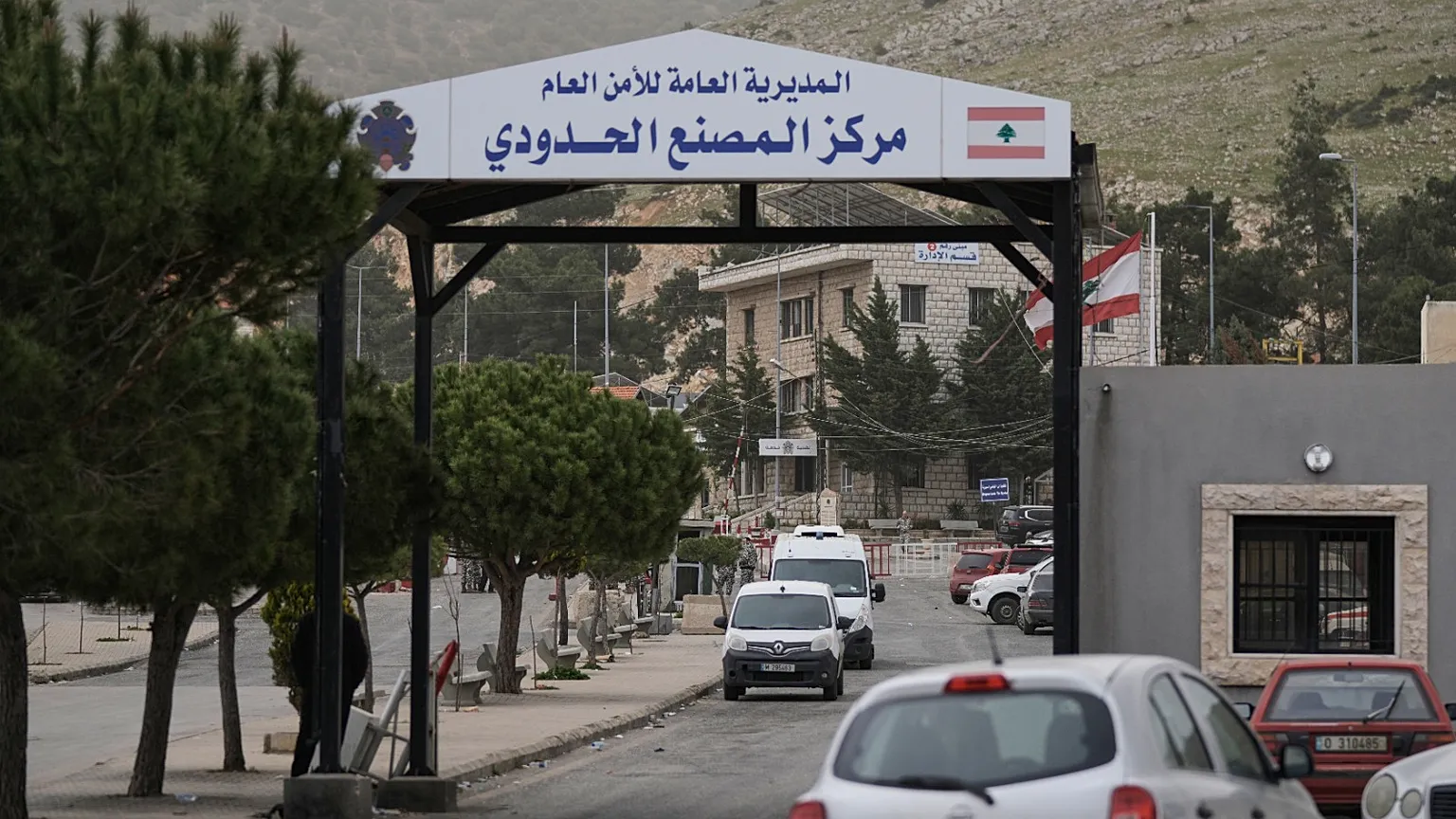
The Lebanese army and other security agencies reinforced their presence in the southern city of Nabatiyeh on Thursday, following Israel's announcement of taking control of the Ali Al-Taher ridge. This development has significantly heightened concerns in the region, prompting immediate responses from Lebanese authorities. The deployment aims to bolster security in the region amidst ongoing tensions and perceived threats emanating from the border. The United States, through its embassy in Beirut, reiterated its steadfast support for Lebanese state institutions and emphasized the country's sovereignty, a critical point of international law and stability in the volatile Middle East. The US Embassy added that "southern Lebanon does not belong to regional actors or militias," showing the international community's view on the presence and influence of non-state actors in the area. This increased military presence in Nabatiyeh reflects deep-seated concerns over potential incursions and the broader security situation along Lebanon's southern border, a frontier that has seen escalating incidents.
Heightened Tensions in the South
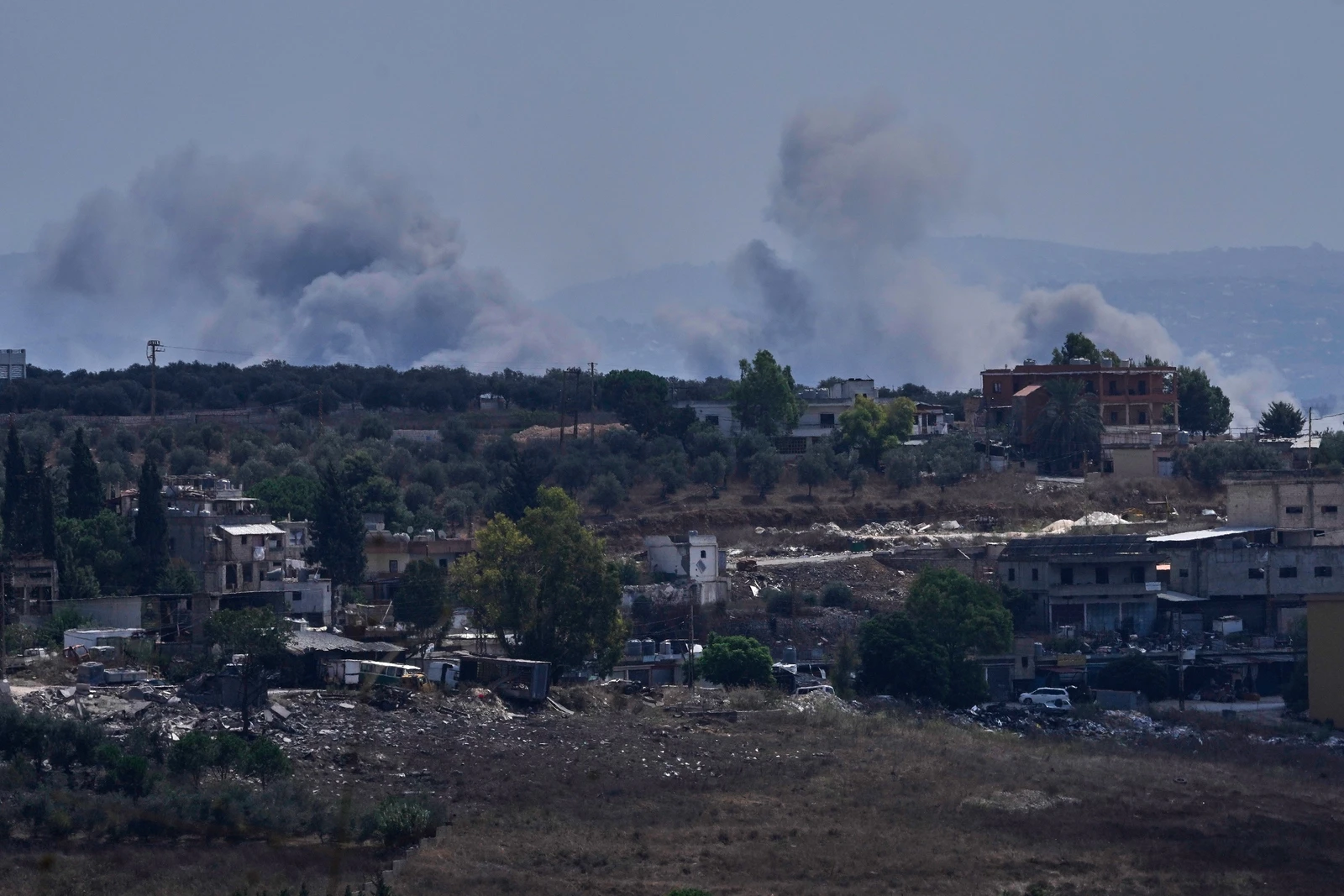
The decision to reinforce Nabatiyeh comes against a backdrop of escalating hostilities and direct impacts on civilian infrastructure. Recent Israeli attacks have struck a Finance Ministry building and the Ghandour Hospital in Nabatiyeh, according to reports from local sources and Lebanese officials. These strikes have further exacerbated an already tense environment, raising fears among the civilian population. The Lebanese Army Command, in addressing the situation, stressed that the reinforcements in the city did not constitute a new deployment, but rather an intensification of duties aimed at reassuring local residents who have been living under the shadow of potential conflict. This clarification sought to manage public perception while affirming the army's commitment to its protective role. The Command also stated that the Israeli actions, particularly the recent escalation in strikes, alongside demolition and explosive operations in the south, "leaves no room for doubt regarding the aggressive intentions of the Israeli occupation." This strong condemnation from the military leadership notes the severity with which Beirut views Israel's recent activities.
Interior Minister Ahmad Al-Hajjar commented publicly on the necessity of these measures, stating that reinforcing the military and security presence was "an essential step to reassure residents" and maintain order in a time of uncertainty. His remarks showed the government's commitment to protecting its citizens. In a show of solidarity and support for the affected communities, Prime Minister Nawaf Salam conveyed to Nabatiyeh Mayor Abbas Fakhruddin that supporting the resilience of residents in the southern city was a priority for the government. This direct communication from the highest levels of government aimed to provide reassurance and demonstrate a unified national response. The increased military presence comes amidst ongoing monitoring of the border region, where activities have intensified significantly. According to army monitoring, Israel has committed approximately 7,700 violations since the framework agreement was signed on June 26. These numerous violations, ranging from airspace incursions to ground movements, contribute significantly to the heightened security concerns in the southern areas of Lebanon, fueling fears of a wider conflict.
Local Calls for State Authority
The escalating situation has also prompted strong calls from local communities for a more decisive role for the state. Residents of Tyre and Nabatiyeh have urged the Lebanese army to deploy more extensively and for weapons to be restricted exclusively to state institutions. This plea reflects a growing desire for stability and a clear assertion of governmental authority over all armed entities within Lebanese territory. This comes as Nabatiyeh, a southern city of significant strategic importance, is located approximately 12-15 km from the Israeli border, placing its residents in immediate proximity to potential flashpoints. The army, in its ongoing efforts to assert control and maintain security, stated that specialist units had seized about 1,818 weapons and ammunition items during their operations in the area. This substantial confiscation demonstrates the persistent challenge posed by illicit arms and the army's commitment to disarming non-state actors.
The seized material included a diverse array of weaponry, noting the scale of the challenge. Among the confiscated items were 10 rocket-launching platforms, seven rockets, seven drones, 51 projectiles, 10 aerial bombs, and 1,560 pieces of light ammunition. The presence of such sophisticated and dangerous equipment shows the urgent need for state control over all armaments. Large numbers of mines and explosive devices were also among the items confiscated by the military, posing a significant threat to civilian safety and requiring extensive clearance operations. Additionally, military units opened roads totaling about 12 km in length in the region, contributing to local infrastructure and security efforts, making areas more accessible for both civilian movement and military response. These actions are key for both immediate security and long-term stability.
US Stance on Sovereignty
The international community, particularly the United States, has maintained a consistent stance on Lebanon's sovereignty and the role of its state institutions. An official Lebanese source informed Arab News that Beirut has received no assurances that the city of Nabatiyeh would be spared an Israeli incursion, especially following Israel's reported takeover of the Ali Al-Taher ridge. This lack of explicit guarantees from international partners has compounded the sense of vulnerability among Lebanese officials. The source stated, "No foreign party, including the Americans, has provided Lebanon with guarantees that Israel will be restrained from pursuing its ambitions." This candid admission notes the precarious position Lebanon finds itself in, navigating regional tensions without firm assurances of protection from further escalation. This lack of guarantees contributes significantly to the heightened concern among Lebanese officials regarding potential escalations and the need for strong domestic defense measures.
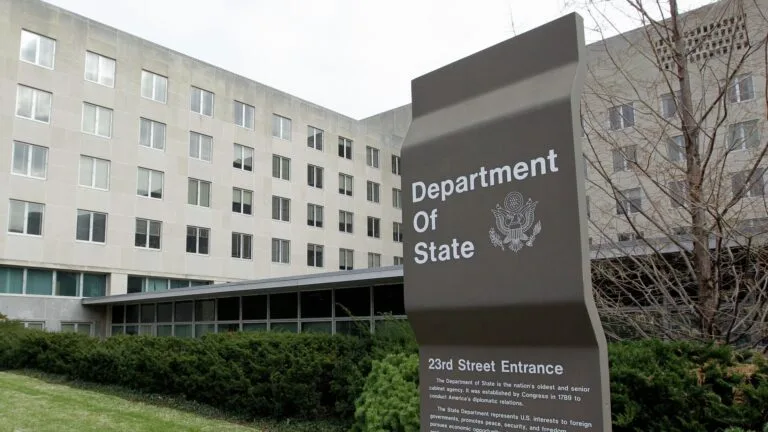
The US Embassy in Lebanon issued a statement on Thursday, further articulating its position and observations on the internal dynamics of the country. The embassy asserted that "the Lebanese people are making clearer every day their preference for Lebanese state institutions over Hezbollah’s weapons." This statement reflects a perceived shift in public sentiment towards state authority and away from non-state armed groups, a development the US views as key for Lebanon's future stability. The embassy's comments show a perceived shift in public sentiment towards state authority, aligning with the calls from residents of Tyre and Nabatiyeh. The statement also reiterated a consistent US position, affirming that "southern Lebanon does not belong to regional actors or militias." This notes the United States' firm view on the presence and influence of non-state armed groups in the southern region of the country, advocating for the exclusive authority of the Lebanese state. This consistent messaging from the US emphasizes the importance of strengthening state institutions as the legitimate and sole protectors of Lebanese territory and its people.
Meanwhile, the Lebanese Army Command has continued to comment on the recent surge in Israeli military activities, providing its professional assessment of the situation. The Command stated that the escalation in Israeli strikes, alongside demolition and explosive operations in the south, "leaves no room for doubt regarding the aggressive intentions of the Israeli occupation." This assessment from the Lebanese military leadership indicates a growing concern over Israel's actions and their potential implications for regional stability, suggesting a deliberate and hostile intent behind the cross-border activities. The ongoing reinforcement in Nabatiyeh, therefore, is not merely a reactive measure but a strategic deployment aimed at deterring further aggression and protecting the civilian population in a region that remains highly volatile and central to the broader regional security landscape.