Israel declared last week that it had seized the strategically important Ali Al-Taher ridge in southern Lebanon from Hezbollah. The operation occurred amid ongoing US-mediated peace talks, complicating diplomatic efforts. The Ali Al-Taher ridge had become one of the most fiercely contested areas throughout the Israel-Hezbollah war. This significant military action has introduced new complexities into the already delicate diplomatic landscape, particularly concerning the future of the contested border region. The strategic importance of the ridge, coupled with the persistent military engagements, shows the challenges faced by mediators attempting to broker a lasting peace.
Details of the Ridge Operation
On September 4, Israeli Defense Minister Israel Katz stated that the military had successfully cleared Hezbollah fighters from tunnels located beneath the Ali Al-Taher ridge. The declaration marked a significant development in the ongoing conflict in southern Lebanon. Israel's operation to secure the strategic ridge had been underway for several weeks prior to the minister's announcement. This multi-week effort notes the intensity and planning involved in dislodging Hezbollah forces from their entrenched positions. The Israeli military's sustained campaign in the area culminated in the announcement by Defense Minister Katz, signaling a tactical victory in a highly contested zone.
Despite a ceasefire announced in June, military activity and airstrikes have reportedly continued in the region. This sustained engagement indicates ongoing tensions and a lack of full de-escalation even after formal agreements. The persistent military operations suggest that both sides remain active in contested areas, complicating efforts to establish a lasting peace. The weeks-long operation culminating in the clearing of tunnels shows the intensity of the conflict around the Ali Al-Taher ridge. The continued military actions, even post-ceasefire, demonstrate the fragility of any peace arrangements and the deep-seated nature of the conflict between Israel and Hezbollah. Such ongoing hostilities make the work of diplomats even more challenging as they strive to build trust and implement de-escalation measures.
The Israeli military's extensive operation to clear Hezbollah fighters from the tunnels beneath the Ali Al-Taher ridge involved significant resources and strategic planning. The declaration by Israeli Defense Minister Israel Katz on September 4 showed the perceived success of this operation. The ridge, a prominent stretch of high ground, offers a commanding view over a wide expanse of southern Lebanon, making its control militarily advantageous. This topographical feature has made it a critical objective for both sides throughout the conflict. The multi-week duration of Israel's operation prior to the September 4 announcement further illustrates the difficulty and scale of the military undertaking. The Israeli military's focus on clearing these underground networks suggests a concerted effort to dismantle Hezbollah's operational capabilities in a key strategic location.
Peace Talks and Proposed Framework
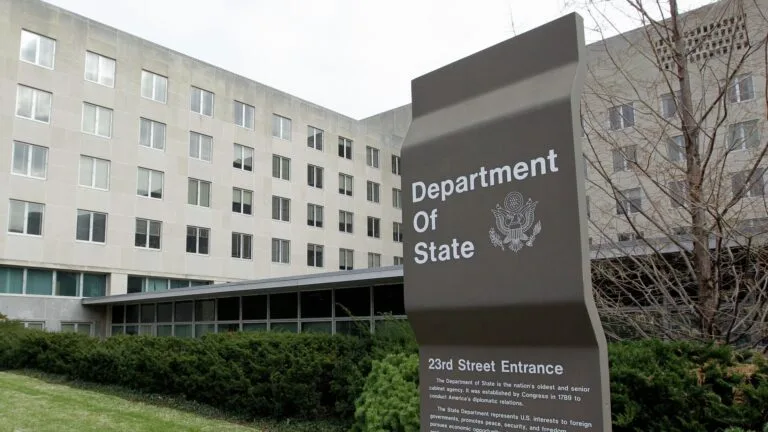
Under the proposed Trilateral Framework, both Israel and Hezbollah would withdraw from the Ali Al-Taher ridge, with the Lebanese army subsequently assuming control of the area. This framework aims to de-escalate tensions in the contested region following the Israeli operation. The proposal suggests a demilitarization of the ridge, transferring authority to a neutral party in an effort to stabilize the border. Diplomatic efforts have been ongoing to establish a lasting peace in southern Lebanon, with the Trilateral Framework emerging as a key component of these discussions. The framework's success hinges on the agreement and cooperation of all involved parties, particularly regarding the phased withdrawal and the Lebanese army's deployment. The US-mediated peace talks are central to advancing this framework, seeking to find a diplomatic resolution to the prolonged conflict. The involvement of the United States as a mediator notes the international community's concern over regional stability and the desire to prevent further escalation.
United States President Donald Trump met with Lebanese President Joseph Aoun at the Oval Office of the White House in Washington, DC, on July 21, 2026. This high-level meeting occurred amid the ongoing diplomatic efforts to address the conflict in southern Lebanon. The discussion between the two leaders shows the international focus on resolving the regional tensions and securing a stable future for the border area. The engagement at the White House notes the direct involvement of the United States in facilitating peace talks and exploring potential frameworks for resolution between Israel and Hezbollah. Such meetings are key for building consensus and garnering support for proposed solutions like the Trilateral Framework. The presence of President Trump and President Aoun at the White House signifies the high-level commitment to finding a diplomatic pathway forward. The discussions likely covered the specifics of the Trilateral Framework and the logistical challenges of implementing a withdrawal and troop deployment. The international community is closely watching these negotiations, recognizing the potential for widespread implications if a stable agreement can be reached. The US role as a mediator is seen as vital in navigating the complex political and security dynamics of the region.
Expert Analysis and Implications
The Ali Al-Taher ridge represents a prominent stretch of high ground, providing oversight of a wide area across southern Lebanon. Military sources indicate that Hezbollah maintained an extensive tunnel network beneath the ridge. This network reportedly included command rooms, weapons depots, and living quarters designed for fighters. The strategic importance of the ridge has been showed by sustained military engagements in the area. The discovery and clearance of this sophisticated underground infrastructure by Israeli forces further illustrates the significant military investment Hezbollah had made in the region. The presence of such a network points to Hezbollah's long-term strategic planning and its intent to maintain a strong presence along the border. The military's assessment of these tunnels as containing command rooms, weapons depots, and living quarters suggests a well-established and integrated defensive and offensive capability. The strategic value of controlling this high ground, with its extensive underground facilities, is immense, providing both observation points and protected operational bases.
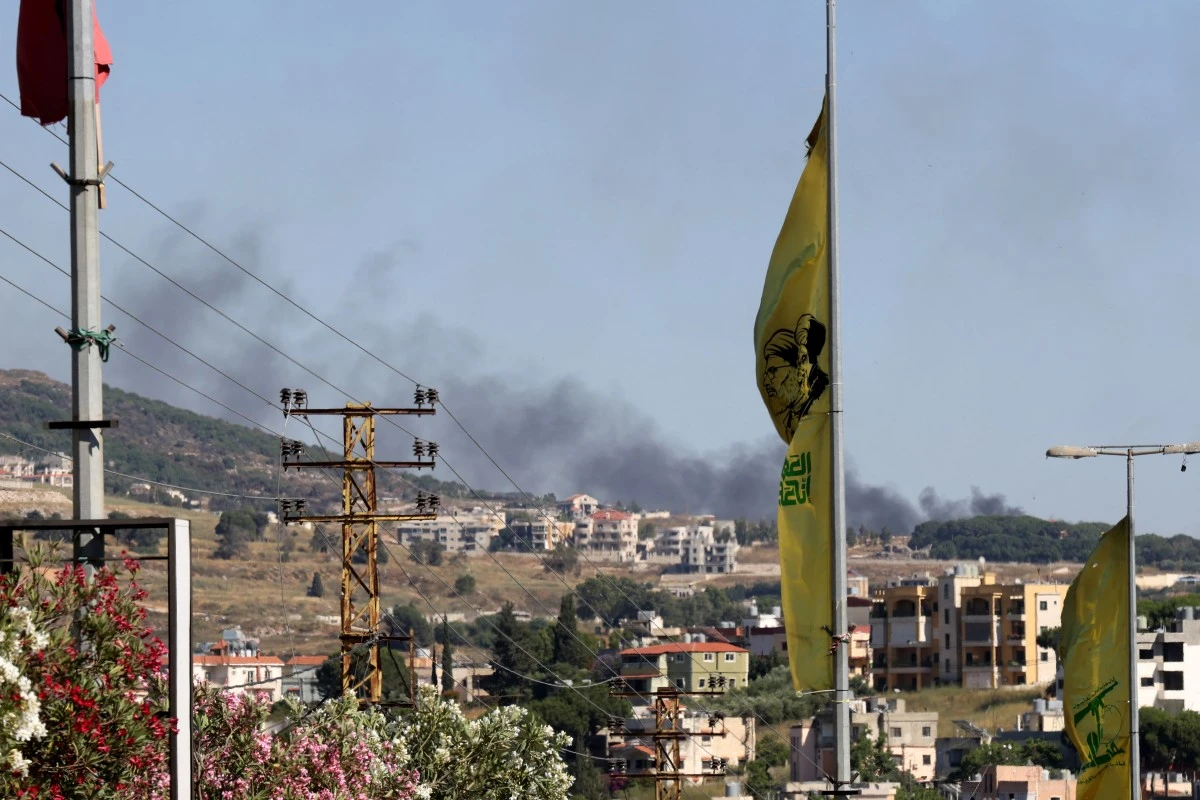
On June 18, 2026, smoke was observed rising after Israeli artillery shelling targeted the Ali Al-Taher forest area near Nabatieh, southern Lebanon. This incident notes the ongoing military activity in the region, even as diplomatic efforts proceed. Further escalating tensions, mourners carried coffins past the debris of destroyed buildings in the southern Lebanese village of Kfar Rumman on September 8, 2026. The individuals had been killed the previous day in an Israeli air strike. These events demonstrate the continued volatility and human cost of the conflict, complicating prospects for a lasting peace agreement. The shelling near Nabatieh, occurring just weeks after the ceasefire announcement, serves as a stark reminder of the persistent military exchanges. The tragic scene in Kfar Rumman, where an Israeli air strike resulted in fatalities, further shows the immediate and devastating impact of the conflict on civilian populations. Such incidents not only cause immense suffering but also erode trust and make diplomatic breakthroughs more difficult to achieve. The continued loss of life and destruction of property create a cycle of grievance that peace talks aim to break. The challenge for mediators is to bridge the chasm of mistrust and animosity while military actions continue to shape the reality on the ground. The recent military operations and their human toll serve as a grim backdrop to the ongoing diplomatic endeavors, emphasizing the urgency of finding a sustainable resolution.