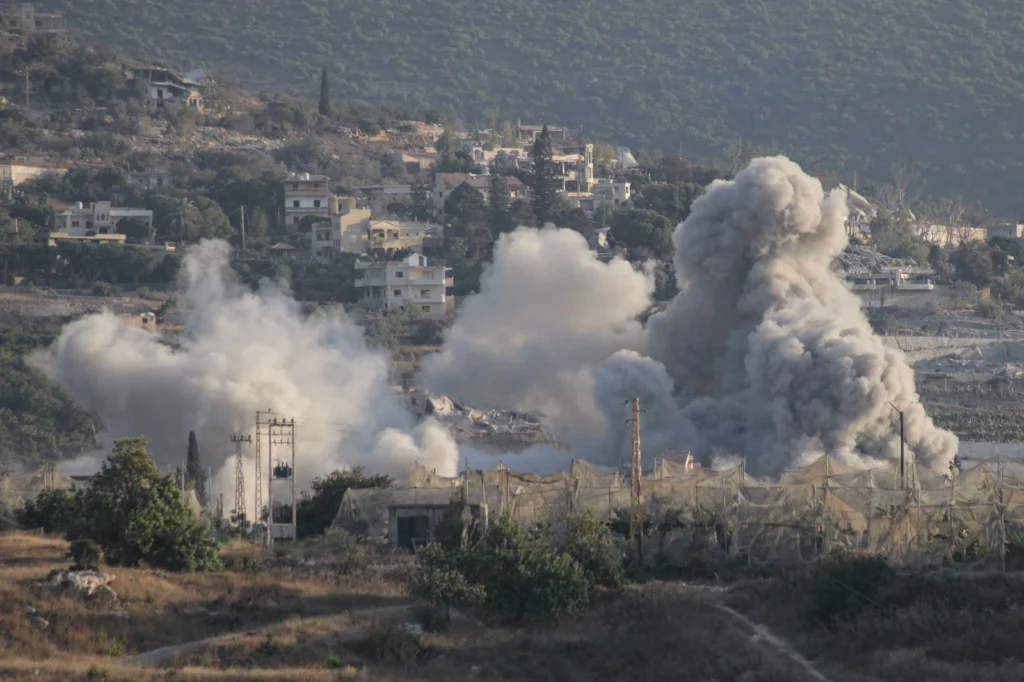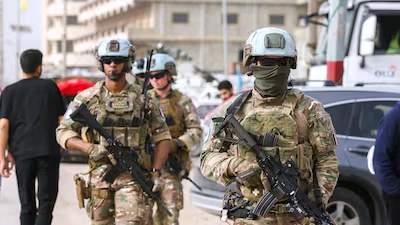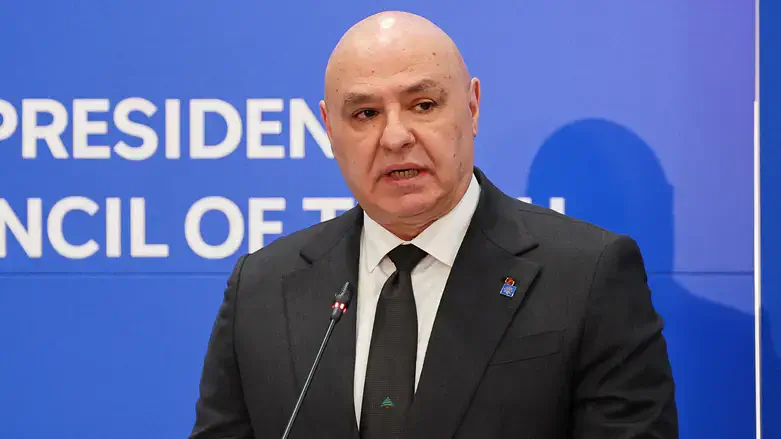
Israel is reportedly preparing to release five Lebanese prisoners of war on Thursday, according to sources close to the discussions. The release of these prisoners to Lebanon is intended to advance negotiations between the two nations. This move is also aimed at stabilizing relations along Israel's northern border, a region that has seen intermittent tensions. The impending release is part of a broader goodwill gesture coordinated with the United States, signaling a concerted diplomatic effort.
Negotiations and Demands
The issue of detainees was formally included in the seventh round of talks between Israel and Lebanon, marking a significant development in the ongoing discussions. This particular round of talks was held in Rome in August, taking place under the active mediation of the United States. During these key talks, representatives from both sides exchanged preliminary lists containing names of detainees and missing persons. This exchange represents a foundational step in addressing long-standing concerns regarding individuals held by each party, laying groundwork for potential future exchanges. The inclusion of this humanitarian aspect in the negotiations is seen as key for potential progress in broader diplomatic efforts between Israel and Lebanon, as it addresses sensitive human issues.
Lebanese sources indicated that the government in Beirut demanded the release of civilian detainees as the initial stage of any prisoner exchange. This demand notes the priority placed by Lebanon on the return of its civilian citizens. The current release of five prisoners of war by Israel, if it proceeds as expected, could be interpreted as a response to such demands, or at least a step towards building the necessary trust to facilitate further exchanges.
Past Prisoner Releases
In March 2025, Israel released five Lebanese citizens who had been held in Israeli custody. The Prime Minister's Office described the release as a "gesture to the Lebanese President," showing its political and diplomatic significance. This action was coordinated with the United States and coincided with advancements in ongoing discussions concerning border issues between the two nations. The coordination with the United States in that instance, much like in the current situation, suggests a consistent approach to de-escalation and confidence-building measures in the region. Such prior actions set a precedent for the current goodwill gesture, demonstrating a pattern of using prisoner releases as a tool for diplomatic progress.
Broader Implications
The imminent release of Lebanese prisoners by Israel is being framed as a goodwill gesture, undertaken in coordination with the United States. This move follows previous instances where Israel released Lebanese citizens, such as the five individuals freed in March 2025. That earlier release was described by the Prime Minister's Office as a "gesture to the Lebanese President" and also occurred with U.S. Coordination, coinciding with progress in border discussions. The ongoing involvement of the United States in these gestures suggests a broader diplomatic effort aimed at stabilizing the region and advancing dialogue between Israel and Lebanon. Such coordinated actions often aim to build trust and create an environment conducive to more full negotiations on various issues, including those related to border demarcation and regional security. The intention behind these releases is not only to address humanitarian concerns but also to foster a climate where more substantive discussions can take place, potentially leading to long-term stability along the shared border.
Official Reaction
The seventh round of talks, held in Rome in August, took place under United States mediation. Lebanese sources indicated that the government in Beirut demanded the release of civilian detainees as the initial stage of any prisoner exchange. This demand reflects a strategic approach by Lebanon to prioritize the return of non-combatants, which could pave the way for more complex negotiations involving military personnel. The current expected release of prisoners of war could be seen as a significant step in addressing these demands and building momentum for future diplomatic efforts.