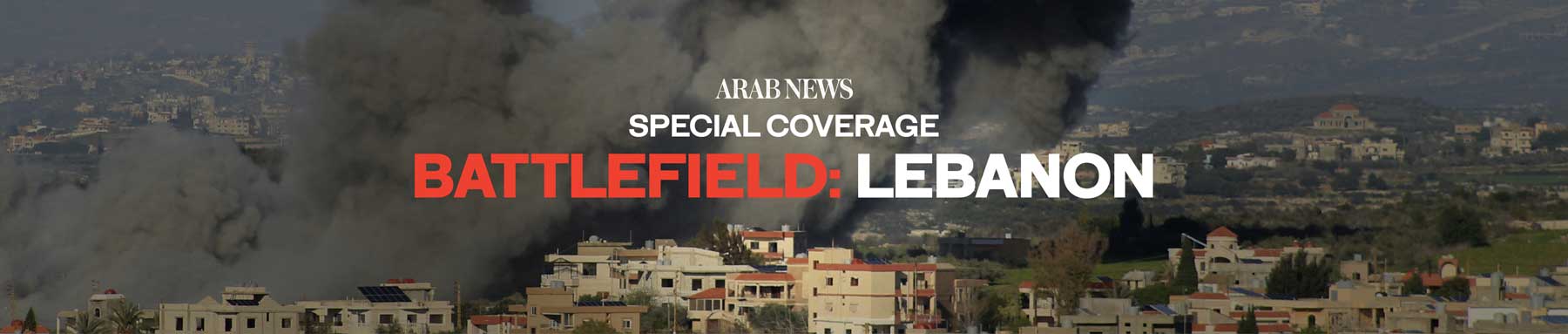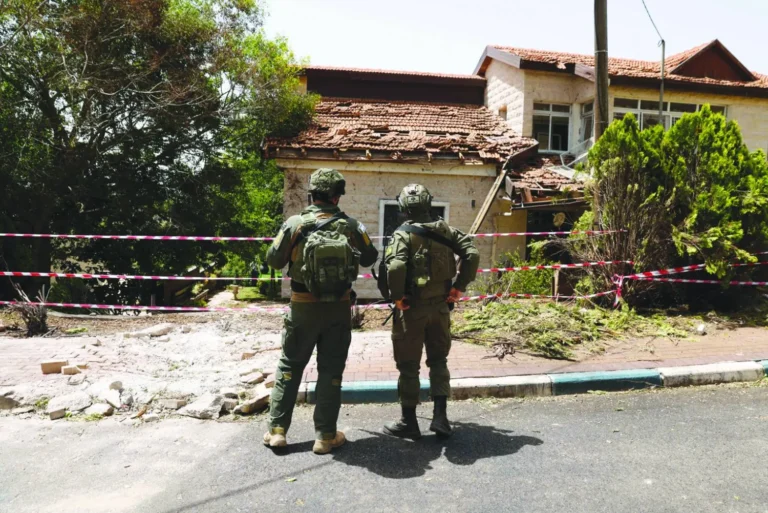
Discussions are reportedly underway within Israel's security establishment concerning the potential creation of a new security zone inside Lebanese territory, situated closer to the Israeli border. The Israeli Public Broadcasting Corporation first reported on these deliberations, indicating a significant internal review of Israel's northern defense strategy. This potential move would mark a notable development in the security posture along the northern frontier, aiming to establish a buffer against potential threats. The report detailing these internal discussions was last updated on May 9, 2026, at 11:42 pm, noting the ongoing nature of these high-level strategic considerations.
Details of Proposed Zone
The proposed security zone would involve Israeli forces being stationed at a distance of between two and four kilometers from the Lebanese border, according to initial reports. This arrangement would strategically place Israeli military personnel inside Lebanese territory, creating a defined buffer area designed to enhance Israel's security. The specific distances under consideration suggest a deliberate attempt to create a forward defensive line without a deep penetration into Lebanese territory. The establishment of such a zone would represent a clear shift from previous operational frameworks along the border.
Simultaneously, the Israeli military is reportedly considering a reduction in the overall size of its forces currently deployed in southern Lebanon. This potential decrease in troop numbers would occur even as a military presence is maintained within the newly proposed security zone. The discussions indicate a nuanced shift in tactical deployment and resource allocation, rather than a full withdrawal from areas close to the border. This suggests a re-evaluation of how best to utilize military assets to secure the border, potentially emphasizing technology and specific forward positions over a broader, more dispersed troop presence. The dual approach of creating a new zone while potentially reducing overall troop numbers reflects a complex strategic calculation within the security establishment.
Political Approval Pending
The proposal for a new security zone within Lebanese territory remains an ongoing discussion point exclusively within Israel's security establishment. It has not yet progressed to a final decision that has received approval from the nation's political leadership. This critical distinction shows that while military and security officials are actively deliberating the operational and strategic aspects of such a zone, the ultimate authorization rests with the highest levels of government. Kan Broadcasting further emphasized that the specific nature of this potential new deployment has not yet been sanctioned by the political echelon. This indicates that while military and security officials are deliberating the operational aspects and potential benefits, the ultimate authorization for such a significant strategic shift, which carries considerable geopolitical implications, is still pending at the highest levels of government. The political leadership will need to weigh the security benefits against potential diplomatic and international ramifications before any final decision is made.
Broader Military Context
The Lebanese-Israeli border region is currently marked by rapid field developments, according to reports from within Israel's security circles. These dynamic developments are occurring concurrently with ongoing Israeli military maneuvers in southern Lebanon, indicating a period of heightened activity and strategic reassessment in the area. Discussions are also ongoing within Israel regarding the future scope and nature of its military presence in the area, suggesting a full review of its long-term strategy along the northern frontier. This broader context frames the internal Israeli deliberations concerning the establishment of a new security zone inside Lebanese territory, which would involve adjusting troop deployments and maintaining a presence closer to the border. The proposed zone is therefore part of a larger strategic conversation aimed at adapting to the evolving security landscape in the region.