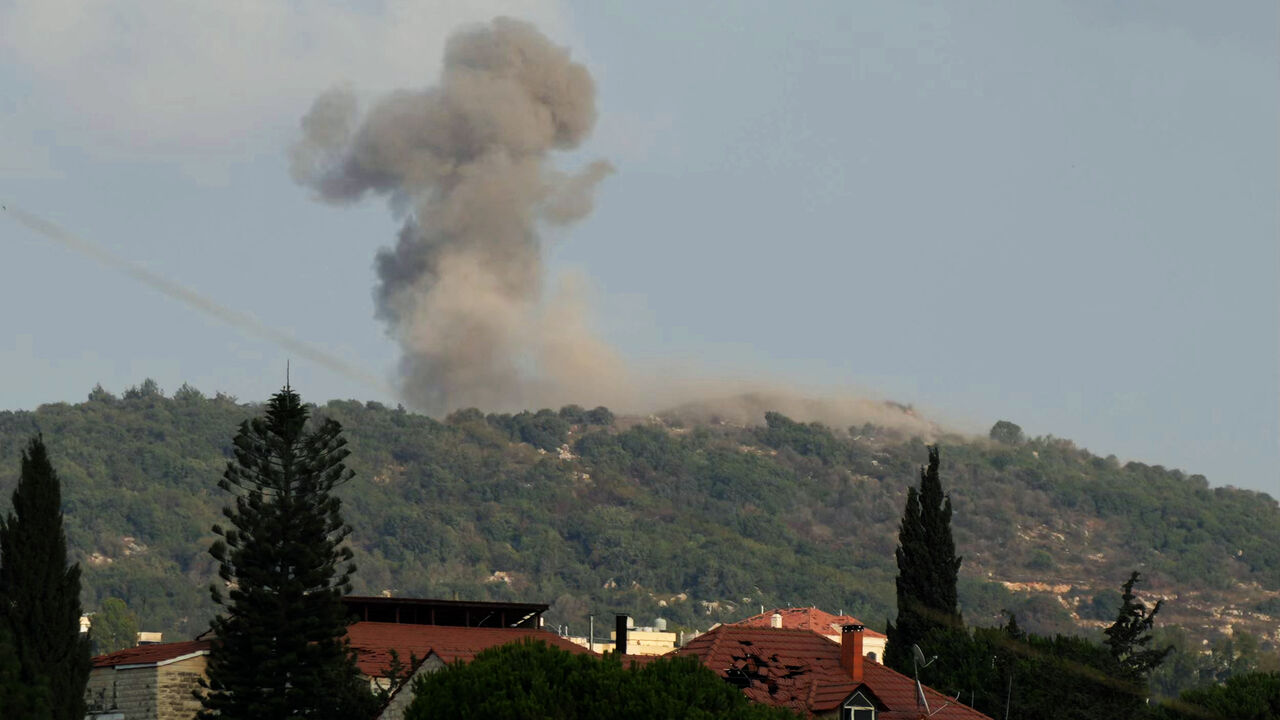
The Israeli military announced Thursday it destroyed a network of Hezbollah tunnels located in Lebanon's Ali al-Taher ridge. The military statement said the tunnels were part of an infrastructure used by the Iran-backed group. The Ali al-Taher ridge is situated in southern Lebanon, a region that was under Israeli military control between 1982 and 2000. This operation targets Hezbollah's subterranean capabilities near the Israeli border, an area long considered a flashpoint in the ongoing conflict between Israel and the Iran-backed group. The Israeli military confirmed on Thursday that its forces had successfully dismantled the extensive network.
Strategic Tunnel Network Dismantled
The Israeli military characterized the tunnel network as "strategic terror infrastructure built over two decades, with Iranian funding and planning." The description shows the long-term nature and external support attributed to the subterranean facilities. This characterization notes Israel's assessment of the tunnels as a significant and enduring threat. Separately, Lebanon's official National News Agency reported heavy Israeli strikes in the area. These strikes coincide with the Israeli military's announcement regarding the destruction of the tunnel network. The Ali al-Taher ridge, where the operation took place, is a key location in southern Lebanon, strategically positioned near the Israeli border. The Israeli military claims the dismantled infrastructure was part of Hezbollah's broader capabilities near the Israeli frontier, targeting the group's ability to operate undetected across the border and launch potential attacks. The military emphasized that the destruction of this network significantly degrades Hezbollah's operational capacity in the region.
Long-Term Conflict Flashpoint
The Ali al-Taher ridge has become a flashpoint in the Israel-Hezbollah conflict in Lebanon, primarily due to an extensive tunnel network that Israel claims is utilized by the Iran-backed group. Israeli military sources state that Hezbollah is believed to have constructed a significant underground network in this area following Israel's withdrawal from southern Lebanon in 2000. This subterranean infrastructure, according to Israel, has contributed to the ridge's designation as a key area of military contention and a site of persistent concern for Israeli security. The development of such a complex underground system over many years, allegedly with Iranian support, shows the strategic importance both sides place on this particular territory. The Israeli military has consistently noted the strategic importance of dismantling such networks to address perceived threats from Hezbollah, viewing them as a critical component of the group's offensive capabilities. The presence of these tunnels has been a long-standing security challenge for Israel, leading to repeated calls for their neutralization.
Regional Diplomatic Warnings
Reuters reported earlier this month that Iran had warned the United States against an Israeli attack on the Ali al-Taher ridge. This warning signaled diplomatic concern over potential military actions in the area, indicating the high stakes involved in any operations targeting this specific location. The Iranian communication to the U.S. Shows the broader regional implications of operations targeting infrastructure in southern Lebanon, noting how localized military actions can draw in international actors. Such diplomatic exchanges often accompany heightened tensions in the region, particularly when military actions are anticipated or undertaken, reflecting the complex web of alliances and rivalries in the Middle East. The report noted the sensitivity surrounding the Ali al-Taher ridge as a potential flashpoint, not just between Israel and Hezbollah, but also involving their respective international backers. This diplomatic maneuvering illustrates the delicate balance of power and the potential for escalation in the region.
Official Statements and Implications
Israeli Defense Minister Israel Katz announced last week that Hezbollah fighters previously entrenched in the tunnels had either been killed or had fled the area. Katz's statement followed the Israeli military's operation targeting the tunnel network in the Ali al-Taher ridge. The minister's remarks suggest a direct impact on Hezbollah's operational capabilities in the region, implying a successful disruption of their personnel and infrastructure. The assertion by the Defense Minister indicates that Israel perceives the operation as having achieved its immediate objective of neutralizing personnel within the subterranean infrastructure and degrading Hezbollah's ability to use these tunnels. This official statement aims to project a sense of success and deterrence following the extensive military action.