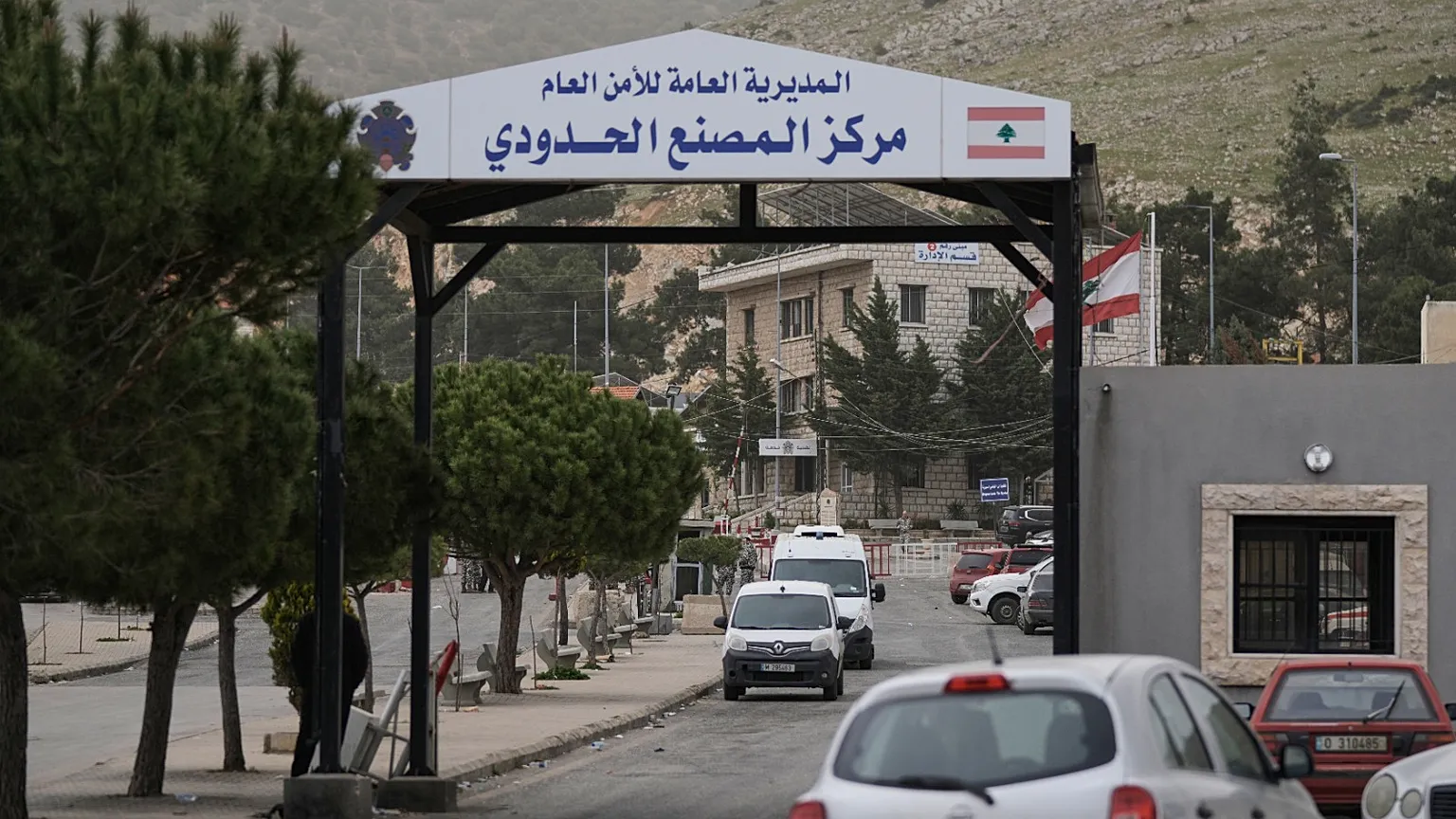
Israel and Lebanon are expected to hold a new round of direct talks in Rome, Italy, next week, focusing on the verification of Hezbollah's presence in southern Lebanon. These key diplomatic meetings are specifically scheduled for Tuesday and Wednesday, aiming to address persistent tensions along their shared border. The stated purpose of these discussions is to establish a force that will verify whether designated pilot areas have been cleared of Hezbollah’s presence. These talks follow ongoing efforts to de-escalate tensions along their shared border, which have seen periodic flare-ups. As of 19:00 GMT, Lebanese authorities had not issued any comment regarding reports about the planned round of discussions, maintaining official silence on the upcoming diplomatic engagement.
Background to Negotiations
Israel and Lebanon have conducted seven rounds of direct talks since April 14, marking a sustained diplomatic push to resolve long-standing border issues. Five of these rounds took place in Washington, indicating a significant period of engagement under US mediation. The most recent two rounds, however, were held in Rome, signaling a potential shift in the diplomatic venue or facilitation. The sixth round of discussions concluded with a preliminary agreement to identify two pilot areas for the initiation of Israeli forces' withdrawal, a concrete step towards disengagement. A broader framework agreement, signed on June 26, outlines the gradual withdrawal of Israeli forces from all occupied Lebanese territory. In return, this agreement stipulates the deployment of the Lebanese army in those areas, aiming to establish Lebanese sovereignty over the vacated territories.
US Role and Withdrawal Scope
The United States aims to broaden the scope of territories from which Israeli forces would withdraw, transferring control of these areas to the Lebanese army. This objective shows Washington's commitment to a more full resolution of the border dispute. Israeli forces maintain a significant presence in areas of southern Lebanon, controlling some of them for decades, a historical legacy of past conflicts. Other parts of southern Lebanon have come under Israeli control more recently, since the 2023–2024 war, adding new complexities to the withdrawal negotiations. These areas, both long-held and recently occupied, are central to the ongoing discussions about a verification force and the broader withdrawal framework, as their status directly impacts regional stability. The US objective is to ensure that any withdrawal is thorough and leads to a stable security arrangement managed by the Lebanese state.
Hezbollah's Stance and Lebanese Concerns
Hezbollah has repeatedly rejected the ongoing talks, calling on the Lebanese government to end them, reflecting its opposition to direct negotiations with Israel. This stance notes the internal political divisions within Lebanon regarding the peace process. Meanwhile, the Lebanese army stated on Wednesday that it had recorded 7,700 Israeli violations since the framework agreement was signed, detailing a significant number of alleged breaches. The army warned that the continuation of such violations threatens the current agreements and established mechanisms, potentially undermining the fragile diplomatic progress. These concerns show the domestic challenges facing Lebanon's participation in the Rome discussions, as the government must balance diplomatic overtures with internal political pressures and security realities. The high number of reported incidents suggests a complex and volatile security situation along the border, even as diplomatic efforts proceed, making the upcoming talks particularly sensitive.
Next Steps and Verification
The upcoming talks in Rome aim to establish a force tasked with verifying the absence of Hezbollah personnel in designated pilot areas. This verification mechanism is central to the broader diplomatic efforts concerning the Israeli withdrawal from southern Lebanon and the subsequent deployment of the Lebanese army. The proposed force would monitor the specified zones, ensuring compliance with any agreements reached regarding Hezbollah's presence and preventing any re-establishment of their operational capacity in these critical areas. Its creation is considered a key next step in de-escalating tensions and implementing the framework for Israeli forces' withdrawal, which would allow for the Lebanese army's deployment. The success of this verification force is seen as essential for building confidence between the two parties and ensuring the long-term stability of the border region.