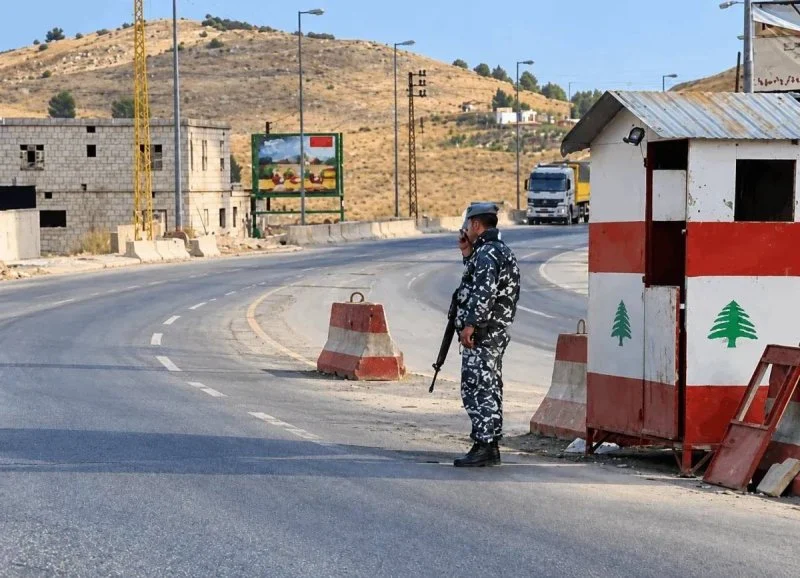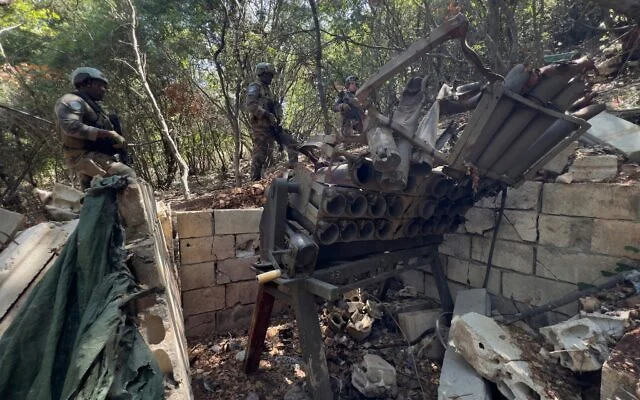
Hezbollah has spent three months preparing for a possible resumption of hostilities with Israel. Military activities have intensified across southern Lebanon as the group works to reorganize its defensive positions.
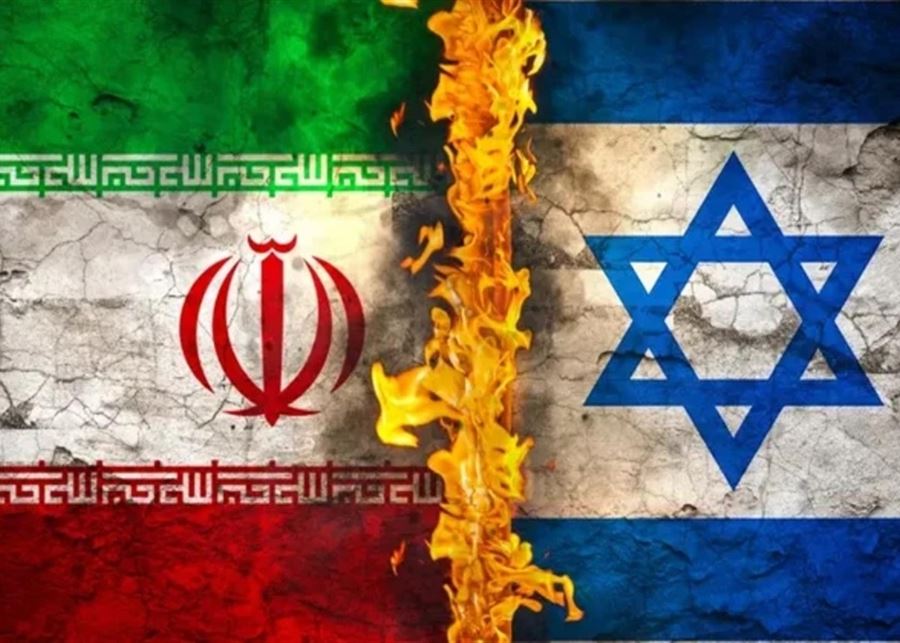
Financial records indicate that Hezbollah received tens of millions of dollars from Iran to boost its military capabilities. These funds were directed toward the procurement of weaponry and the restoration of infrastructure damaged during previous engagements. Tehran continues to provide significant material support to the organization, ensuring the replenishment of stockpiles and the maintenance of operational readiness. Hezbollah leadership maintains that these efforts are necessary for regional defense, while security officials in Israel monitor the situation closely to assess potential shifts in the military balance along the border. The group’s strategic focus remains on hardening its tactical positions, utilizing the financial influx to secure specialized equipment and fortify subterranean networks that serve as the backbone of its defensive posture. This ongoing logistical effort is designed to ensure that the group can sustain its operations despite the heightened scrutiny from security officials in Israel who are actively tracking the movement of materials and personnel throughout the southern districts of the country.
The Scope of Reconstruction
Hezbollah received $200 million from Tehran to provide financial assistance to displaced families residing in its Shiite heartlands. This funding represented a specific allocation intended to address the immediate humanitarian needs of those affected by internal displacement. The distribution of these funds occurred alongside the organization's broader efforts to restore its operational capacity. This aid package, totaling $200 million, was explicitly earmarked to stabilize the living conditions of the displaced population, ensuring that the group maintained its social influence within its traditional support base while simultaneously managing the logistical demands of its military reconstruction.
Military operations conducted by Israel after 2 March 2026 resulted in the deaths of more than 4,000 people. These actions also caused the displacement of a quarter of Lebanon’s population. The scale of this movement of people forced the organization to shift resources toward providing basic support for those uprooted by the conflict. Officials in Lebanon documented the impact on local infrastructure and housing, noting the significant displacement of residents from areas where Hezbollah maintained a presence. The intensity of the offensive, which claimed more than 4,000 lives, created a complex environment for the group as it attempted to balance its military objectives with the necessity of managing the needs of a quarter of Lebanon’s population that had been forced to flee their homes.
Iran’s Revolutionary Guards founded Hezbollah in 1982. The establishment of the group followed the initial involvement of the Revolutionary Guards in the region during that period. Since its formation, the organization has operated with material and logistical support originating from Tehran. This long-standing relationship between the founding entity and the group remains a central factor in the current organizational structure and its ability to maintain defensive positions throughout southern Lebanon. Successive leadership figures within the group have cited this historical origin when explaining the group's ongoing military and social activities. The foundational role of Iran’s Revolutionary Guards in 1982 established the framework for the current coordination between the state-level patron and the organization, a dynamic that persists as the group continues to leverage this historic tie to facilitate its contemporary military and social objectives.