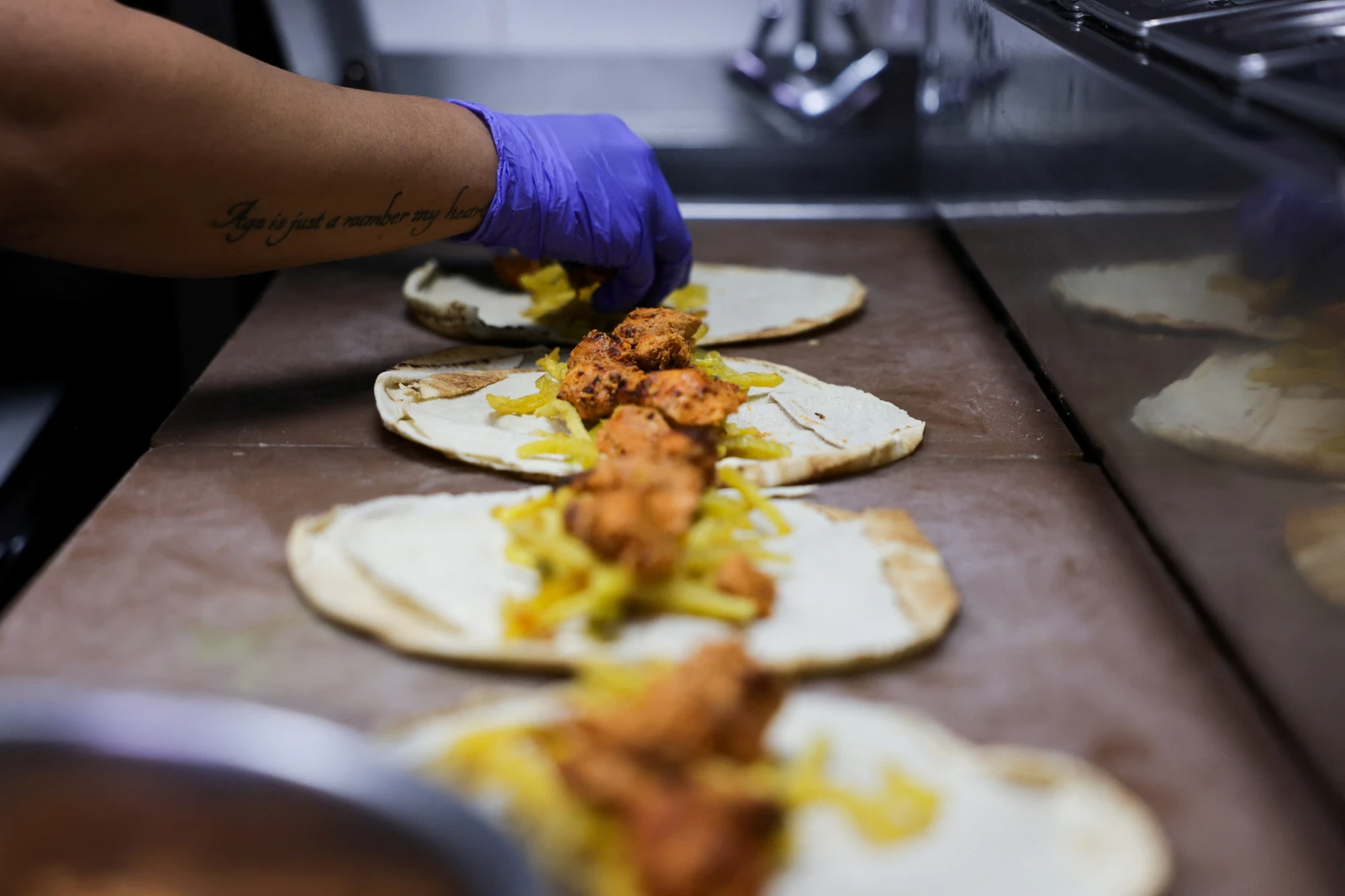
The Glow Paradise restaurant in Beirut has launched a 'Chich Taouk' sandwich priced at approximately $13. Popularity for the item remains high, with the establishment selling more than 20,000 'Chic Taouk' sandwiches in 11 days.
Fouad Fakhreddine, a 53-year-old restaurant worker from Hamra, noted the strain this economic climate places on local residents. "Everything has become expensive, and people can’t keep up," he said. "We are now getting paid, then getting in debt over that just to get by." He described the current social divide in the country as consisting of "a class that is living, and a class that is not dead and waiting to die from the unbearable situation it is in."
Economic Decline and Poverty
Lebanon's GDP has declined by nearly 40 percent since 2019, according to data from the World Bank and the International Monetary Fund. This contraction reflects the scale of the financial crisis affecting the national economy.
The United Nations children’s agency reported in September that four in five households in Lebanon struggle to afford basic necessities. This assessment indicates the widespread impact of the economic conditions on the population. Financial instability continues to challenge families as they attempt to secure essential goods and services in a climate defined by limited purchasing power and rising costs. Residents face significant obstacles in meeting daily requirements as the broader economic situation remains severely constrained.
Rising Costs and Inflation
The World Bank expects inflation in Lebanon to rise to 17.5 percent. This upward trend in consumer prices coincides with a sharp increase in utility costs for households. Monthly bills from private generator operators in Lebanon increased by nearly 20 percent in August 2026. These costs represent a significant burden as residents rely on private providers to supplement the national power grid. The financial pressure has intensified throughout the year, with private generator electricity rates in August 2026 reaching levels nearly 60 percent higher than in February 2026. Families continue to face these mounting expenses while managing the impact of broader economic contraction on their daily budgets.
Minimum Wage and Inequality
The minimum wage in Lebanon is currently set at $400. This fixed monthly rate remains the standard for employees across the country. Economic observers such as Sami Nader and Hrag Jeghalian have previously noted that this figure struggles to align with the rising cost of living for the average worker. Many households report that the static nature of these earnings limits their access to essential goods and services. As inflation continues to impact consumer prices, the gap between the established minimum wage and the actual cost of daily requirements has become a primary concern for the population. Families find it difficult to manage their budgets when the official income floor does not reflect the ongoing changes in the national economy.