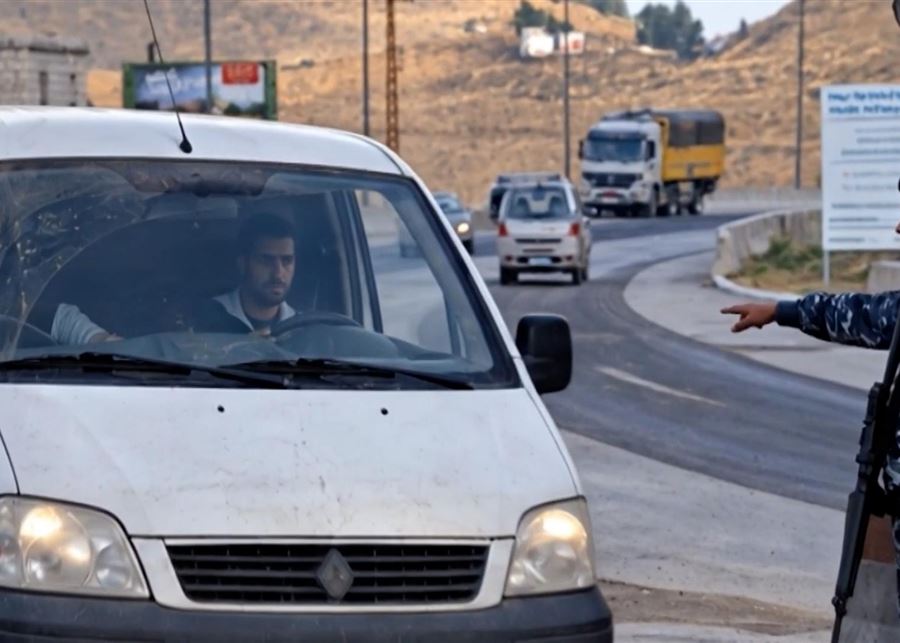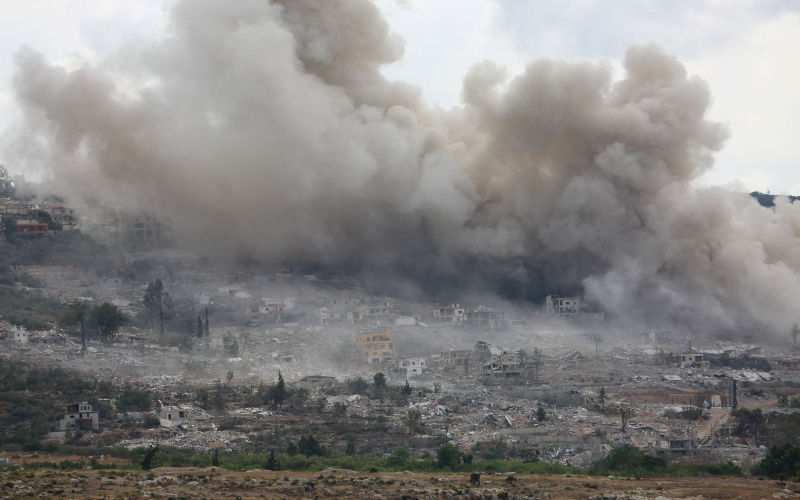
Israeli forces have levelled 48 of approximately 60 villages and towns in southern Lebanon as of 12 October 2026. Since March 2026, the military campaign has displaced at least 1.1 million Lebanese civilians. Janina Dill, a professor of global security at the University of Oxford, stated, "It’s deeply implausible that imperative military necessity applies to every house in a particular village." Kristine Beckerle, Amnesty International’s deputy regional director for the Middle East and North Africa, added, "In large parts of southern Lebanon, Israel’s ‘everybody-leave’ orders were followed by ‘don’t-come-back’ orders." These actions have fundamentally altered the landscape of the region, leaving a significant portion of the population without homes to return to as the military presence continues across the area.
Scale of Village Destruction
Israeli Defence Minister Israel Katz acknowledged in July 2026 that military operations had resulted in the destruction of 24 historic Lebanese villages. During his statement, Katz justified the action by claiming the affected areas posed a direct security risk to the Israeli population.
"Twenty-four Lebanese villages that were hundreds of years old – with Shiite residents who acted as enemies [of Israel] on behalf of Hezbollah and threatened our borders and our residents – we destroyed all of the buildings," Katz said.
These settlements, which trace their history back hundreds of years, were targeted under the premise that their residents served as operatives for Hezbollah. The destruction of these sites remains a central component of the military campaign currently active in southern Lebanon. The official account from the Israeli Defence Ministry confirms that every structure within these 24 specific locations was demolished during the mission to secure the border region.
Displacement and Humanitarian Impact
Approximately 270,000 people remain unable to return to their homes in southern Lebanon. These residents continue to face uncertainty regarding the viability of their property as the military campaign persists.
Israeli forces have burned about 16,500 acres of land since the April 2026 ceasefire. This scorched territory represents 11 percent of the total occupied area in southern Lebanon. The destruction of this land has further restricted the ability of the local population to utilize their agricultural resources or sustain their previous livelihoods.
Satellite imagery shows at least three new Israeli military outposts have been partially built in southern Lebanon since the ceasefire began in April 2026. The construction of these installations indicates a sustained physical presence within the region. These outposts serve as permanent structures for military operations and formalize the ongoing occupation of the border area.