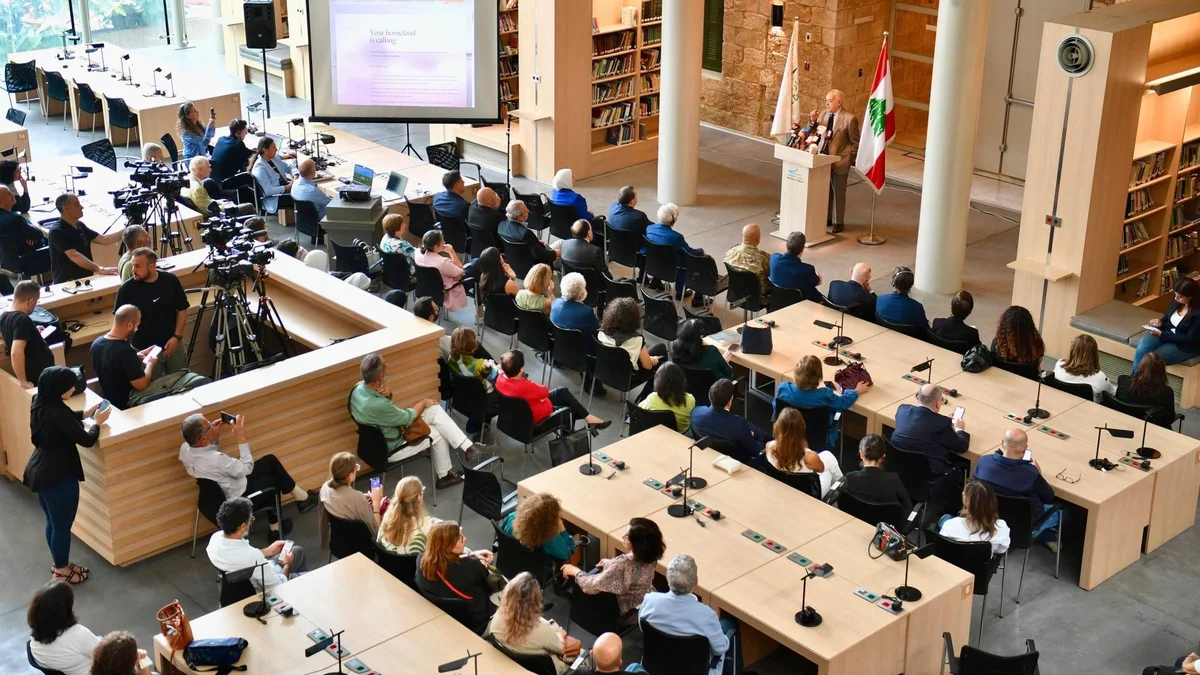
Qatari Prime Minister Mohammed bin Abdulrahman Al Thani announced plans on 16 October 2026 to modernize Lebanon's power infrastructure. This initiative also includes measures to support the Lebanese Armed Forces. The proposal aims to address critical utility requirements within the country. Official statements from the Qatari government indicate these efforts are intended to stabilize key sectors. These projects follow discussions regarding the long-term needs of Lebanon. No further details regarding the specific timeline or the technical scope of the power grid upgrades were released during the announcement. The government of Qatar continues to evaluate its role in providing assistance to the Lebanese state as part of its ongoing international policy. On October 16, 2026, Qatari Prime Minister Mohammed bin Abdulrahman Al Thani announced plans to modernize Lebanon's power infrastructure and support the Lebanese Armed Forces, noting the strategic importance of these utility improvements for the national stability of Lebanon.
Proposed Energy Infrastructure Projects
A proposed build-operate-transfer project involves the construction of two 825-megawatt gas-fired power plants. These facilities are slated for locations at Deir Ammar and Zahrani. The initiative further includes a 20-year liquefied natural gas supply agreement to support operations at the sites. A proposed build-operate-transfer project includes two 825-megawatt gas-fired power plants at Deir Ammar and Zahrani, plus a 20-year liquefied natural gas supply agreement. These specific sites were selected to maximize the efficiency of the energy delivery network across the country.
Qatar announced $434.2 million in assistance to Lebanon in January 2026. This financial package includes up to $400 million specifically designated for the electricity sector. The remaining funds are allocated for broader aid within the country. In January 2026, Qatar announced $434.2 million in assistance to Lebanon, including up to $400 million for the electricity sector, which shows the priority placed on resolving the chronic power shortages currently affecting the Lebanese population.
Historical Context of Aid
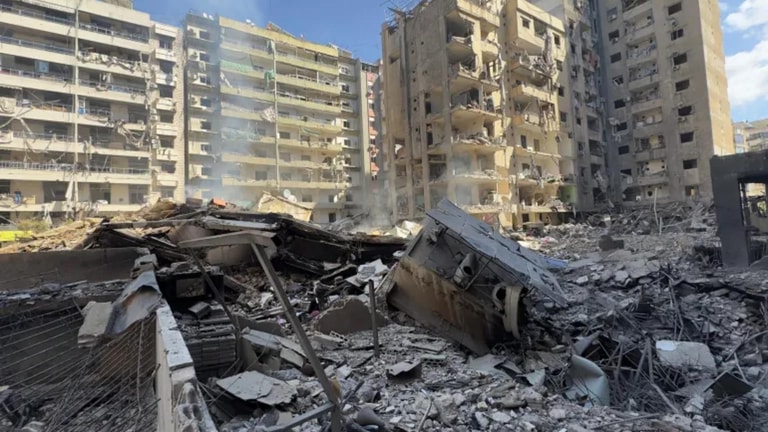
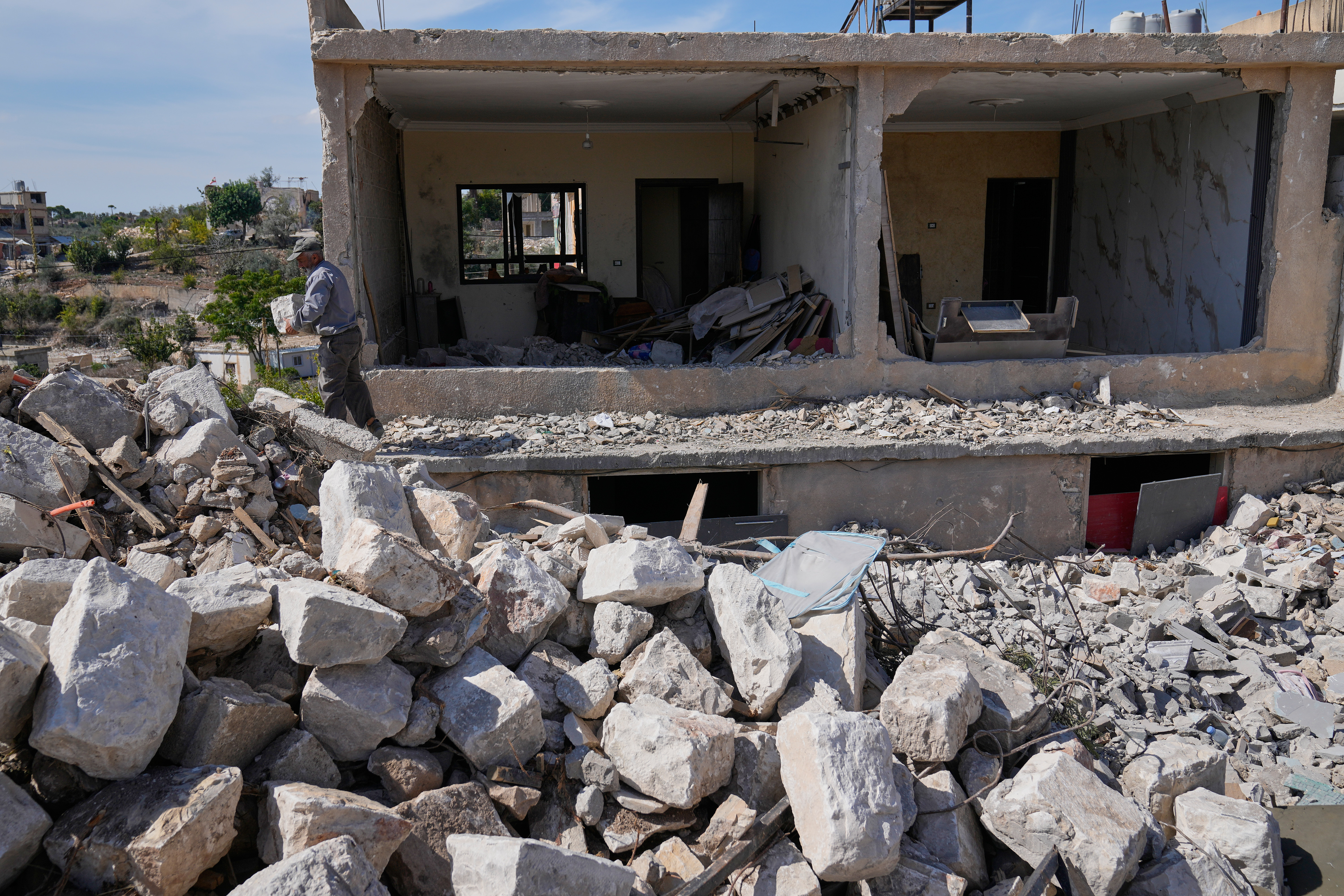
Qatar pledged approximately $300 million to rebuild four towns in southern Lebanon following the 2006 Israel-Hezbollah war. This commitment represented a significant portion of the country's early reconstruction efforts after the conflict. Following the 2006 Israel-Hezbollah war, Qatar pledged approximately $300 million to rebuild four towns in southern Lebanon, marking a long-standing commitment to the region.
Current aid discussions involve the U.S.-sponsored Trilateral Framework Agreement, which was established between Lebanon, Israel, and the United States on 26 June 2026. This agreement ties future reconstruction assistance to the disarmament of Hezbollah. The framework functions as a conditional mechanism for international funding, linking economic support to regional security benchmarks. The June 26, 2026, U.S.-sponsored Trilateral Framework Agreement between Lebanon, Israel, and the United States ties reconstruction assistance to Hezbollah's disarmament.
Lebanese Prime Minister Nawaf Salam addressed the legal status of this agreement in September 2026. He stated that the Trilateral Framework served as a basis for negotiations rather than a legally binding treaty. This distinction remains a subject of debate regarding how the agreement influences the delivery of aid and the broader infrastructure planning for Lebanon. In September 2026, Lebanese Prime Minister Nawaf Salam stated that the Trilateral Framework was a basis for negotiations rather than a legally binding treaty, a position that continues to shape the diplomatic landscape surrounding international aid and infrastructure development.