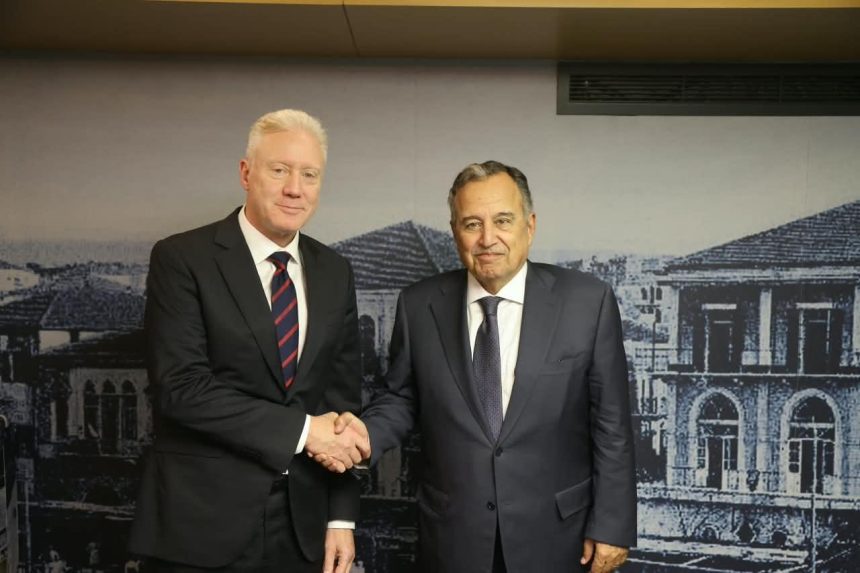
Qatari Prime Minister Sheikh Mohammed bin Abdulrahman Al-Thani visited Lebanon in mid-October 2026 to discuss potential support for the country’s electricity sector. During these meetings, Qatar proposed the construction of two combined-cycle gas-fired power plants to address national energy shortages. Each of the facilities is designed to have a capacity of 825 MW. These infrastructure projects represent a significant potential investment from the Gulf nation aimed at bolstering the power generation capabilities of Lebanon. The proposal follows discussions between the Qatari delegation and local officials regarding the operational requirements of the energy grid. Both plants are intended to function as major components of the national electricity network, providing consistent power output to meet rising domestic demand.
Proposed Power Plant Infrastructure
QatarEnergy identified specific locations for the two proposed combined-cycle gas-fired power plants during meetings with Lebanese officials. One facility is designated for construction at Deir Ammar in northern Lebanon. The second plant would be situated at Zahrani in the south. These sites align with existing energy infrastructure requirements to support the national electricity network. By placing these generation facilities in the north and south, the proposal aims to distribute power capacity across the country. Lebanese authorities reviewed the technical requirements for these locations as part of the broader energy infrastructure plan discussed with the Qatari delegation. The integration of these sites remains central to the project’s objective of addressing national energy shortages.
LNG Supply and Storage Plans
QatarEnergy would enter into a 20-year agreement to supply liquefied natural gas to Lebanon under the terms of the new proposal. This long-term contract aims to ensure a consistent fuel supply for the national energy network. To facilitate these imports, the infrastructure plan includes the deployment of a floating storage and regasification unit. Technical specifications for the unit indicate a processing capacity of 3.5 million cubic meters per day. This facility is intended to convert the imported liquefied gas into a gaseous state for distribution to the power plants. The integration of this regasification capacity represents a primary step in establishing the necessary supply chain for the proposed electricity generation facilities.
Integration of Renewable Energy Sources
QatarEnergy included a renewable energy component in its proposal to diversify the power generation portfolio of Lebanon. The plan incorporates 800 MW of solar power and 440 MW of wind power. Integrated battery storage systems are also part of the design to manage energy fluctuations and ensure grid stability.
Logistical planning for the energy sector relies on the existing Arab Gas Pipeline that transits through Syria. This infrastructure is designated to support the national network with a processing capacity of 4.5 million cubic meters per day. The proposal intends to utilize this pipeline as a conduit for fuel or electricity transfers to supplement domestic production.
Lebanese energy authorities and the Qatari delegation established targets for initial electricity imports from Syria to address immediate shortages. The plan outlines the acquisition of 300 MW of power from Syrian sources. Energy would be transferred to the national grid through two separate routes to ensure redundancy and operational continuity. These imports are intended to serve as a bridge while the planned power plants and renewable infrastructure are brought online.