The Villages We Carry event took place in the PHIVE community space in Parramatta, Sydney. Organizers launched the initiative to create a digital archive documenting southern Lebanese communities affected by war and displacement. This project focuses on preserving the history and personal narratives of residents from villages throughout southern Lebanon. By collecting stories and records, the archive intends to maintain a record of these areas for future generations. The initiative provides a platform for those impacted by regional instability to share their experiences and safeguard their heritage. Participants at the Parramatta location contributed to the ongoing effort to digitize memories and cultural artifacts. The archive remains a central effort to document the human impact of displacement on these specific populations.
Documenting Lost Ancestral Landscapes
A New York Times analysis found that 48 out of 60 villages in occupied areas of southern Lebanon have been mostly levelled. The Israeli Defense Forces stated they have been dismantling infrastructure used by Hezbollah to launch rockets into northern Israel.
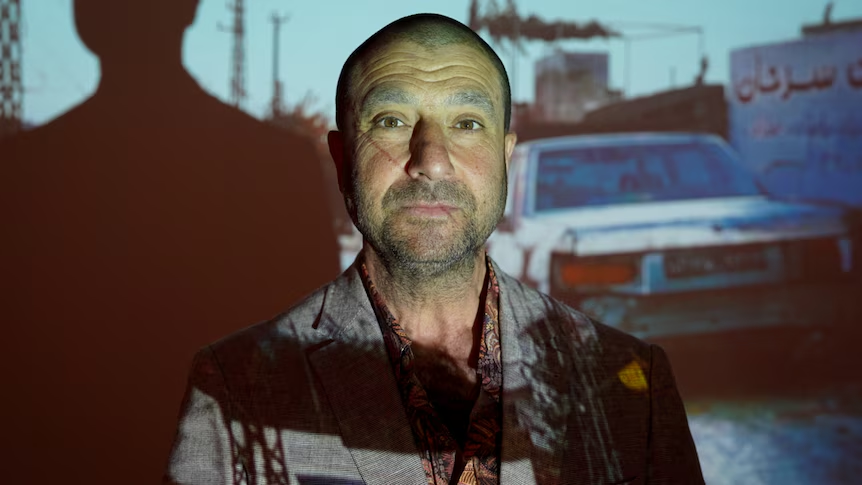
Saber Serhan contributed photographs of his ancestral village of Kfar Kila taken in 2000 to the archive. Regarding these images, Saber Serhan said, "In light of what's happening, I see that what I captured at the time with my film camera was a moment in time, and it's been preserved." Zeinab Mahfoud, curator of The Villages We Carry project, observed the significance of such contributions. She stated, "Since mass migration from southern Lebanon, we've lost that connection. We've lost the connection to families, we've lost the connection to the land, and so these photographs not only take us there, but they help us reconnect."
Amani Haydar also participated by sharing a photograph of her uncle. She explained, "I thought it would be a good one to bring around because it kind of captures a moment in time, and you can see him standing proudly in front of his shop, which unfortunately he's since lost." Reflecting on the broader importance of the project, Amani Haydar added, "The most powerful thing that we can do right now is to hold on to that memory, to affirm that connection to those places and to tell the stories."