Lebanon's Foreign Minister Youssef Raggi stated on August 31, 2026, that international relations should be conducted solely through official state institutions, implicitly addressing the role of non-state actors like Hezbollah. Raggi emphasized that "rationality in relations between states begins, first and foremost, with engaging with states through their legitimate constitutional institutions, rather than with internal ‘parties’ or ‘factions’." This assertion showed a fundamental principle of sovereignty and diplomatic protocol, noting the Lebanese government's stance on external engagements. He added, "Just as Iran, or any other host country, would not accept a Lebanese ambassador bypassing its official institutions to engage independently with parties or factions, Lebanon does not accept such conduct either." This parallel served to illustrate the universally accepted norms of international relations that Lebanon seeks to uphold. The Lebanese government, under pressure from Washington, has pushed for the disarmament of all militias, including Hezbollah, as part of its broader effort to consolidate state authority and control over national security and foreign policy. Foreign Minister Raggi's statements reinforced the government's commitment to these principles, particularly in the context of regional complexities.
Diplomatic Spat Unfolds
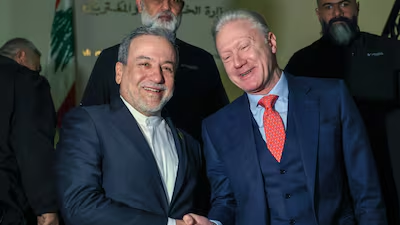
Iran's ambassador to Lebanon, Mohammad Reza Sheibani, was declared persona non grata by Lebanese authorities in late March. This significant diplomatic development followed Foreign Minister Youssef Raggi's earlier statements about the importance of state-to-state engagement, signaling a firm stance by Beirut on its diplomatic principles. The declaration reflected growing tensions and Lebanon's insistence on proper diplomatic channels. Meanwhile, Lebanese President Joseph Aoun and Prime Minister Nawaf Salam have initiated direct discussions with Israel. These talks, a critical diplomatic endeavor, aim to conclude ongoing hostilities between the two nations and foster a more stable regional environment. The decision by President Aoun and Prime Minister Salam to engage directly with Israel notes a shift in Lebanon's approach to resolving long-standing conflicts. The diplomatic moves unfold as Lebanon's government continues to emphasize the role of official institutions in its international engagements, seeking to assert its sovereign authority in foreign policy decisions.
Hezbollah's Role and Regional Impact
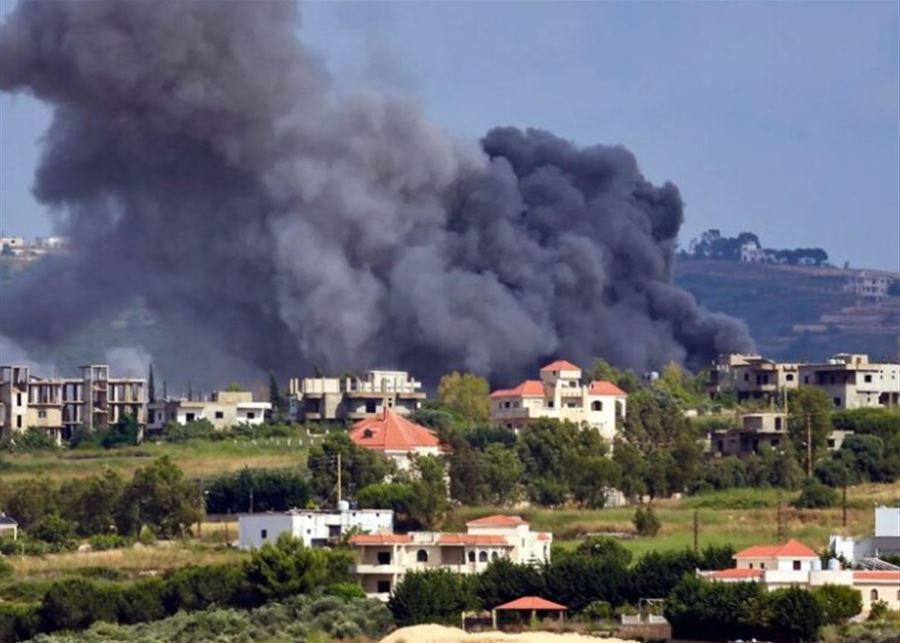
The latest conflict commenced on March 2, when Hezbollah launched missile attacks against Israel, stating the actions were in support of Iran. These attacks marked a significant escalation in regional tensions, drawing international concern. Following these military actions, Lebanese President Joseph Aoun and Prime Minister Nawaf Salam have subsequently declared Hezbollah's military activities illegal. This declaration from the highest levels of Lebanese government showed the state's position that Hezbollah's military actions are not sanctioned by the official institutions of Lebanon and undermine national sovereignty. In response to the missile attacks, Israel's military has carried out operations that have resulted in the deaths of more than 4,000 people. The scale of this human tragedy has drawn widespread condemnation. These military actions have also led to the destruction of dozens of villages located in southern Lebanon, causing immense displacement and humanitarian crisis in the region. The impact of these hostilities has been profound, affecting countless lives and infrastructure.
Iran's Criticism and Lebanon's Response
Iran's ambassador to Lebanon's visa was renewed in late August following a compromise agreement between the two nations. Despite the renewal, Mohammad Reza Sheibani did not regain his full diplomatic status, indicating that the initial declaration of persona non grata still held weight and that the compromise was partial. This development occurred amidst ongoing tensions and Lebanon's emphasis on state-to-state engagement, as articulated by Foreign Minister Youssef Raggi. The renewal of the visa, while not restoring full diplomatic privileges, allowed for the ambassador's continued presence in Beirut, preventing a complete breakdown of diplomatic ties. The Lebanese authorities had previously declared Ambassador Sheibani persona non grata in late March, a move that signaled a firm stance on diplomatic protocols and the principle that international relations must be conducted through official state institutions. The subsequent compromise regarding his visa indicates a complex negotiation process aimed at managing bilateral relations while upholding the principles articulated by Lebanese Foreign Minister Youssef Raggi regarding state authority in foreign affairs. The situation reflects the delicate balance Lebanon seeks to maintain in its regional and international relations.