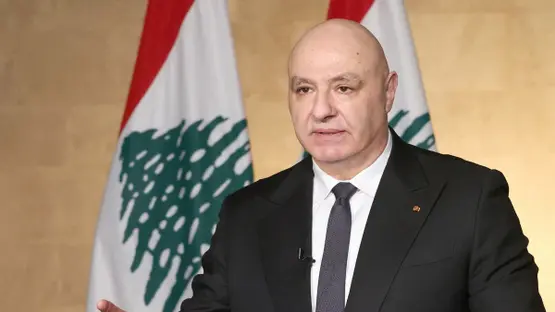
Lebanese President Joseph Aoun requested support from Greece on Monday, seeking assistance for the implementation of a framework deal signed between Israel and Lebanon in late June. This appeal for Greek intervention shows the complex and often volatile diplomatic landscape of the Middle East, where international mediation is frequently sought to navigate entrenched conflicts. President Aoun made the appeal while emphasizing that the agreement cannot be implemented unilaterally, noting the need for concerted effort from all parties involved and international backing. "Lebanon and the Lebanese people are tired of wars, and from the start of the negotiations with Israel the aim was to put an end to the state of hostility," Aoun stated, articulating a widespread desire for peace and stability within his nation. He added, "The framework agreement... Cannot be implemented unilaterally. It needs to be implemented on both sides," stressing the reciprocal nature of the commitments required for the deal's success. Aoun specifically asked for Greek help, saying, "We request Greece’s assistance as much as possible to help Lebanon." This request positions Greece as a potential neutral arbiter or facilitator in a region where such roles are critical. He further stressed that "Solving the problem by military force will not succeed," reinforcing the belief that only diplomatic solutions can bring lasting peace and an end to the cycle of violence.
Framework Deal Details and Context
The framework deal represents a significant diplomatic undertaking, emerging from direct talks initiated between Israel and Lebanon. These discussions were specifically aimed at concluding long-standing hostilities that have plagued the two nations for decades, contributing to regional instability and humanitarian crises. The negotiations were a testament to the persistent efforts to find a peaceful resolution despite deep-seated mistrust and historical grievances. The framework agreement resulting from these discussions outlines specific conditions for de-escalation and stability, seeking to establish a new paradigm for their shared border and security arrangements.
Among its key provisions, the deal stipulates the disarmament of Hezbollah, an Iran-backed militant group whose significant military capabilities have long been a point of contention and a source of regional tension. This disarmament is viewed as a key step towards reducing the potential for future conflict and asserting the Lebanese state's sole authority over its territory. Additionally, the agreement calls for the deployment of the Lebanese army to areas within south Lebanon, a region that has historically been a flashpoint for conflict. This deployment is planned to commence in designated "pilot zones" before expanding to cover the broader region, allowing for a phased and managed transition of security responsibilities. The framework deal also explicitly calls for a gradual withdrawal of Israeli forces from south Lebanon, a move intended to alleviate the military occupation and restore Lebanese sovereignty fully. This reciprocal arrangement of disarmament, Lebanese army deployment, and Israeli withdrawal forms the core of the proposed path to de-escalation. The implementation of these measures is seen as vital for creating a buffer zone and preventing future cross-border incursions. The full nature of these provisions reflects an attempt to address the root causes of instability and establish a more secure environment for both nations.
Escalation and Impact
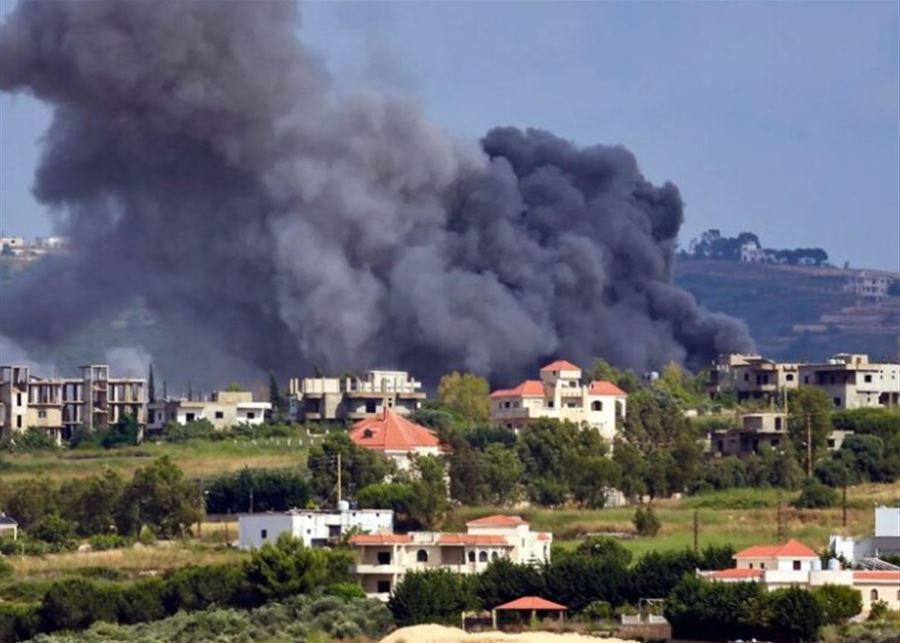
The urgency surrounding the implementation of this framework deal has been tragically showed by recent events. Iran-backed Hezbollah drew Lebanon into the broader Middle East war in March, significantly escalating an already tense situation. This action by Hezbollah had profound and immediate consequences for Lebanon, plunging the nation deeper into a conflict it could ill afford. This development prompted a significant response from Israel, which launched massive strikes and initiated a ground invasion in Lebanese territory, further intensifying the military confrontation. The military actions have had a severe impact on Lebanon, according to reports, leading to widespread destruction and immense human suffering.
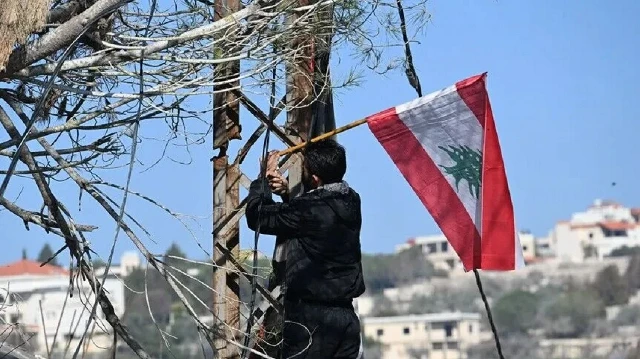
The humanitarian toll of this latest conflict has been devastating. Israeli attacks since the latest war erupted have resulted in the deaths of more than 4,300 people in Lebanon, a grim testament to the ferocity of the fighting. The strikes have also caused extensive damage to infrastructure and communities, crippling essential services and displacing thousands of civilians. Between 60 and 70 villages across Lebanon have been destroyed as a direct consequence of the Israeli military operations, leaving behind ruins and forcing countless families to abandon their homes and livelihoods. This widespread destruction has exacerbated an already fragile economic situation in Lebanon and created a profound humanitarian crisis, necessitating urgent international aid and reconstruction efforts. The escalation marks a period of intensified conflict and humanitarian concern in the region, noting the critical need for effective diplomatic solutions to prevent further loss of life and destruction.
Diplomatic Maneuvers and Challenges
The diplomatic landscape surrounding the Israeli-Lebanese conflict is further complicated by other regional developments. Greece and Israel recently announced a multibillion-dollar arms deal, a development that coincides with ongoing diplomatic efforts concerning Lebanon. This arms deal, while not directly related to the framework agreement, notes the complex web of alliances and security considerations in the Eastern Mediterranean. The framework deal between Israel and Lebanon, which seeks to end hostilities, calls for a gradual withdrawal of Israeli forces from south Lebanon, a key component for restoring stability to the border region. Amidst these discussions and recent conflict, Israeli attacks have wounded more than 12,000 people in Lebanon, adding immense urgency to stability efforts and showing the human cost of continued hostilities. These injuries represent a significant burden on Lebanon's already strained healthcare system and contribute to the widespread trauma experienced by the population.
In a related diplomatic effort, Lebanon is actively seeking a renewal of the mandate for the United Nations Interim Force in Lebanon (UNIFIL), whose current mandate expires at the end of this year. UNIFIL has played a key role in maintaining a fragile peace along the Blue Line, the demarcation line between Lebanon and Israel, since its establishment in 1978. Its presence is seen by many as a vital component of stability in south Lebanon, acting as a buffer and monitoring compliance with resolutions. However, the United States and Israel have expressed opposition to a renewal of UNIFIL's mandate, complicating the peacekeeping force's future role in the region. This opposition stems from various concerns, including the perception of UNIFIL's effectiveness and its ability to prevent Hezbollah's activities in the area. The potential non-renewal of UNIFIL's mandate adds another layer of uncertainty to the security situation in south Lebanon and could further destabilize a region already grappling with the aftermath of intense conflict. The differing views on UNIFIL's future show the deep divisions and challenges that persist in achieving a lasting peace between Israel and Lebanon, making President Aoun's plea for Greek assistance all the more significant as a potential avenue for international support and mediation.