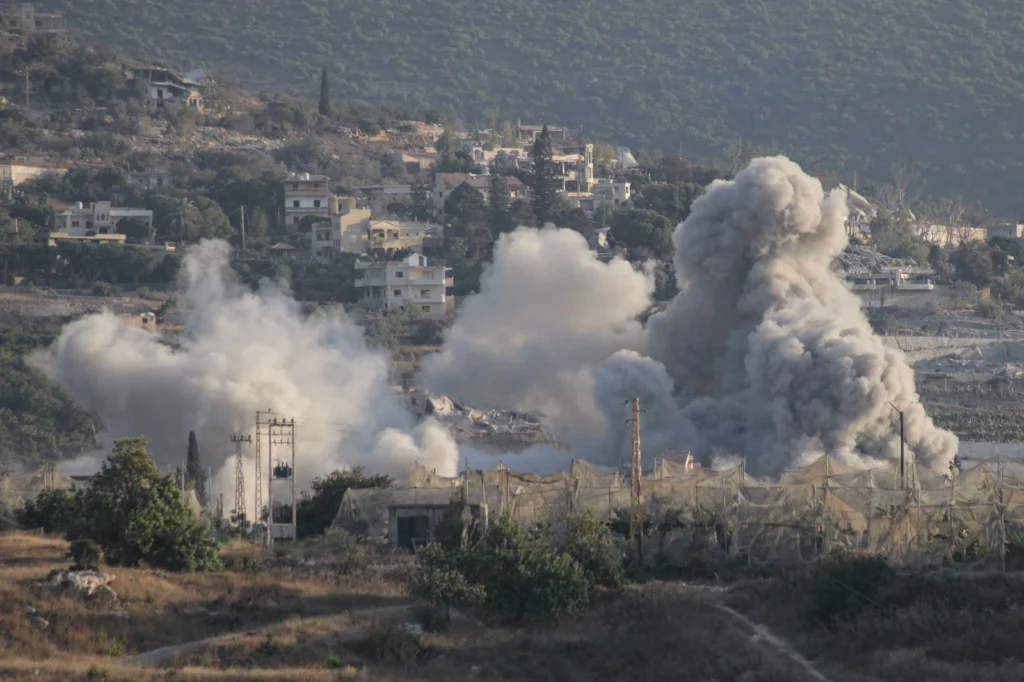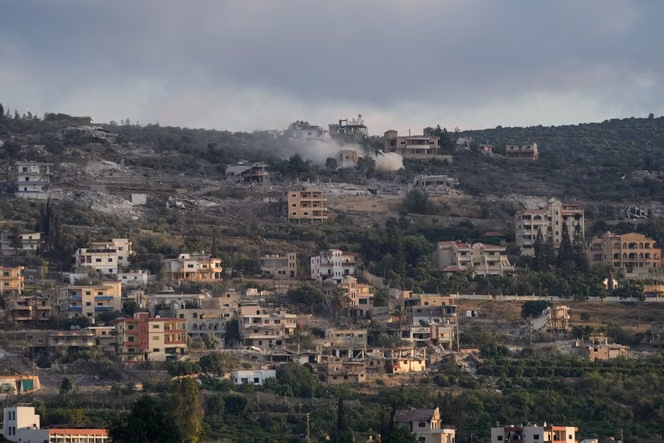
Lebanon's army officially received Malek Ghazi, a civilian returned by the International Committee of the Red Cross (ICRC), on Thursday, September 3, 2026. This transfer marked a significant development in the ongoing efforts to resolve issues stemming from recent conflicts. The ICRC, acting as a neutral intermediary, facilitated Ghazi's return, showing the humanitarian aspect of these complex negotiations. This handover followed Israel's announcement on the same day of the release of five civilians who had been captured in southern Lebanon. Israel stated that these five individuals were not members of any terrorist organization and had no reason for continued detention, emphasizing their status as non-combatants. The Israeli announcement detailed that these individuals had been held after being apprehended during military operations in the region. The release occurs as Lebanon was drawn into the Middle East war in 2026 after launching rockets at Israel, following the escalation of the Israel-Hezbollah war into a full-blown conflict in 2024. These events come after a US-Iran memorandum of understanding and an Israel-Lebanon framework agreement were agreed upon in June, setting a diplomatic stage for such exchanges. The return of Malek Ghazi represents a tangible outcome of these broader diplomatic initiatives and the initial steps towards de-escalation.
Details of the Exchange
The release of four additional civilians, comprising two Lebanese nationals and two Syrians, has been postponed until Friday, according to officials involved in the exchange. This postponement, while delaying a full release, keeps the door open for further transfers in the immediate future. The individuals awaiting release include citizens from both Lebanon and Syria, noting the regional scope of those affected by the conflicts. Meanwhile, Lebanese authorities have compiled a full list detailing more than 30 individuals reportedly seized by Israel during the 2024 war and a subsequent conflict in 2026. This extensive list includes at least one Syrian national, in addition to several Hezbollah fighters, reflecting the diverse backgrounds and affiliations of those detained. The compilation of this list shows Lebanon's commitment to accounting for all its citizens and others held by Israeli forces.
During the exchange process, the Israeli military successfully recovered the remains of a soldier who was killed in eastern Lebanon in 1982. This recovery notes the complex and long-standing nature of such exchanges between the two nations, often involving efforts to repatriate remains from decades-old conflicts. The recovery of the soldier's remains was a significant objective for Israel, demonstrating the enduring importance placed on accounting for military personnel. This aspect of the exchange showcases the multifaceted nature of these negotiations, which extend beyond living prisoners to include those lost in past hostilities. The ongoing negotiations are expected to address the remaining individuals on the Lebanese list, as diplomatic efforts continue to facilitate further releases and recoveries. The compiled list serves as a key document in these discussions, outlining the identities and circumstances of those still detained or missing from previous conflicts, providing a clear framework for future dialogue.
Background and Broader Context
The decision to release civilians followed extensive efforts by Israel and Lebanon to locate and return the bodies of Lebanese Jewish community leaders abducted and killed in the 1980s. This process shows the complex historical dimensions that often accompany current negotiations between the two nations, where past grievances and unresolved issues frequently resurface. The efforts to repatriate these remains were a significant precursor to the current civilian exchange, demonstrating a willingness by both sides to engage on sensitive humanitarian issues. Lebanon claims Israel's airstrikes and ground invasion have killed more than 4,300 people since the conflicts began, a figure that includes both military personnel and a substantial number of civilians. The casualty figures highlight the severe human cost of the ongoing hostilities that have affected the region, painting a grim picture of the impact on human lives and infrastructure. The 2024 escalation of the Israel-Hezbollah war into a full-blown conflict profoundly reshaped the regional security landscape, leading to widespread destruction and displacement. This broader conflict, which saw Lebanon drawn into the Middle East war in 2026 after launching rockets at Israel, created the urgent need for diplomatic interventions and humanitarian exchanges. The involvement of international bodies like the ICRC has been key in navigating the humanitarian consequences of these protracted conflicts.
Diplomatic Efforts and Future Steps
The Lebanon-Israel deal, which underpins these recent developments, outlines several key provisions aimed at ensuring long-term stability. These provisions include the disarmament of Hezbollah, a phased withdrawal of Israeli forces from south Lebanon, and the deployment of the Lebanese army to the region to assert state sovereignty and maintain order. These elements represent ambitious goals that require sustained diplomatic engagement and cooperation from all parties. Lebanese Prime Minister Nawaf Salam expressed profound gratitude to the American administration for its involvement in facilitating the recent release. Salam stated, "the American administration... For the efforts exerted in this regard," acknowledging the key role played by Washington as a mediator. He also affirmed his unwavering commitment to securing the freedom of all Lebanese detainees, emphasizing that this exchange is merely a step in a larger process.
Prime Minister Salam pledged to continue efforts "until the release of all our prisoners" and to work towards an Israeli withdrawal from Lebanese territory, aligning with the provisions of the broader deal. He further emphasized the importance of "the disclosure of the fate of the missing," indicating a broader scope for future negotiations beyond just direct exchanges, encompassing a full accounting of all individuals affected by the conflicts. This commitment shows Lebanon's position on resolving all outstanding issues related to the conflicts, not just immediate prisoner swaps. The United States has acknowledged the cooperation shown by both nations in these initial stages. A US State Department spokesperson commended Israel and Lebanon "for demonstrating good faith through these initial steps," signaling Washington's approval of the progress made and encouraging further engagement. These initial steps are seen as key for building momentum in the broader diplomatic process aimed at de-escalation and long-term stability in the region, particularly in the wake of the 2024 and 2026 conflicts. The ongoing dialogue is expected to address the remaining points of contention within the framework of the agreed deal, paving the way for a more full resolution.