Diplomatic sources reported on 22 October that the meetings held in Tampa yielded results described as very bad for Lebanon. These discussions, which involved international stakeholders, concluded with outcomes that have deepened concerns regarding the stability of the country. Officials familiar with the proceedings indicated that the conclusions reached in Tampa represent a significant setback for the current political environment in Lebanon. No specific details regarding the agenda or the individual participants were disclosed by the sources following the conclusion of the talks. The situation remains fluid as domestic stakeholders await further information regarding the implications of the developments. These reports have contributed to an atmosphere of uncertainty across the country as local observers monitor the potential consequences of the international engagement.
The diplomatic sessions held in Tampa served as a focal point for assessing the future of international involvement within the Lebanese state. The nature of the discussions reflected a shift in how international stakeholders view the current security architecture of the nation. By characterizing the results as very bad for Lebanon, diplomatic sources showed the gravity of the positions taken during these high-level talks. The lack of transparency regarding specific participants has further fueled speculation among political actors regarding the future trajectory of the country’s internal and external affairs.
International Forces Withdrawal Timeline
United States representatives informed Lebanese officials during the meetings in Tampa that international forces stationed in Lebanon are scheduled to conclude their operations by the end of 2026. This timeline dictates the cessation of current international peacekeeping mandates within the country. The announcement of this specific withdrawal date marks a definitive shift in the operational parameters for foreign personnel currently deployed in the area.
The United States proposal suggests that only the Lebanese Army and the Israeli Army should maintain a presence in Southern Lebanon following the withdrawal of the international forces. This shift would fundamentally alter the security arrangements currently governing the border region. By limiting the operational presence to these two specific entities, the proposal seeks to redefine the long-standing security dynamics that have existed in Southern Lebanon for years.
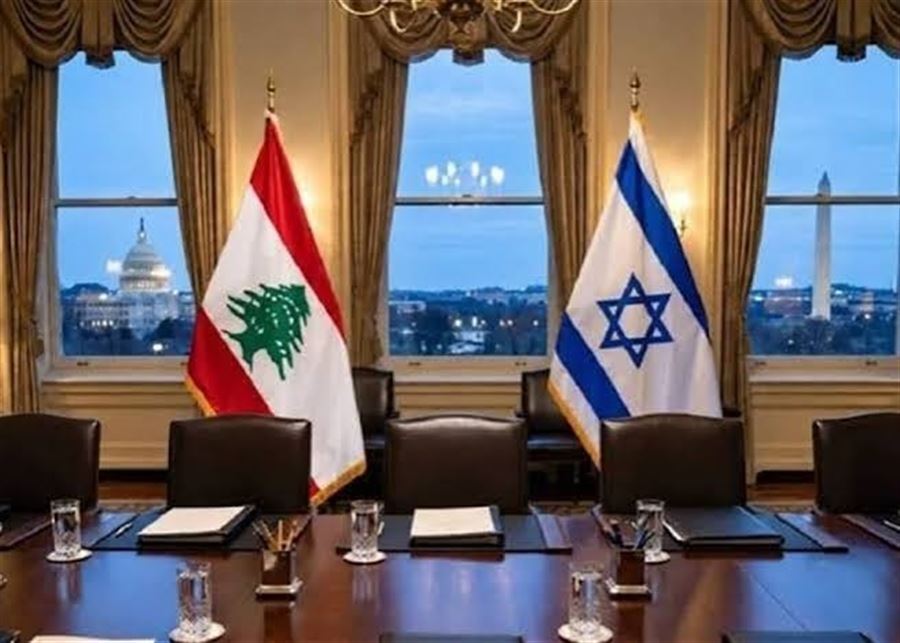
Lebanese officials officially rejected the United States proposal to move toward direct bilateral negotiations between Lebanon and Israel. The government communicated this position during the diplomatic sessions to address the suggested transition in security responsibilities. This rejection notes the complexities inherent in the proposed security transition and the resistance from Lebanese leadership toward the specific framework offered by the United States.
International messages were sent to Lebanon emphasizing the necessity of maintaining neutrality regarding any potential escalation between Israel and Iran. These communications highlight the expectations held by international stakeholders concerning the involvement of the Lebanese state in broader regional tensions. The emphasis on neutrality serves as a clear indication of the international community's concerns regarding the potential for expanded conflict and the role of Lebanon in such a scenario. The government’s response to these messages remains a critical component of the ongoing diplomatic discourse.