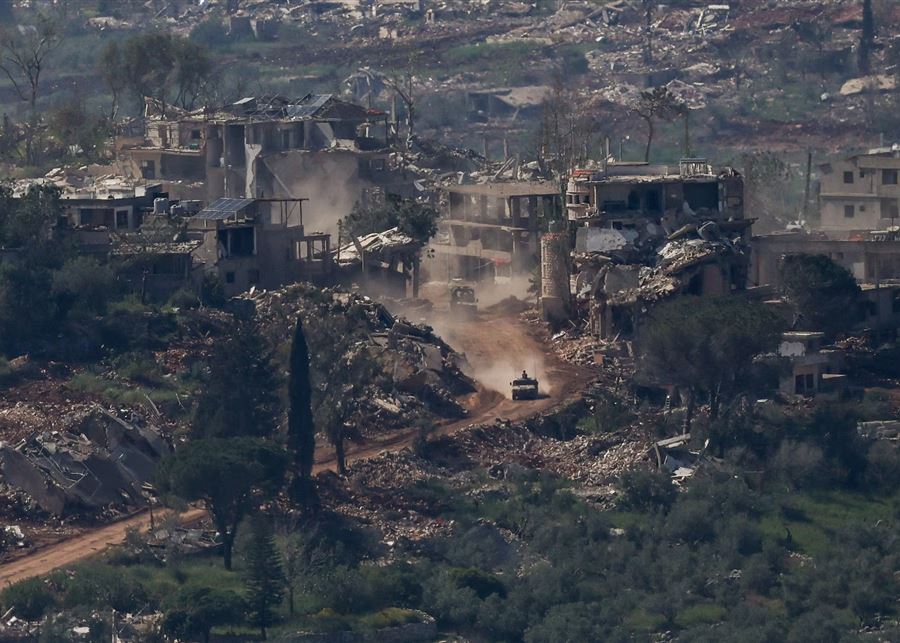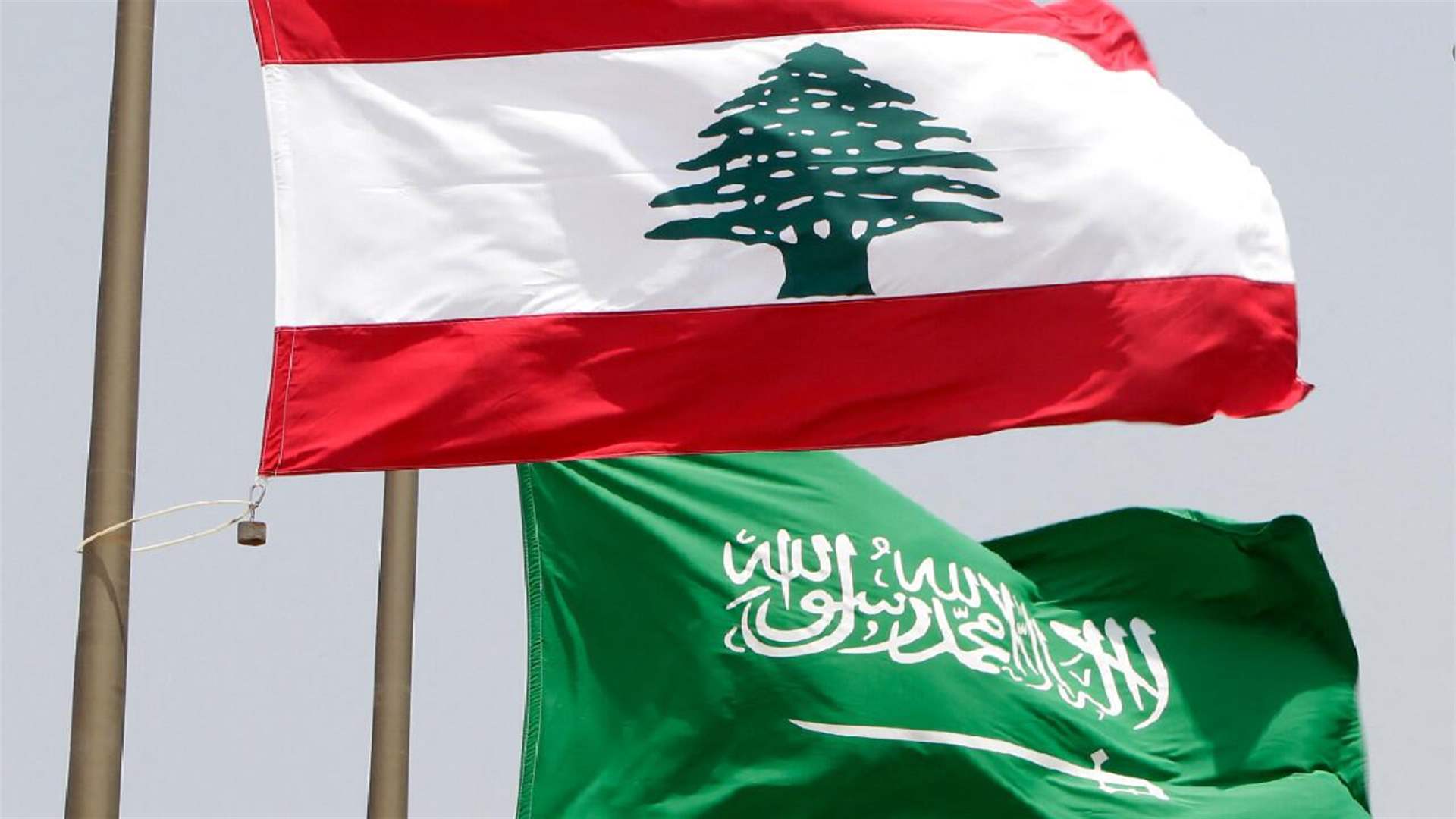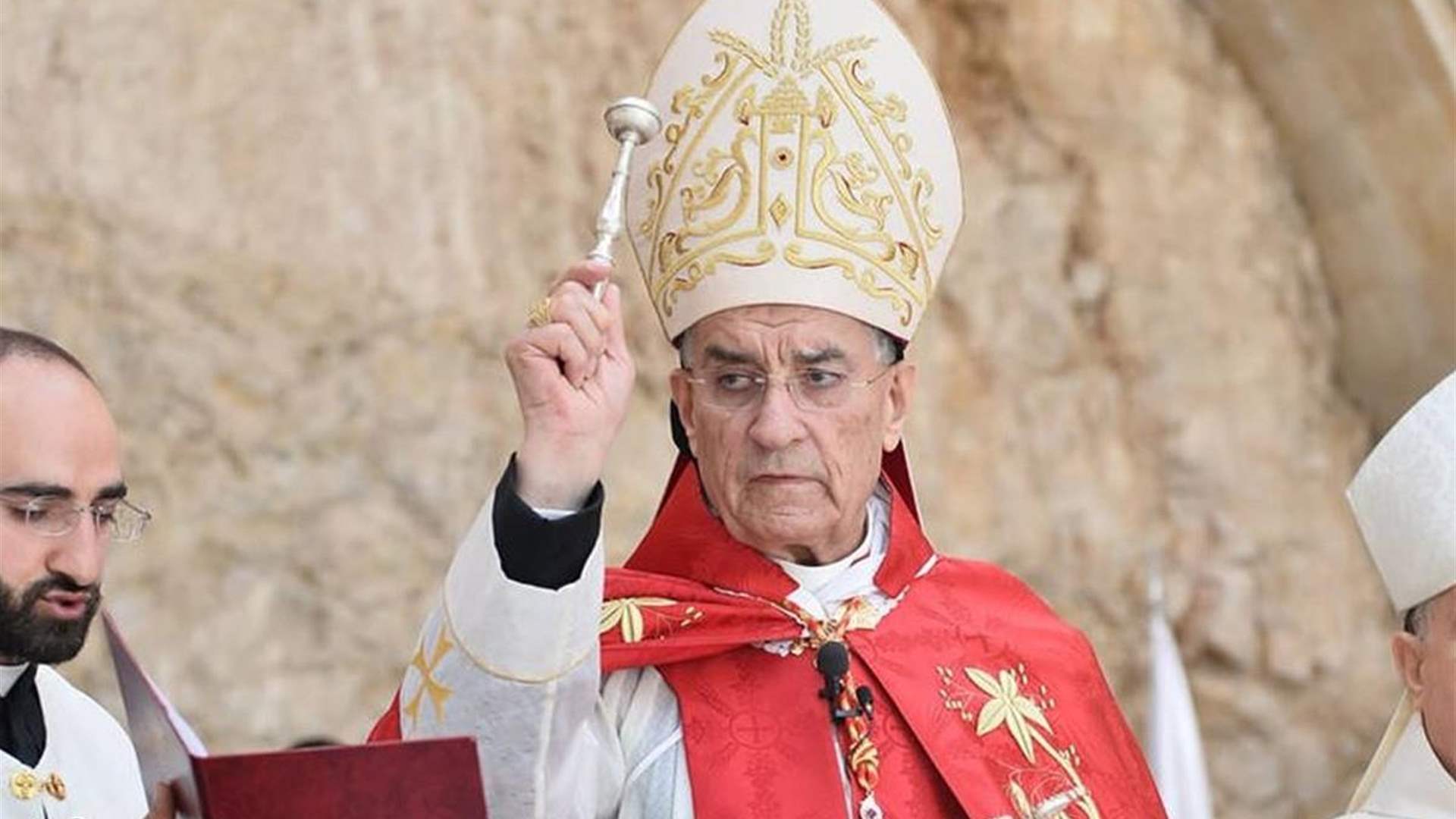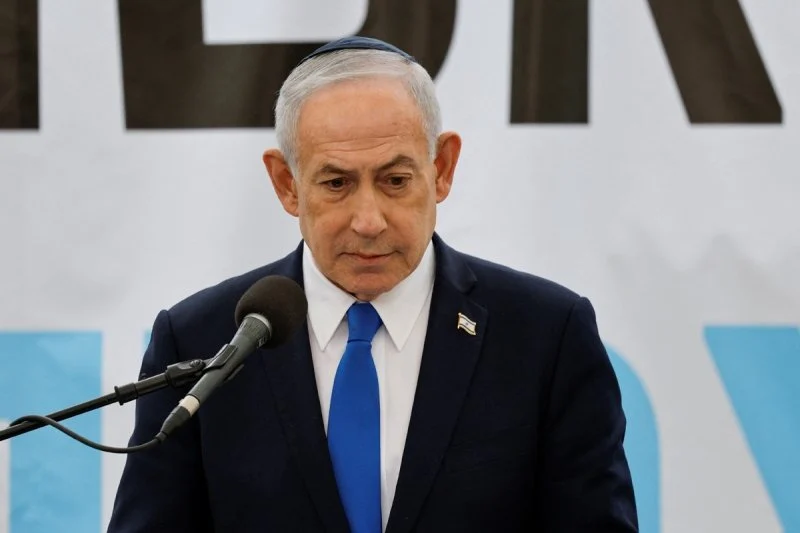
Lebanon remains mired in deep political stagnation as the country continues to grapple with the long-term consequences of a severe financial collapse. The Lebanese banking crisis began in 2019, triggering widespread economic instability that decimated household savings and paralyzed the national financial system.
Government authorities subsequently acted to address the worsening fiscal shortfall by suspending eurobond payments in 2020. This decision marked a formal default on sovereign debt, effectively locking the state out of international capital markets. These events established the foundations of the current economic environment, which remains characterized by limited liquidity and restricted access to foreign currency. The resulting conditions have significantly impacted the national economy, leaving state institutions struggling to implement reforms or restore functional banking operations.
Economic Crisis and Stagnation
The Constitutional Council annulled a key article of the bank restructuring law in October 2026. This legal intervention impacts ongoing efforts to address the financial framework of the country. Financial data from the World Bank indicates that Lebanon's public debt reached 176.5 percent of gross domestic product in 2024. These figures reflect the scale of the fiscal burden currently impacting state institutions.
Khaled Abou Zahr of EurabiaMedia addressed the broader security and political climate surrounding these fiscal challenges. He stated, "There has been no real progress toward disarmament. The opposite might even be true, as it is business as usual for Hezbollah." This perspective on the influence of Hezbollah suggests that political and security-related stagnation persists alongside the economic difficulties. The inability to finalize reforms or stabilize the national debt continues to shape the operating environment for both the government and the financial sector.
Security Concerns and Hezbollah
Lebanese security forces intercepted a vehicle transporting 780 kg of explosives in October 2026. This seizure occurred as authorities attempted to maintain control over internal security amidst the broader climate of political instability. The incident involved the transport of materials that officials identified as high-grade explosive components, though the government provided no further details regarding the intended destination of the load.
Separately, Mihrac Ural, a former pro-Assad militia leader, was abducted in 2026. Reports indicate that unidentified armed individuals carried out the operation. Following his abduction, Mihrac Ural was transferred across the border into Syria. No group has claimed responsibility for the abduction, and the Lebanese security apparatus has not released information regarding the identity of those who conducted the move. The transfer of Mihrac Ural remains a point of concern for regional security observers, given his history as a militia leader. These developments regarding the seized explosives and the abduction of Mihrac Ural occur while the state faces significant challenges in enforcing internal order and managing external security pressures.