Lebanese authorities have arrested a former Syrian colonel and several accomplices, including two Lebanese and three Syrians, in connection with an alleged plot to carry out attacks. The arrests, announced today, mark a significant development in Lebanon's efforts to counter security threats. One of the detained Syrians is identified as a former colonel who served in the Syrian intelligence services. The individuals are accused of conspiring to orchestrate various attacks within Lebanese territory. This operation shows the ongoing vigilance of Lebanese security forces in addressing potential threats to national stability and regional security. The arrests highlight the complex nature of cross-border security challenges and the persistent efforts required to dismantle such networks.
Details of the Operation
Security forces seized "automatic weapons, hand grenades, sniper rifles and explosives" during the operation, according to an official. Initial investigations indicate the accused "were planning to carry out operations against government forces on the Syrian coast," the official stated. The alleged leader of the network is a former Syrian army major general, reportedly close to Syrian President Bashar al-Assad, and is currently based in Moscow. The precise locations of the arrests within Lebanon were not disclosed, nor were further details regarding the specific targets or methodologies of the alleged plot. The investigation remains ongoing as authorities work to uncover the full scope of the network's activities. The seized arsenal points to a well-equipped and potentially dangerous group, capable of executing sophisticated attacks. Authorities are meticulously examining the recovered materials to gain further insights into the network's capabilities and intentions.
Context and Previous Actions
Lebanese authorities last month extradited a former Assad-era general to Syria, who faced accusations of crimes including murder and torture. The extradition notes ongoing cooperation and challenges between the two nations regarding security and legal matters. This recent action by Lebanese authorities involved the transfer of an individual sought by the Syrian government for serious offenses committed during the conflict. The general's extradition came amid increasing pressure on Lebanon to address various security concerns and manage its relationship with its larger neighbor. The move shows the complex dynamics of regional security operations and the handling of individuals accused of grave violations within the Syrian conflict. This previous extradition provides a backdrop to the current arrests, illustrating the intricate balance Lebanon maintains in its security dealings with Syria. Both incidents reflect the persistent efforts by Lebanese authorities to manage security threats emanating from or connected to the Syrian conflict.
Alleged Network and Targets
The arrested individuals were allegedly planning attacks against the forces of Syria’s new government. This alleged plot suggests a focus on destabilizing the current Syrian administration. The network's intentions reportedly included targeting government forces operating on the Syrian coast. Lebanese security officials have not provided further specifics on the nature or scale of these planned operations. The investigation continues to explore the full extent of the network's alleged objectives and potential connections to other groups or individuals. Authorities are working to determine if the group had broader aims beyond the reported targets in Syria. The alleged focus on the Syrian coast indicates a strategic objective, potentially aimed at disrupting key operational areas for Syrian government forces. The implications of such attacks, had they been carried out, could have been significant for regional stability.
Seized Materials and Training
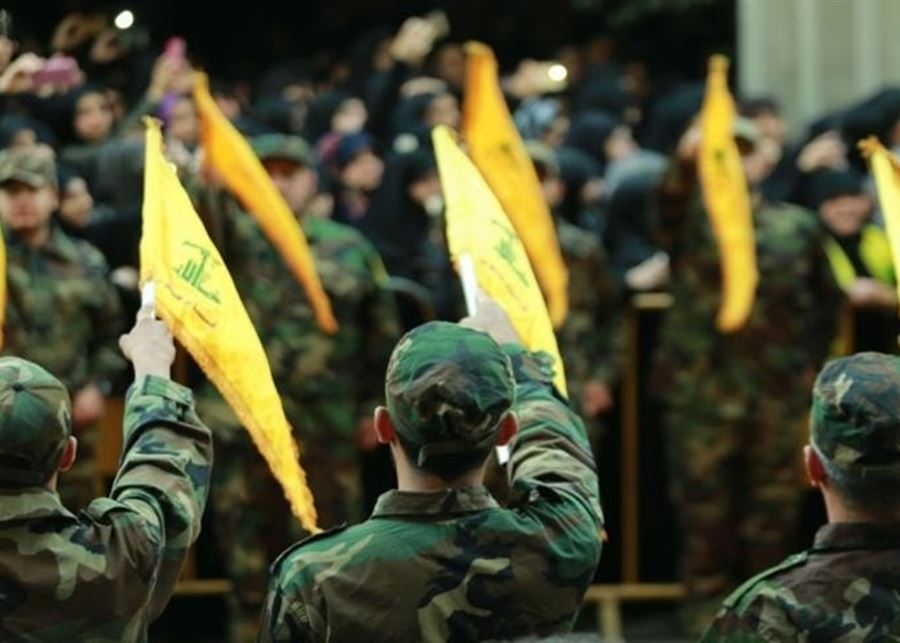
The arrested network’s members received "military training from Hezbollah fighters" in eastern Lebanon, according to the source. This training reportedly equipped them with skills for their planned operations. The location of this training in eastern Lebanon suggests a specific operational base or area of influence for the group. The involvement of Hezbollah fighters in providing military training adds another layer of complexity to the network's operations and its potential affiliations. This detail is key for understanding the resources and support available to the alleged conspirators. The nature of the training would likely have covered various combat techniques, including the use of the automatic weapons, hand grenades, sniper rifles, and explosives that were seized during the arrests.