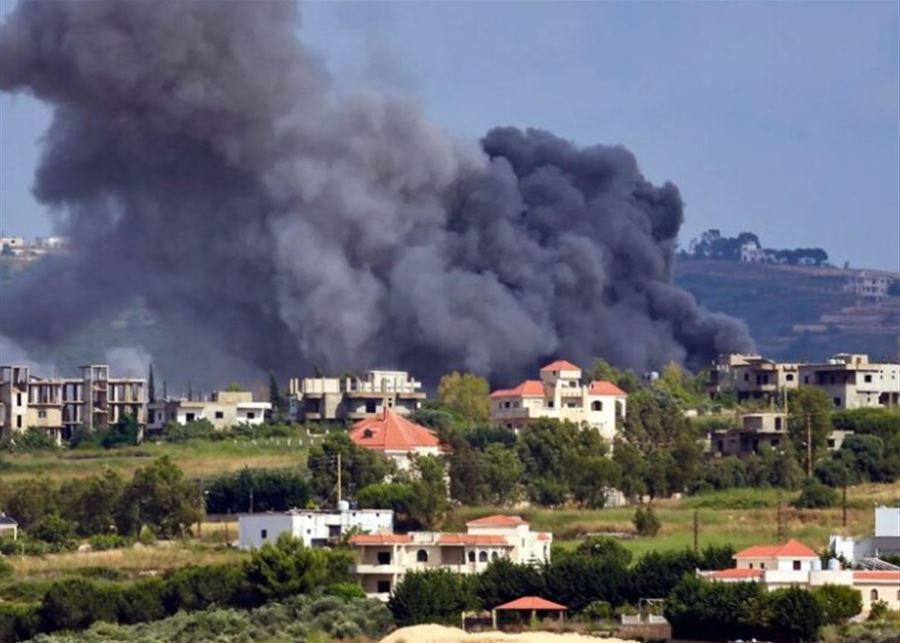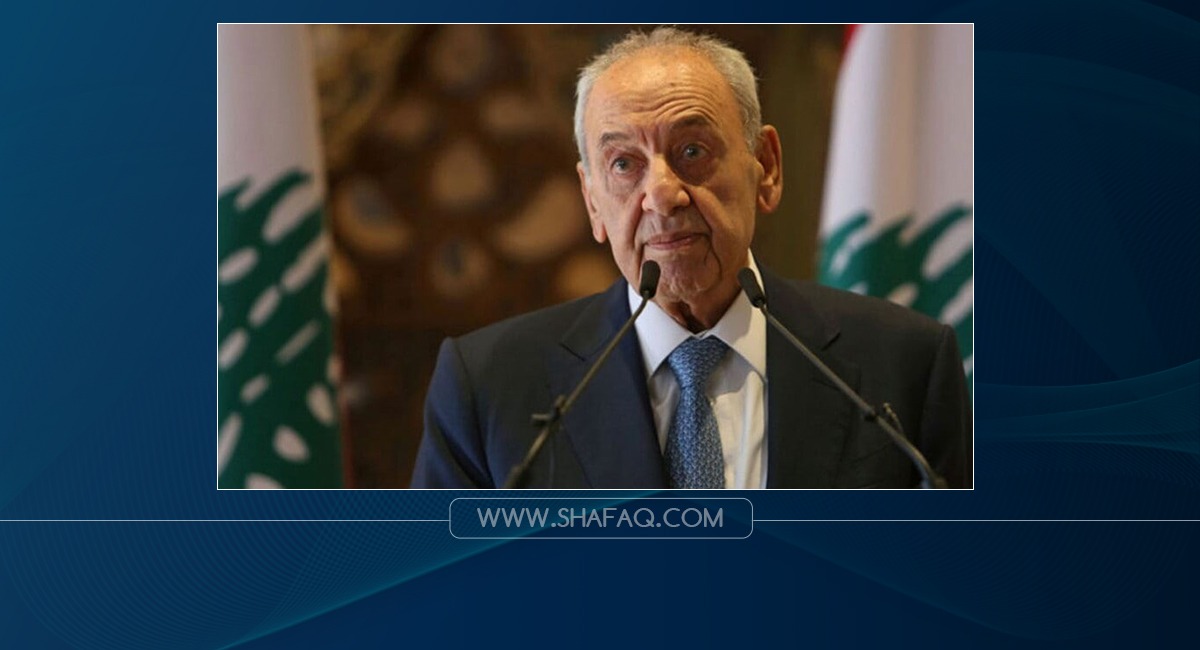
Lebanese Parliament Speaker Nabih Berri has firmly rejected any proposal for a buffer zone or security belt in southern Lebanon, asserting that Israel's objectives extend beyond specific groups. Berri stated that the conflict demands a unified national approach transcending sectarian divisions. He argued that "Israel’s objective was not Hezbollah, Amal, or the Shiite community alone, but Lebanon’s internal security," indicating a broader threat to the nation as a whole. His remarks show a clear and consistent opposition to any Israeli-imposed security arrangements within Lebanese territory. Berri renewed his long-standing opposition to negotiations with Israel under fire, emphasizing that such conditions are not conducive to fair or productive discussions.
Talks Conclude Amid Stalled Progress
The seventh round of US-brokered talks between Lebanon and Israel concluded in Rome on August 6. Lebanese media reported no tangible progress on key issues, including pilot zones, during the discussions. The conclusion of this round follows earlier statements by Lebanese Parliament Speaker Nabih Berri, who has consistently rejected negotiations under pressure, particularly concerning any proposed Israeli security zone within Lebanese territory. Berri has maintained that Israel's objectives in the ongoing conflict extend beyond specific groups, encompassing Lebanon's broader internal security. The lack of reported advancement in Rome suggests continued deadlock on contentious points between the two nations, noting the deep divisions that persist.
Berri's Stance on Security
Lebanese Parliament Speaker Nabih Berri reiterated his long-standing opposition to any negotiations with Israel while hostilities continue. Berri has consistently maintained that talks under duress are unacceptable, reflecting Lebanon's position against engaging in discussions amidst ongoing conflict. This stance comes as proposals for security arrangements in the region continue to be a point of contention. One such proposal stipulates that Israel would be permitted to maintain forces within a designated security zone until it unilaterally determines that the threat posed by Hezbollah has been entirely eliminated. Such a condition shows the significant disagreement between the parties regarding future security arrangements and the presence of foreign forces on Lebanese soil, which Lebanon views as a violation of its sovereignty.
Broader Context and Framework
The current discussions are being held within a US-brokered framework that was agreed upon on June 26. This full framework outlines several key provisions intended to address long-standing security concerns between Lebanon and Israel. It includes stipulations for the deployment of the Lebanese Army to the border regions, a critical step towards asserting state control and stability. Additionally, the framework provides for the disarmament of Hezbollah, an Iranian-backed militant group and political party, a central demand in regional security discussions. The agreement details a phased withdrawal of Israeli forces from Lebanese territory, aiming to restore full Lebanese sovereignty over its land. This framework aims to establish a structured approach to resolving these complex and long-standing security concerns, providing a basis for potential future negotiations should the conditions allow.
Berri's National Approach
Discussions continued over border arrangements, including the deployment of the Lebanese Army to border areas. Verification mechanisms for these arrangements were also addressed, noting the need for strong monitoring to ensure compliance. Other key topics included the exchange of detainees, a humanitarian issue often central to peace processes, and the broader framework for future security arrangements between Lebanon and Israel. Speaker Berri's emphasis on a unified national approach shows his belief that Lebanon's security challenges require a cohesive internal front rather than fragmented responses. His rejection of a security belt or buffer zone in southern Lebanon, coupled with his insistence on national unity, reflects a deep-seated concern for Lebanese sovereignty and territorial integrity in the face of ongoing regional tensions.