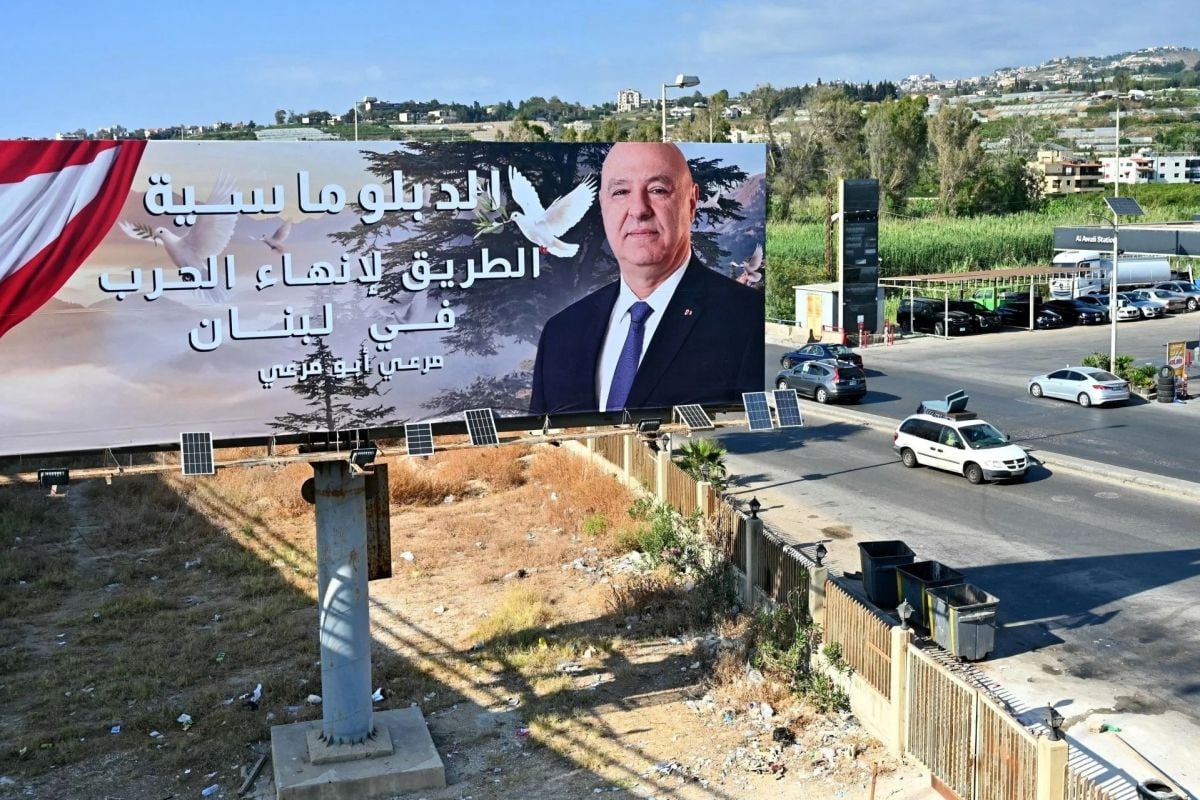
Lebanese President Joseph Aoun met with Greek President Konstantinos Tasoulas in Athens on Monday, August 31, 2026, where he requested Greece's assistance in ensuring the implementation of an agreement with Israel. During their meeting, President Aoun emphasized Lebanon's commitment to resolving long-standing issues through diplomacy. "The goal of negotiations with Israel is to put an end to the state of hostility," Aoun stated. This objective shows a significant shift in regional dynamics, as Lebanon seeks to transition from a prolonged period of conflict to a more stable future. He further articulated that "Lebanon’s stability is essential to the stability of the region and Europe, and any turmoil in Lebanon would have broad negative repercussions." Aoun stressed that "Lebanon and its people are tired of wars ... It is time for Lebanon to have respite, and we are determined to put an end to the state of hostility. The solution lies in diplomacy, not war." This sentiment notes the profound impact of past conflicts on the Lebanese populace and the urgent need for a peaceful resolution. He added, "We have now determined that the only possible solution is to address both problems simultaneously, concurrently and in parallel: a complete withdrawal of the occupying forces, and full control by our armed forces alone over all of our territory." This full approach outlines Lebanon's dual demands for Israeli withdrawal and full sovereignty over its territory.
Framework Agreement Goals
The Lebanon-Israel framework agreement was signed in June under U.S. Auspices. The involvement of the United States as a mediator shows the international significance of the agreement and the efforts to foster stability in the Eastern Mediterranean. President Joseph Aoun stated that the goal of these negotiations with Israel is "to put an end to the state of hostility." This declaration signals Lebanon's official commitment to moving beyond the current state of animosity. The ultimate objective of the framework agreement is for Israel to withdraw from southern Lebanon in exchange for Hezbollah's disarmament. This dual objective forms the core of the diplomatic efforts, aiming to address both external and internal security concerns.
President Aoun emphasized the desire for peace, stating, "Lebanon and its people are tired of wars ... It is time for Lebanon to have respite, and we are determined to put an end to the state of hostility. The solution lies in diplomacy, not war." This powerful statement reflects the collective weariness of the Lebanese population after decades of conflict and instability. He further elaborated on Lebanon's approach to the situation. Aoun said, "We have now determined that the only possible solution is to address both problems simultaneously, concurrently and in parallel: a complete withdrawal of the occupying forces, and full control by our armed forces alone over all of our territory." This detailed strategy shows Lebanon's insistence on a holistic resolution that ensures its territorial integrity and sovereignty.
The Lebanese Army is responsible for disarmament efforts in the "pilot zones" agreed upon within the framework. This critical role places the national army at the forefront of implementing the agreement's security provisions. The establishment of these zones is a key step towards achieving the broader disarmament goals. The first three zones, which included two villages not occupied by Israel, were announced in July 2026. The selection of these initial zones indicates a phased approach to the disarmament process, beginning with less contentious areas.
Stalled Negotiations and Escalation Fears
The last round of direct negotiations between Lebanon and Israel occurred in August 2026 in Rome. These discussions failed to yield progress on the establishment of future pilot zones or a cessation of Israeli attacks on Lebanese territory. The lack of breakthroughs in these key areas has raised concerns about the viability of the ongoing peace process. As of now, no date has been set for the next round of talks between the two parties. This indefinite postponement further notes the challenges facing the diplomatic efforts.
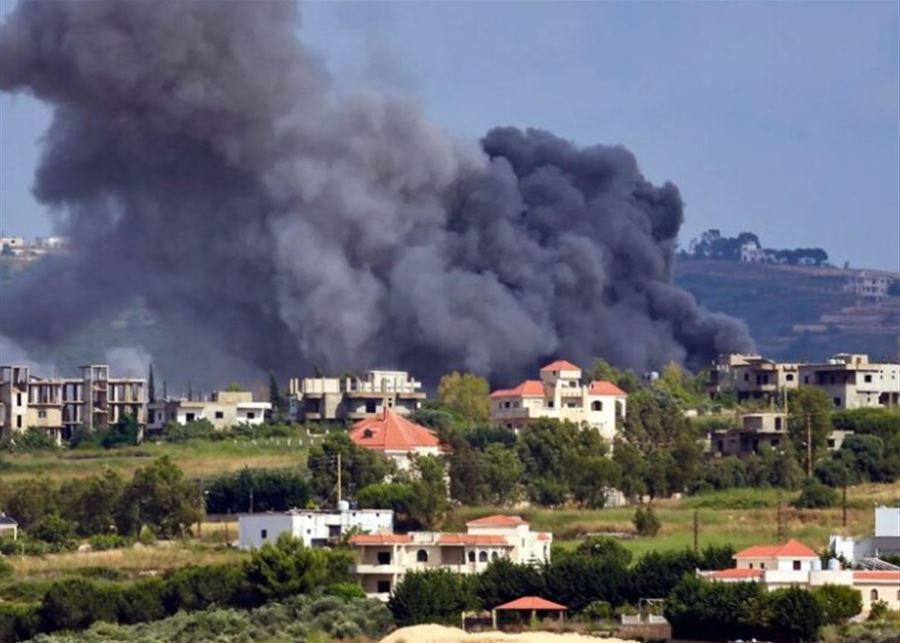
Negotiations have reportedly stalled over disagreements regarding which countries would participate in an international force. This force would be tasked with overseeing the disarmament process outlined in the framework agreement. The composition and mandate of such a force are critical for ensuring impartiality and effectiveness in monitoring the agreement. Amidst these stalled talks, the Israeli army's demolitions and attacks have intensified across southern Lebanon. This escalation of military activities by the Israeli army creates a tense atmosphere and complicates efforts to de-escalate the conflict.
Fears of further escalation in the region are reportedly on the rise. The increased military activity and the lack of diplomatic progress contribute to a volatile environment. Israel is awaiting a green light from the United States to launch an an offensive against the strategic hills of Ali Taher, according to reports. This potential offensive could significantly worsen the security situation and undermine any prospects for a peaceful resolution. Such a move would represent a major escalation in the ongoing tensions.
Regional Stability and Greek Support
Lebanese President Joseph Aoun asserted that Lebanon's stability remains critical for the wider region and Europe. President Aoun stated, "Lebanon’s stability is essential to the stability of the region and Europe, and any turmoil in Lebanon would have broad negative repercussions." This statement emphasizes the interconnectedness of regional security and the potential for a localized conflict to have broad consequences. Lebanese officials have privately conveyed concerns regarding potential negative repercussions for European countries if a conflict were to erupt in Lebanon, specifically citing the possibility of a significant influx of refugees. This concern notes the humanitarian dimension of any potential escalation and the burden it could place on European nations.
The Lebanese Army recently announced the reception of a second batch of Greek military aid on August 29, 2026. This assistance from Greece included 13 M113 armored personnel carriers and 10 trucks, which are intended to bolster Lebanon's defensive capabilities. The M113 armored personnel carriers are versatile vehicles used for troop transport and various combat support roles, while the trucks provide essential logistical support for military operations. The delivery shows ongoing cooperation between the two nations, particularly in the context of Lebanon's security challenges. Greek support comes as Lebanon seeks to stabilize its borders and implement the framework agreement with Israel. The military aid is expected to strengthen the Lebanese Armed Forces' capacity to maintain internal security and control its territory, a key component of the proposed peace framework. This support is key for the Lebanese Army to effectively carry out its responsibilities, including disarmament efforts in the designated pilot zones. President Aoun looks forward to Greece's continued support for the Lebanese Army as it undertakes these vital tasks.
Diplomatic Path Forward
President Joseph Aoun also met with Greek Prime Minister Kyriakos Mitsotakis during his visit to Athens. This high-level meeting further solidified the diplomatic ties between Lebanon and Greece and provided another platform for discussions on regional stability. During their discussions, President Aoun affirmed his commitment to developing relations between Lebanon and Greece across various sectors. This commitment signals a desire for broader cooperation beyond military aid, potentially encompassing economic, cultural, and political exchanges. Aoun expressed gratitude to Greece for its ongoing assistance, stating, "warm reception and its continued support for Lebanon politically, humanitarianly and militarily." This acknowledgment notes the multifaceted nature of Greek support, which extends beyond military provisions to include diplomatic and humanitarian aid. The Lebanese President further indicated his anticipation of Greece's sustained support for the Lebanese Army, particularly as Lebanon seeks to implement the framework agreement with Israel. This continued backing is seen as vital for the successful execution of the peace process and the strengthening of Lebanon's security apparatus.
President Aoun showed Lebanon's commitment to diplomatic solutions. He previously stated, "the goal of negotiations with Israel is to put an end to the state of hostility." This consistent message reinforces Lebanon's strategic objective in the ongoing talks. He also emphasized the broader implications of regional stability, noting, "Lebanon’s stability is essential to the stability of the region and Europe, and any turmoil in Lebanon would have broad negative repercussions." This perspective notes the interconnectedness of security interests across the Mediterranean. Noting the desire for peace, Aoun remarked, "Lebanon and its people are tired of wars ... It is time for Lebanon to have respite, and we are determined to put an end to the state of hostility. The solution lies in diplomacy, not war." This impassioned plea for peace resonates with the experiences of a nation long affected by conflict. He further outlined Lebanon's approach, stating, "We have now determined that the only possible solution is to address both problems simultaneously, concurrently and in parallel: a complete withdrawal of the occupying forces, and full control by our armed forces alone over all of our territory." This full and integrated strategy represents Lebanon's firm stance on achieving lasting peace and full sovereignty.