Lebanese President Joseph Aoun stated Monday that Lebanon's stability is key for Europe, emphasizing the pressing need for diplomacy over military solutions in the volatile region. Speaking in Athens, President Aoun declared, "the stability of the region and Lebanon is essential to the stability of Greece and Europe," warning that continued instability could lead to "negative repercussions across the region" that would inevitably impact European security. He also asserted that "the June 26 framework accord between Lebanon and Israel cannot be implemented by one side alone and must be honored by both parties 'in full and without selectivity'." This call for balanced adherence shows the complexities of regional peace efforts. President Aoun urged the international community "to provide as much assistance as possible" to facilitate a lasting resolution, adding, "Solving the problem through military force has not worked and will not work... The best way to address the problems we face is through diplomacy." His statements noted a strong preference for peaceful negotiation over armed conflict. He concluded his remarks by emphasizing Lebanon's commitment to peace, stating, "We are advocates of peace and are determined to end the state of hostility with Israel and build the best possible relations with our neighbors," describing the Eastern Mediterranean as "a sea that unites people and ...has no room for extremism."
Diplomacy Over Force
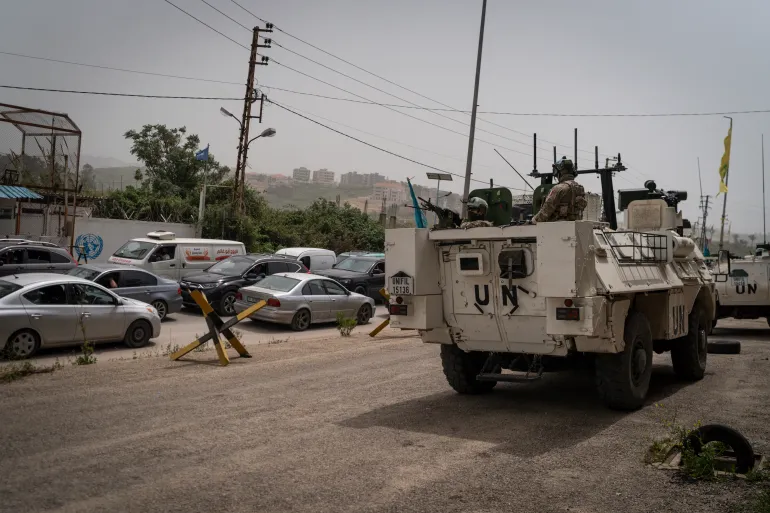
President Joseph Aoun called for the full and unbiased implementation of the U.S.-brokered framework agreement, reached last June, which aimed to end the conflict between Israel and Hezbollah. He specifically emphasized that the accord must be honored "without selectivity" by all parties involved. Aoun also advocated for maintaining a vital United Nations role in southern Lebanon, where the UN Interim Force in Lebanon (UNIFIL) has been deployed to monitor the cessation of hostilities. This ongoing UN presence, he suggested, is critical for regional stability.
The Lebanese President's remarks come as the region faces significant and escalating casualties. According to Lebanon's Health Ministry, Israel's campaign since last March has resulted in 4,352 people killed and 12,318 wounded, painting a grim picture of the human cost. These figures show the severe humanitarian impact of ongoing tensions in the area and the urgency of de-escalation. Aoun's call for diplomatic solutions and strict adherence to existing agreements reflects a broader appeal for stability amid the continuing violence that has plagued the border region.
Greek Support for Lebanon
President Joseph Aoun made these significant statements during separate meetings with Greek President Konstantinos Tasoulas and Prime Minister Kyriakos Mitsotakis in Athens. During these high-level discussions, the leaders addressed the critical need for a continued United Nations role in southern Lebanon, particularly following the scheduled departure of the U.N. Peacekeeping force, UNIFIL, at the end of December. The potential vacuum left by UNIFIL's withdrawal was a key concern.
Greek Prime Minister Kyriakos Mitsotakis affirmed his country's unwavering commitment to regional cooperation, stating, "Greece believes in energy bridges and joint infrastructure projects that bring not only the countries of the region closer together, but also the Eastern Mediterranean as a whole closer to Europe." This vision notes a strategy for fostering interdependence and stability through shared economic interests. Mitsotakis also pledged that Greece would utilize its upcoming presidency of the European Union, beginning in January 2027, to consolidate and deepen relations between Lebanon and the EU, signaling a long-term commitment to bilateral ties.
Greece further expressed its readiness to support full efforts towards de-escalation in the region, contribute actively to Lebanon's reconstruction, provide essential humanitarian assistance, and offer greater aid to the Lebanese Army. This multi-faceted support demonstrates Greece's dedication to assisting Lebanon in overcoming its current challenges and rebuilding its infrastructure.
Regional Stability Concerns
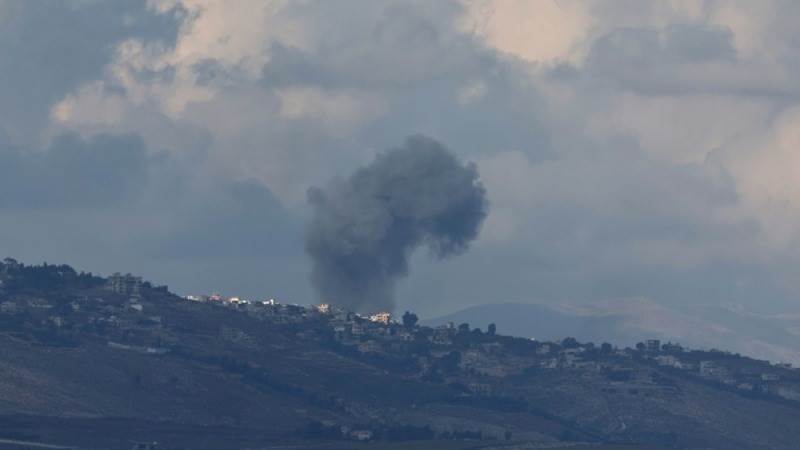
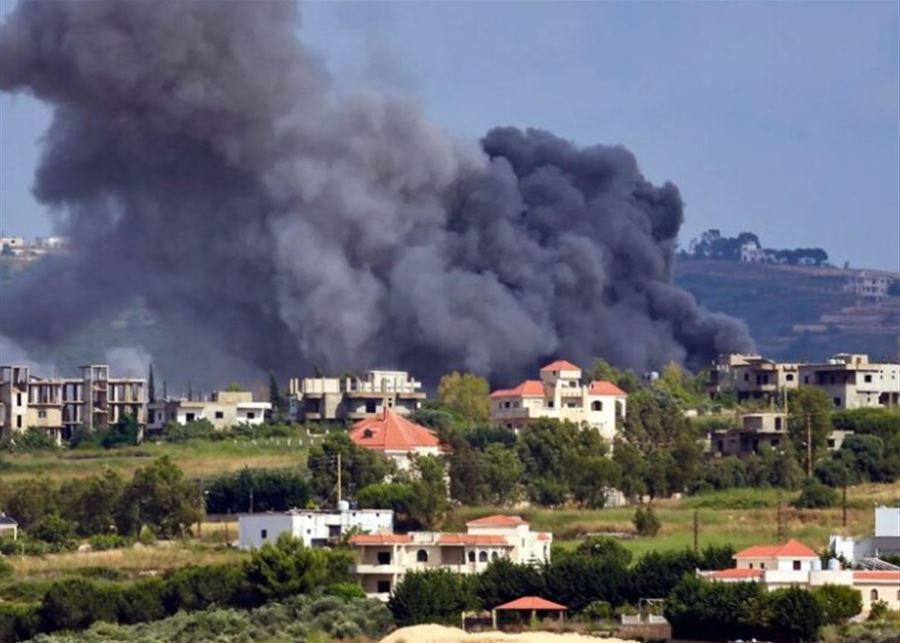
The Israel-Hezbollah war began on October 8, 2023, following Hezbollah's decision to open a support front for Gaza, with a significant escalation occurring on March 2. The ongoing conflict has resulted in widespread casualties and destruction across the border areas. Since October 8, 2023, Israel's military campaign has killed 8,915 people and wounded 30,543, according to various reports. The fighting has also severely impacted civilian infrastructure and communities in southern Lebanon. Approximately 70 border villages in the region have been reduced to rubble and rendered uninhabitable due to the sustained hostilities. The extensive damage notes the devastating humanitarian cost of the protracted conflict and the urgent need for a cessation of violence. The destruction of these communities has displaced thousands and created a profound humanitarian crisis, further showing the necessity of diplomatic solutions advocated by President Aoun.