Visual artist Lina Jouni has been collecting shrapnel fragments from the rubble of destroyed homes in Roumin, southern Lebanon, since 2024. She repurposes these remnants of conflict to create sculptures, keychains, and decorative objects.
Lina Jouni described the transformation of these dangerous materials as a personal act of defiance. "The horrible material that was meant to kill or hurt me, inside or around my home, I turned into something beautiful," she said. She added that she works with the debris "just to spite it."
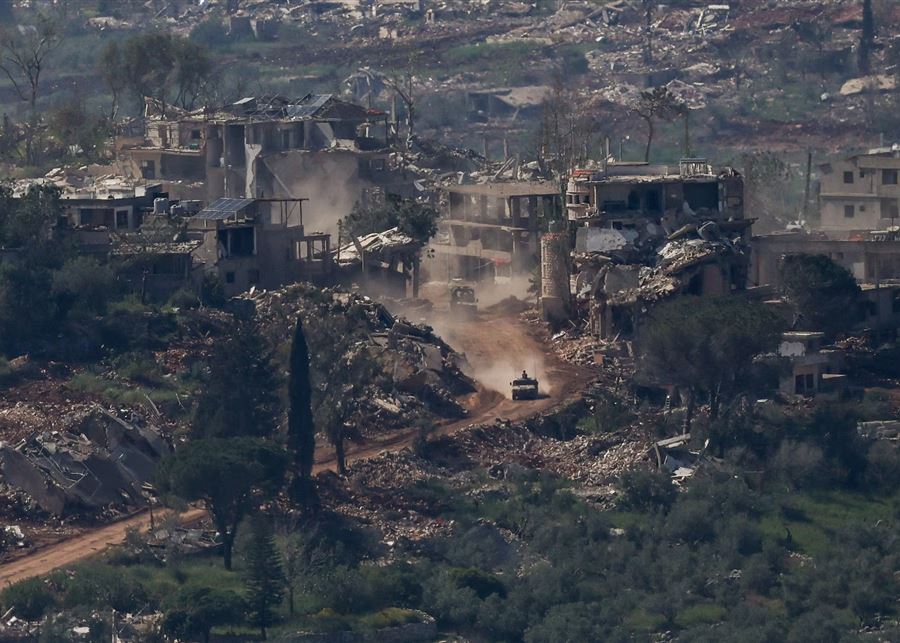
The process begins in the aftermath of local destruction within the village of Roumin. Lina Jouni systematically gathers the jagged metal fragments that remain scattered among the ruins of residential buildings. These pieces of shrapnel, often sharp and unstable, are recovered from the sites where homes once stood. By focusing her efforts on these specific locations, she ensures that the raw materials for her work are sourced directly from the environments impacted by the ongoing conflict.
Once the shrapnel is collected, Lina Jouni initiates a labor-intensive process of cleaning and shaping the metal. She utilizes specialized tools to refine the fragments, transforming them into sculptures, keychains, and decorative objects. The act of repurposing these items requires careful handling, as the metal remnants carry the history of the events that caused the structural damage in Roumin. Each finished sculpture, keychain, or decorative object serves as a physical record of the debris she has salvaged.
Lina Jouni views her creative process as a means of reclaiming her surroundings. By removing the debris from the landscape and converting it into art, she changes the function of the metal. What was once a source of danger or destruction is integrated into the creation of sculptures, keychains, and decorative objects that are intended for display or utility. This transition from a weaponized fragment to a crafted item is central to her current body of work.
The sculptures, keychains, and decorative objects created by Lina Jouni serve as a tangible representation of her experience in southern Lebanon. Her work notes the physical presence of conflict through the transformation of discarded metal. The sculptures take on various forms, while the keychains and decorative objects are designed to be accessible, everyday items. By producing these specific categories of objects, Lina Jouni ensures that the remnants of the conflict in Roumin are permanently altered.
Since beginning this practice in 2024, Lina Jouni has dedicated her time to the search for these materials. The rubble of destroyed homes provides a consistent supply of metal, which she then processes into her art. Her commitment to this project remains focused on the specific materials found within the village. As she continues to collect shrapnel, she maintains her focus on the creation of sculptures, keychains, and decorative objects, ensuring that each piece of debris is repurposed rather than left in the ruins. The resulting collection of sculptures, keychains, and decorative objects stands as a testament to her ongoing efforts to reshape the remnants of her environment.