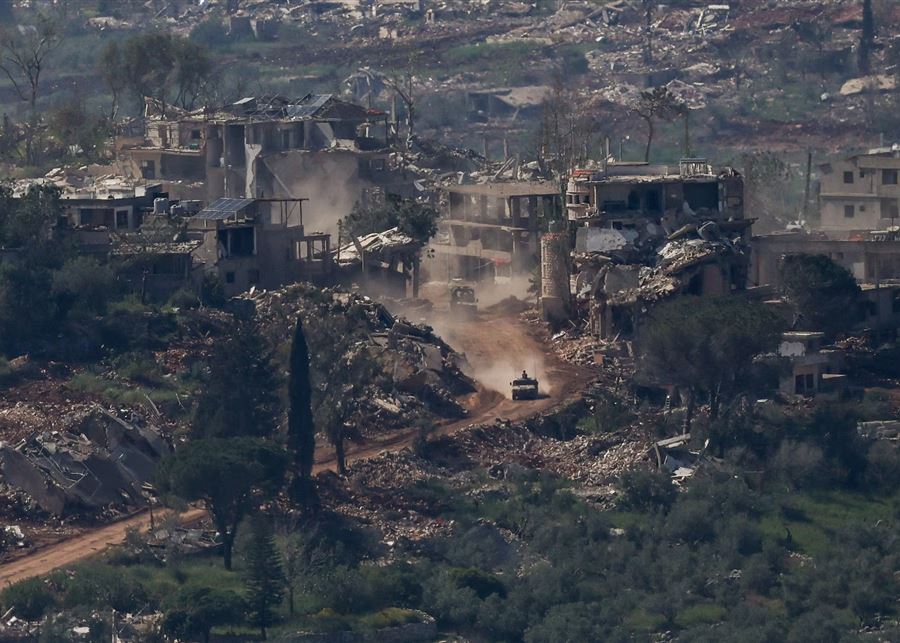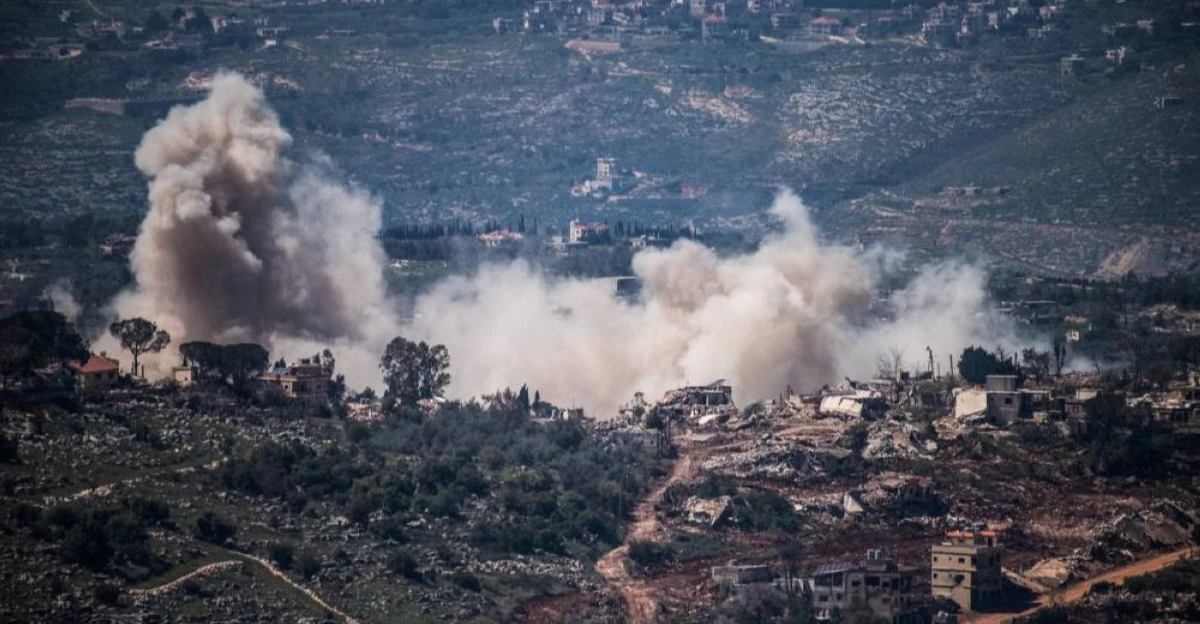
Israeli forces carried out airstrikes, artillery attacks, and explosions across several districts of southern Lebanon on 25 October. These military operations occurred shortly after US-mediated military and technical talks between Lebanon and Israel concluded in Tampa, Florida. Officials conducted those discussions on 20 October and 21 October to address security concerns along the border. The strikes targeted multiple areas, resuming active combat in the region following the conclusion of the diplomatic sessions held in the United States. The resumption of hostilities marks a shift in the operational status of forces on the ground following the conclusion of the high-level meetings.
Framework for Diplomatic Resolution
Diplomatic discussions held in Tampa, Florida, centered on the implementation of a 26 June framework agreement. This proposal outlines a process involving the withdrawal of Israeli forces from southern Lebanon, the deployment of the Lebanese army to the border area, and the disarmament of non-state groups operating within the region. The technical talks were designed to establish a pathway for these specific security measures to take effect across the southern districts. By focusing on the 26 June framework agreement, representatives from Lebanon and Israel sought to formalize a timeline for the withdrawal of Israeli forces and the subsequent movement of the Lebanese army into the border zones. The discussions addressed the logistical requirements necessary to ensure the disarmament of non-state groups currently present in the area.
The security situation in southern Lebanon remains a primary concern for officials involved in the diplomatic process. The transition from the negotiating table in Tampa, Florida, back to active military engagement notes the complexity of the security environment. The 26 June framework agreement serves as the primary point of reference for all parties involved in the current US-mediated efforts.
Lebanon's Health Ministry documented the human toll of the ongoing hostilities in a report released on 12 October. Data from the ministry indicates that 4,389 people have been killed and 12,424 people have been injured since the fighting began on 2 March. The figures provided by the ministry represent the recorded casualties sustained throughout the conflict period. These statistics illustrate the sustained impact of the military operations on the civilian population and the medical infrastructure within the country.
Wider population movements have also occurred as a direct result of the conflict. More than one million people have been displaced from their homes since the start of the current period of instability. This mass displacement has altered the demographic distribution across southern Lebanon and surrounding regions. The logistical challenge of managing these populations remains a significant component of the broader crisis, as individuals continue to move away from areas affected by the recent airstrikes and artillery fire. The 25 October operations have added further pressure to the humanitarian situation, as the displacement figures continue to reflect the persistent nature of the hostilities that began on 2 March.