Israel transferred prisoner Malek Kamal Ghazi to the Lebanese army via the Red Cross on Thursday, in a diplomatic gesture aimed at the Lebanese government. The move comes amidst ongoing negotiations between the two countries, showing a concerted effort to de-escalate tensions and foster dialogue. Israel had previously guaranteed the release of five prisoners on Thursday as part of these discussions, a commitment that signals progress in the sensitive diplomatic process. This particular transfer represents a tangible step in the complex, long-running discussions between the two nations, which have been ongoing for some time.
Prisoner Transfer Details
Malek Kamal Ghazi is currently undergoing medication examinations following his transfer. The examinations are a standard procedure after a prisoner is handed over, ensuring their well-being and documenting their condition upon arrival. His transfer from Israel to the Lebanese army was facilitated by the Red Cross on Thursday, an international humanitarian organization often involved in such sensitive exchanges. This action aligns with diplomatic discussions between Israel and Lebanon, during which Israel had previously committed to releasing five prisoners. The process of the transfer and subsequent medical checks shows the ongoing, sensitive nature of prisoner exchanges between the two nations, which are frequently a key component of broader peace initiatives. Further details regarding the status of the other four prisoners expected to be released as part of the diplomatic talks have not yet been made public, leaving their situation as a focal point for future updates. The guaranteed release of these five individuals has been a consistent element of the negotiations since their inception.
Broader Diplomatic Context
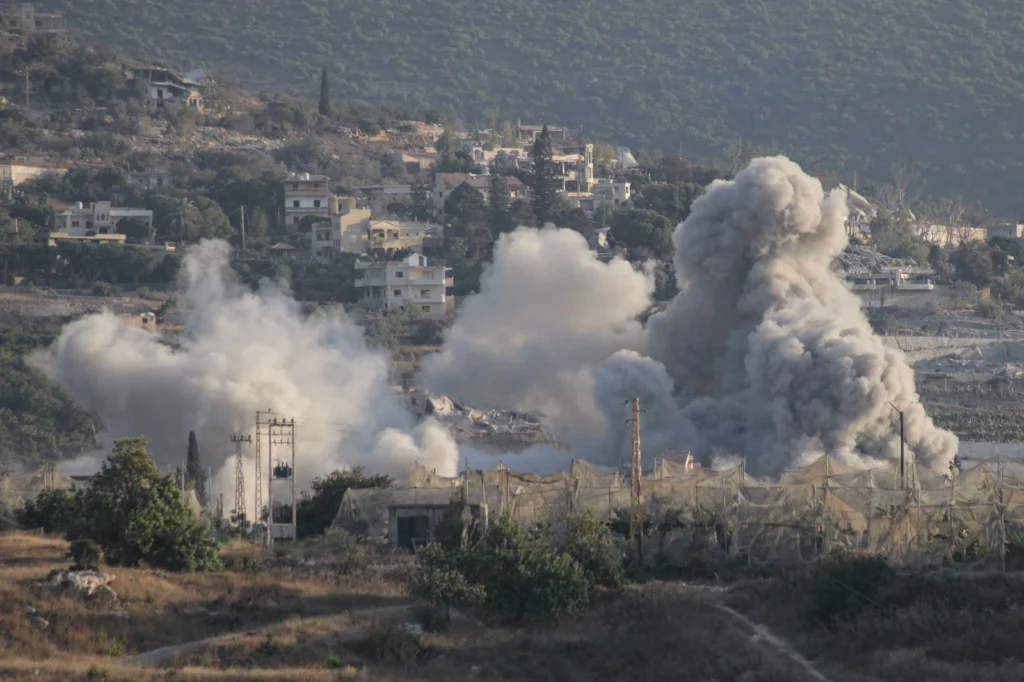
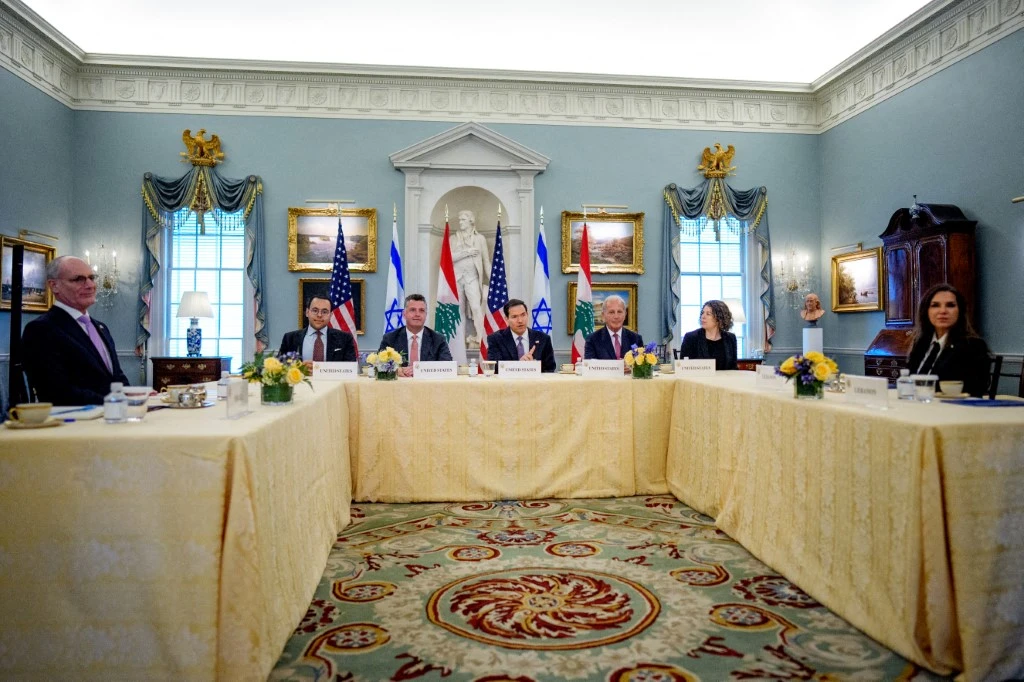
A new round of talks between Israel and Lebanon is scheduled to take place in Rome this month, indicating continued engagement at a high diplomatic level. The United States has been sponsoring discussions between the two nations, aiming to put an end to hostilities between them and contribute to regional stability. Beirut is seeking Israel's phased withdrawal from southern Lebanon as part of these ongoing diplomatic efforts, a key demand from the Lebanese side. In June, Israel and Lebanon agreed to a framework deal designed to address long-standing issues and provide a roadmap for future relations. The framework deal includes provisions for the disarmament of Hezbollah, a significant and often contentious point in discussions regarding Lebanon's internal and external security. It also outlines a gradual withdrawal of Israeli forces from Lebanon’s south, addressing a long-standing territorial concern. Additionally, the agreement stipulates the deployment of the Lebanese army to the region, beginning with test areas referred to as “pilot zones,” which would mark a new phase of security arrangements.
Ongoing Negotiations
The release of five prisoners has been guaranteed since the commencement of negotiations, according to a political source quoted by Lebanon’s MTV channel. This source stated, "The release of five prisoners has been guaranteed since the start of negotiations," emphasizing the foundational nature of this agreement. The ongoing diplomatic efforts have included several rounds of discussions between the two nations, reflecting the sustained commitment to finding common ground. A seventh round of these talks took place in August, held in the Italian capital, demonstrating the consistent pace of these high-level meetings. These discussions continue as both sides engage in efforts to address various issues, including prisoner exchanges and broader de-escalation measures, with the ultimate goal of achieving a more stable and peaceful coexistence. The upcoming Rome talks are expected to build upon the progress made in previous rounds, seeking to solidify the framework deal and advance specific agreements.